
Last Updated on September 18, 2026 by Explore Vancouver
Best Time to Visit Vancouver: Quick Information
Vancouver is a city where the best time to visit depends on what you want to do. Summer brings the warmest and driest weather for beaches, seawall rides and patios. Spring brings cherry blossoms and blooming gardens. Fall brings colour in the parks and quieter trails, and winter brings mild city days with snow on the nearby mountains. Each season is worth visiting, and this guide shows what to expect so you can match your trip to your plans.
The short answer: visit from June to September for the most reliable weather. If you would rather have lighter crowds and softer prices, aim for late May, early June or the second half of September. Come in late March or April for cherry blossoms, and from December to March if snow sports and cozy winter events matter more than sunshine.
Best Time to Visit Vancouver at a Glance
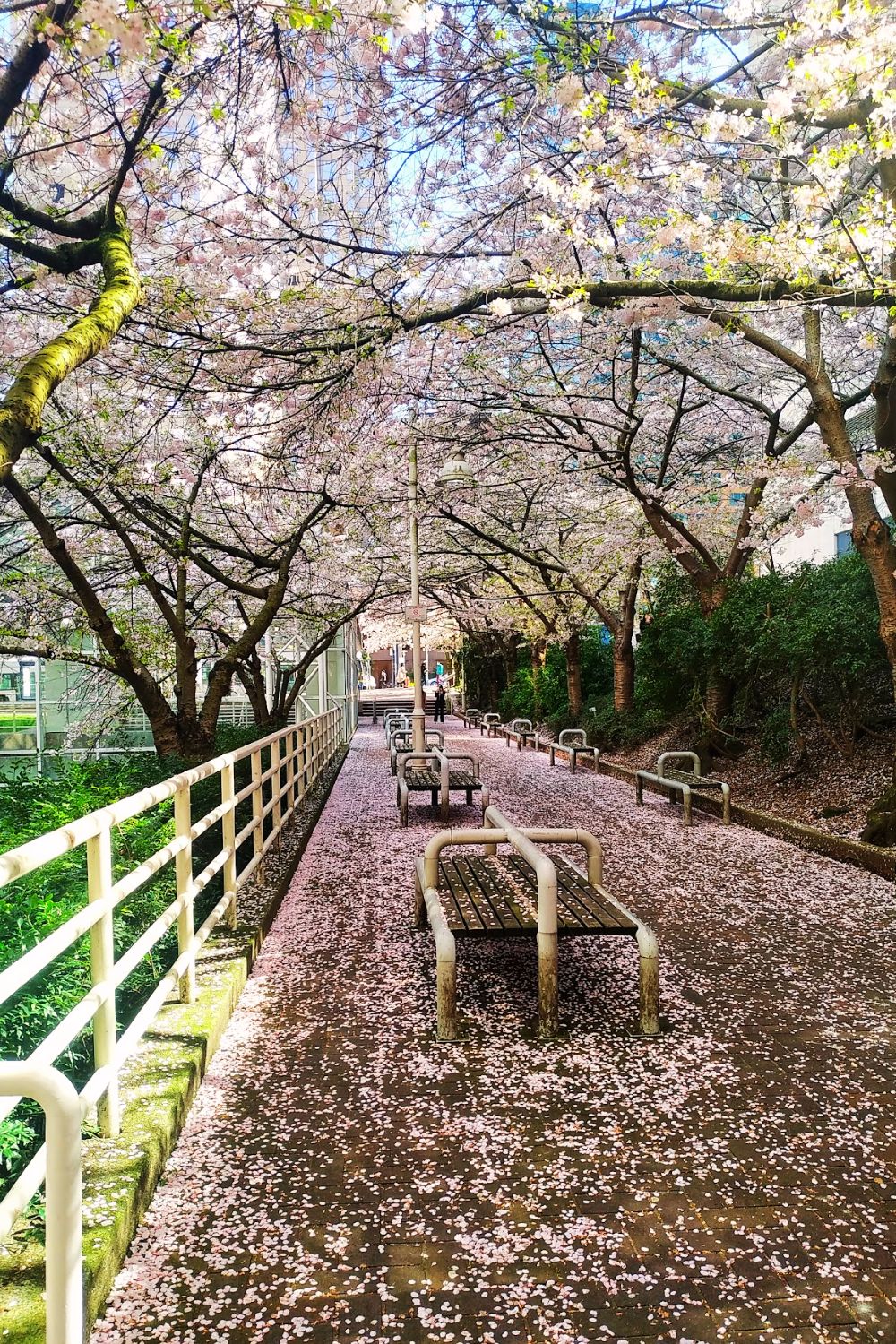
Spring
March to May
Blossoms, tulips and fresh green trails. Mild days, with showers still common in March and April.
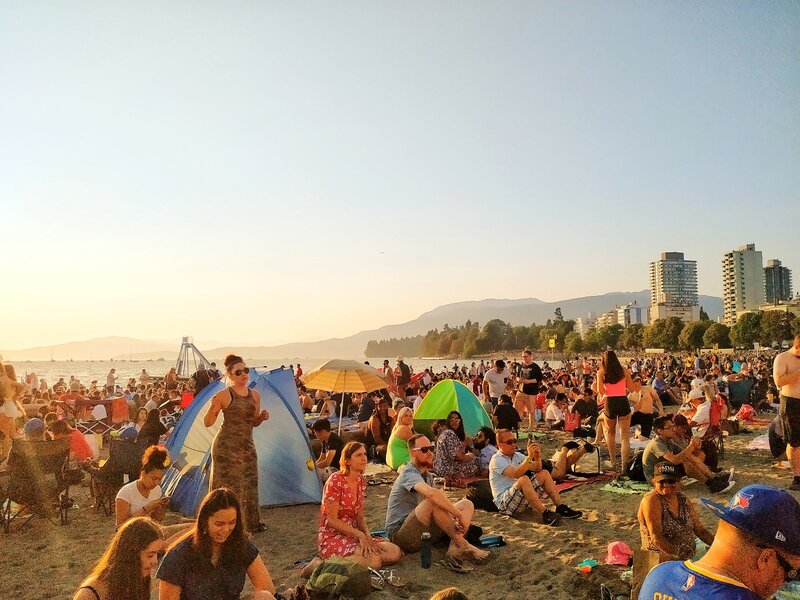
Summer
June to August
Warm, dry and bright, with long evenings. Peak season for visitors and for events.
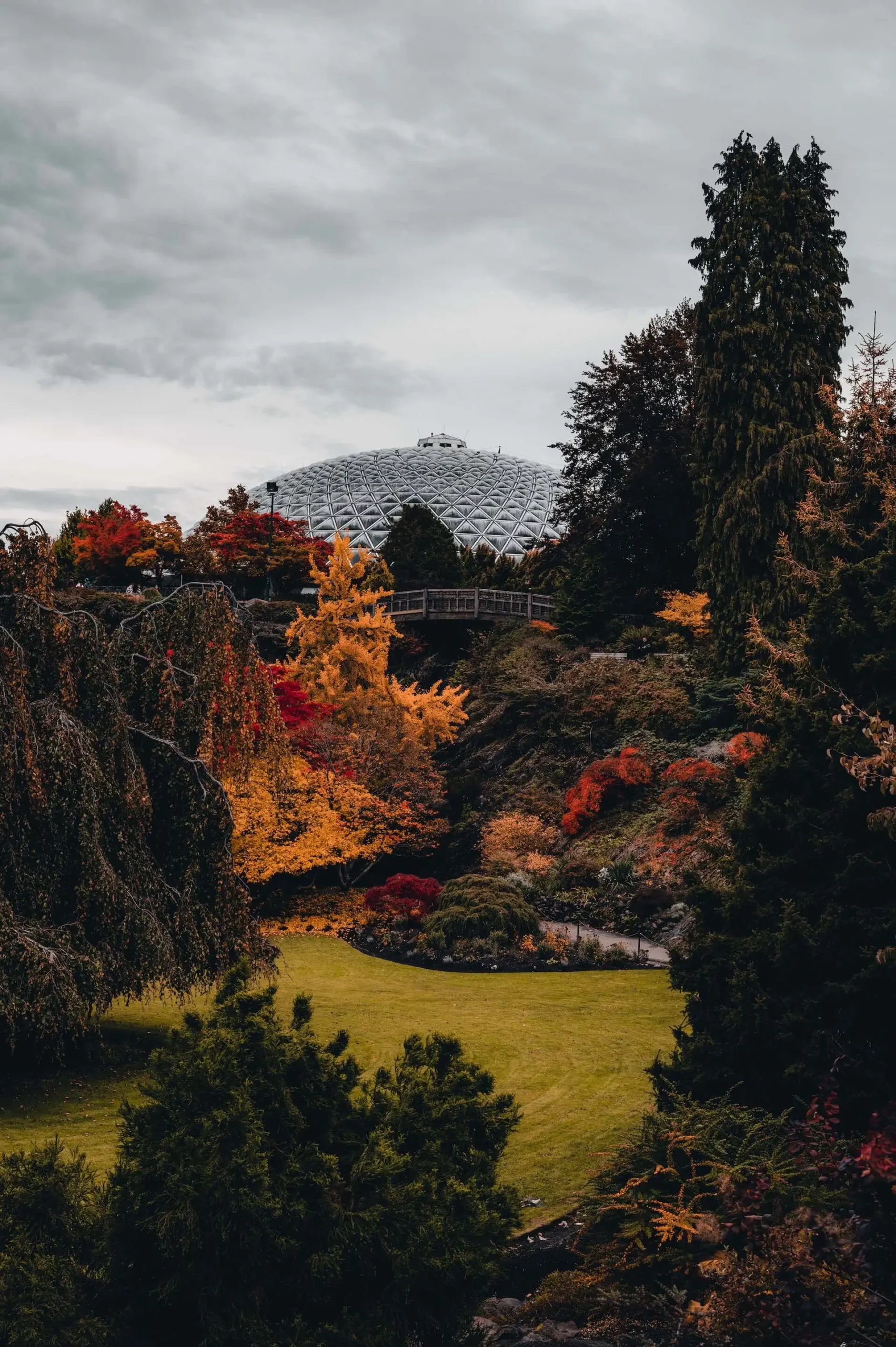
Fall
September to November
September stays pleasant, October brings colour, and November turns wet and moody.
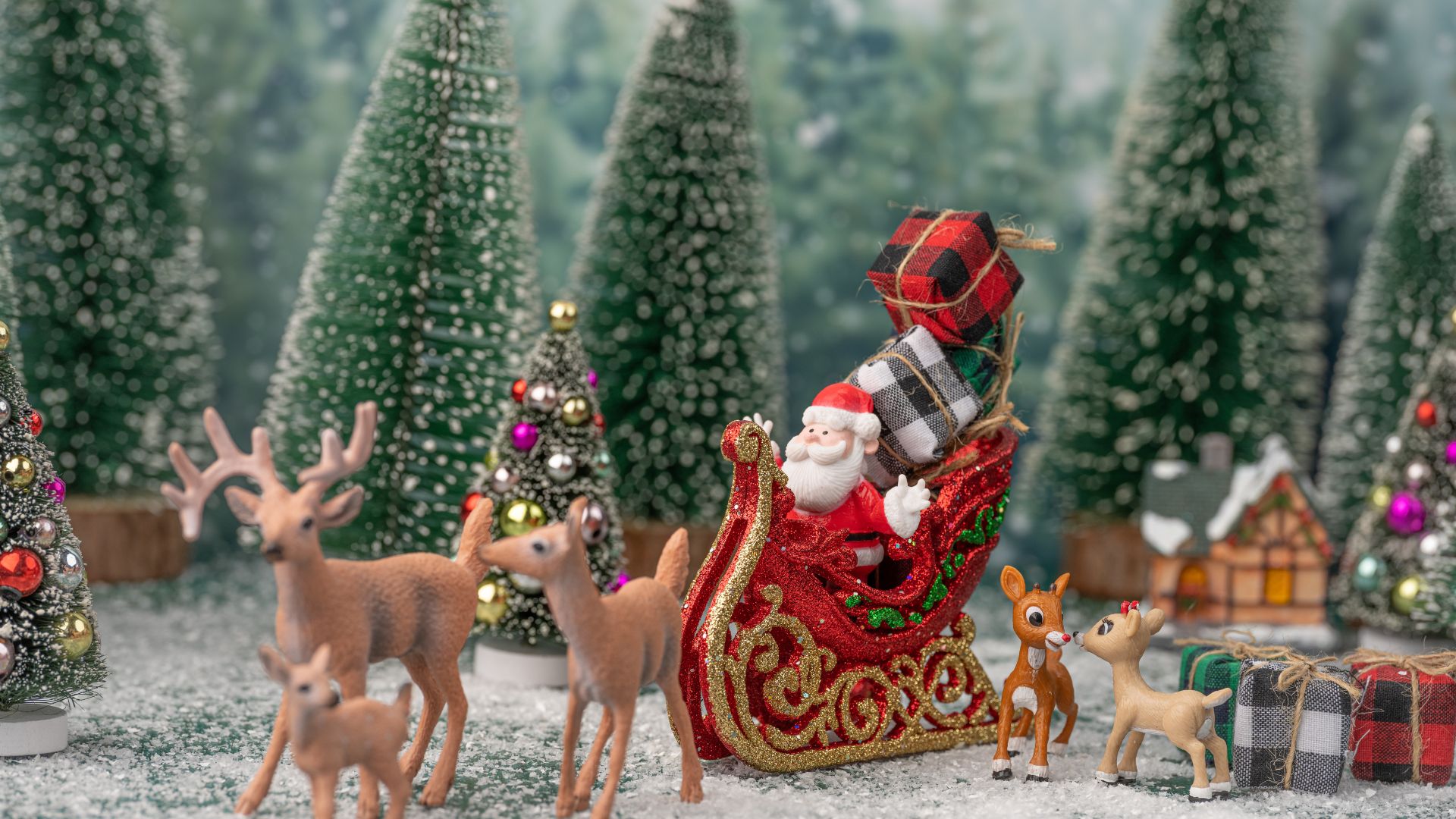
Winter
December to February
Cool and damp in town, snowy on the North Shore mountains, with holiday lights and markets.
Vancouver Weather by Month
These are approximate long-term averages for the city. Conditions vary from year to year, and the mountains are always colder than the waterfront.
| Month | Typical high / low | Rain | Crowds |
|---|---|---|---|
| January | 7 / 2 °C (45 / 36 °F) | High | Low |
| February | 8 / 2 °C (46 / 36 °F) | High | Low |
| March | 10 / 4 °C (50 / 39 °F) | Moderate | Low |
| April | 14 / 6 °C (57 / 43 °F) | Moderate | Moderate |
| May | 17 / 9 °C (63 / 48 °F) | Low to moderate | Moderate |
| June | 20 / 12 °C (68 / 54 °F) | Low | High |
| July | 23 / 14 °C (73 / 57 °F) | Very low | Peak |
| August | 23 / 14 °C (73 / 57 °F) | Very low | Peak |
| September | 19 / 11 °C (66 / 52 °F) | Low | High |
| October | 14 / 8 °C (57 / 46 °F) | Moderate to high | Moderate |
| November | 9 / 4 °C (48 / 39 °F) | High | Low |
| December | 6 / 2 °C (43 / 36 °F) | High | Moderate |
LowerMiddleHigher Applies to both the rain and crowds columns.
Month-by-Month Guides for Vancouver
Once you have a rough season in mind, open the guide for your travel month for current events and ideas. Highlighted cards link to a full monthly post.
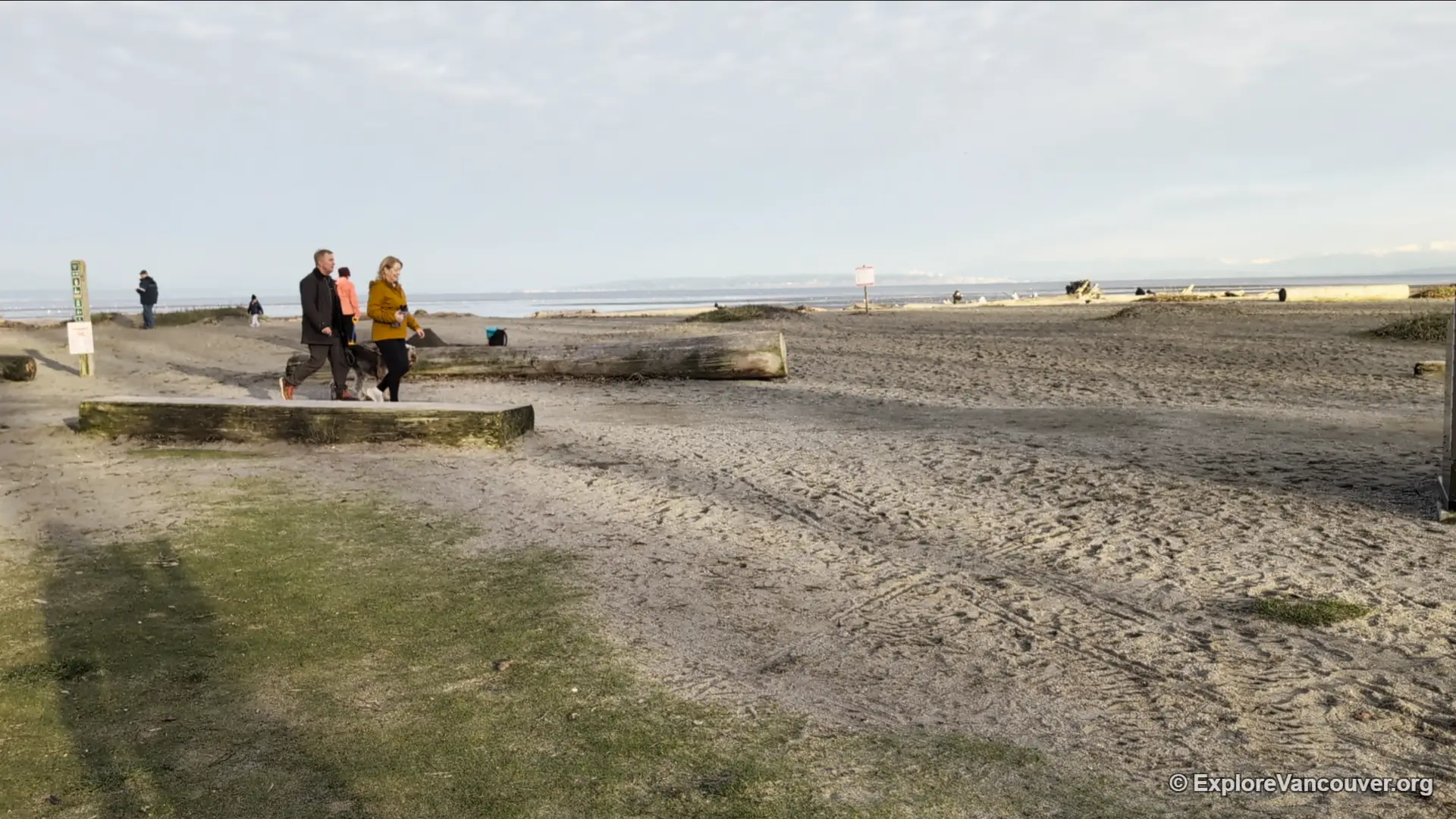
January
Quiet, mild and wet, with ski season underway.
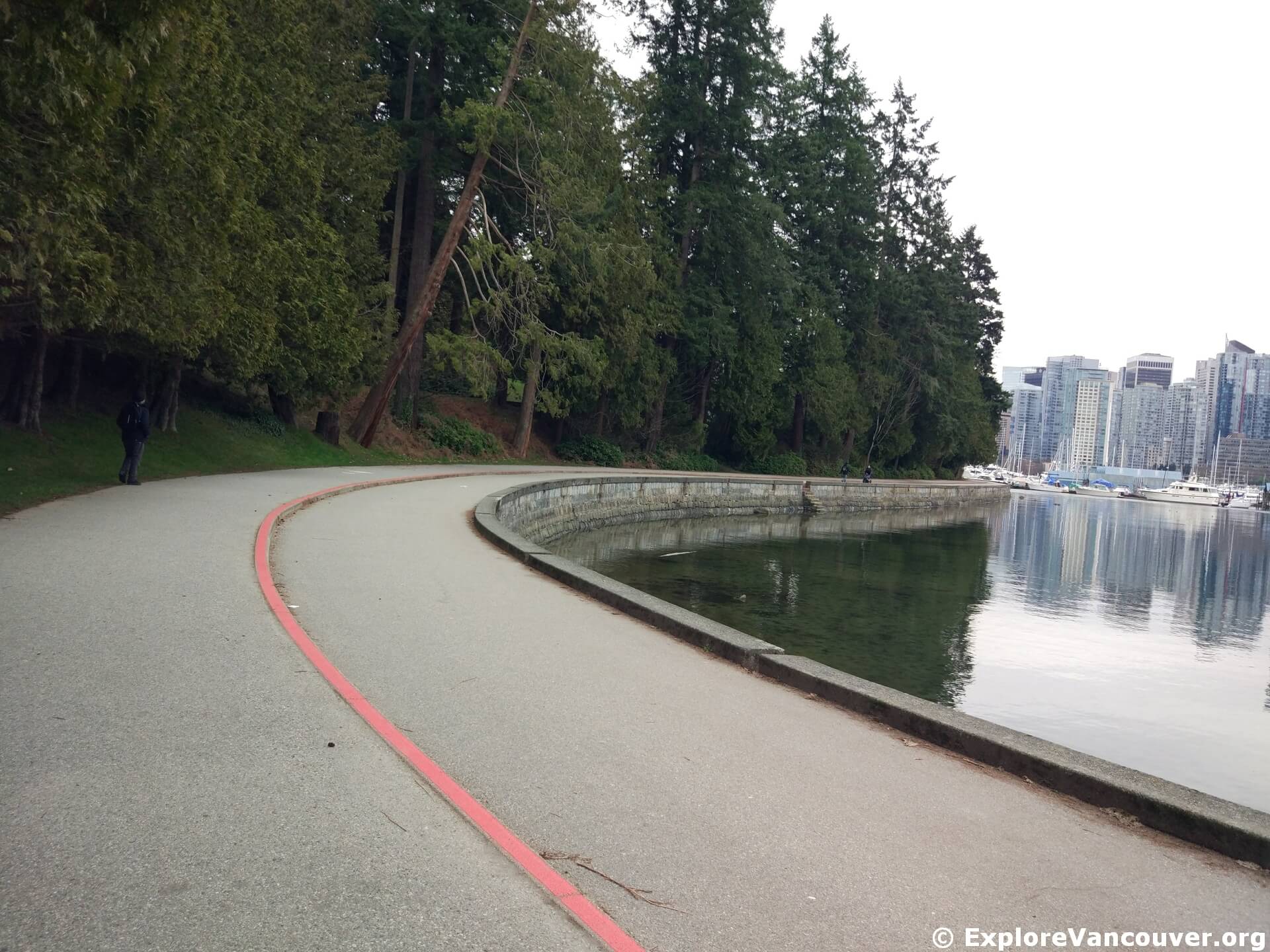
February
Low crowds, early blooms and snow on the mountains.
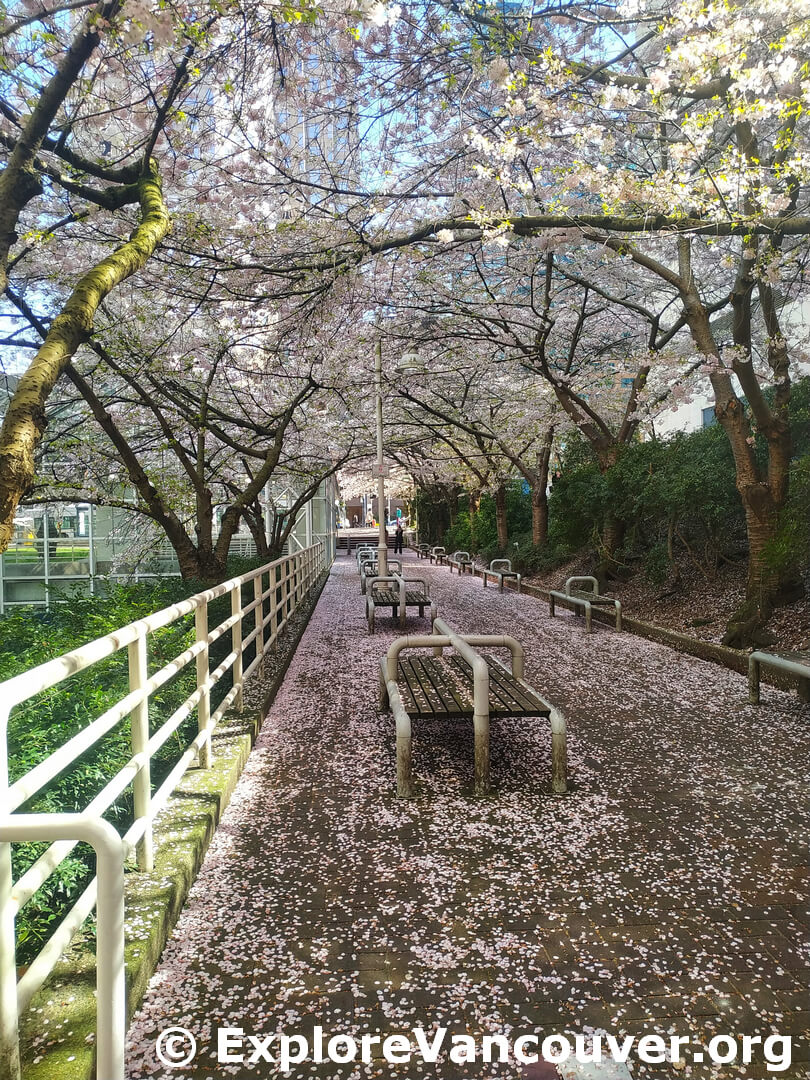
March
Cherry blossoms begin and days start to lengthen.
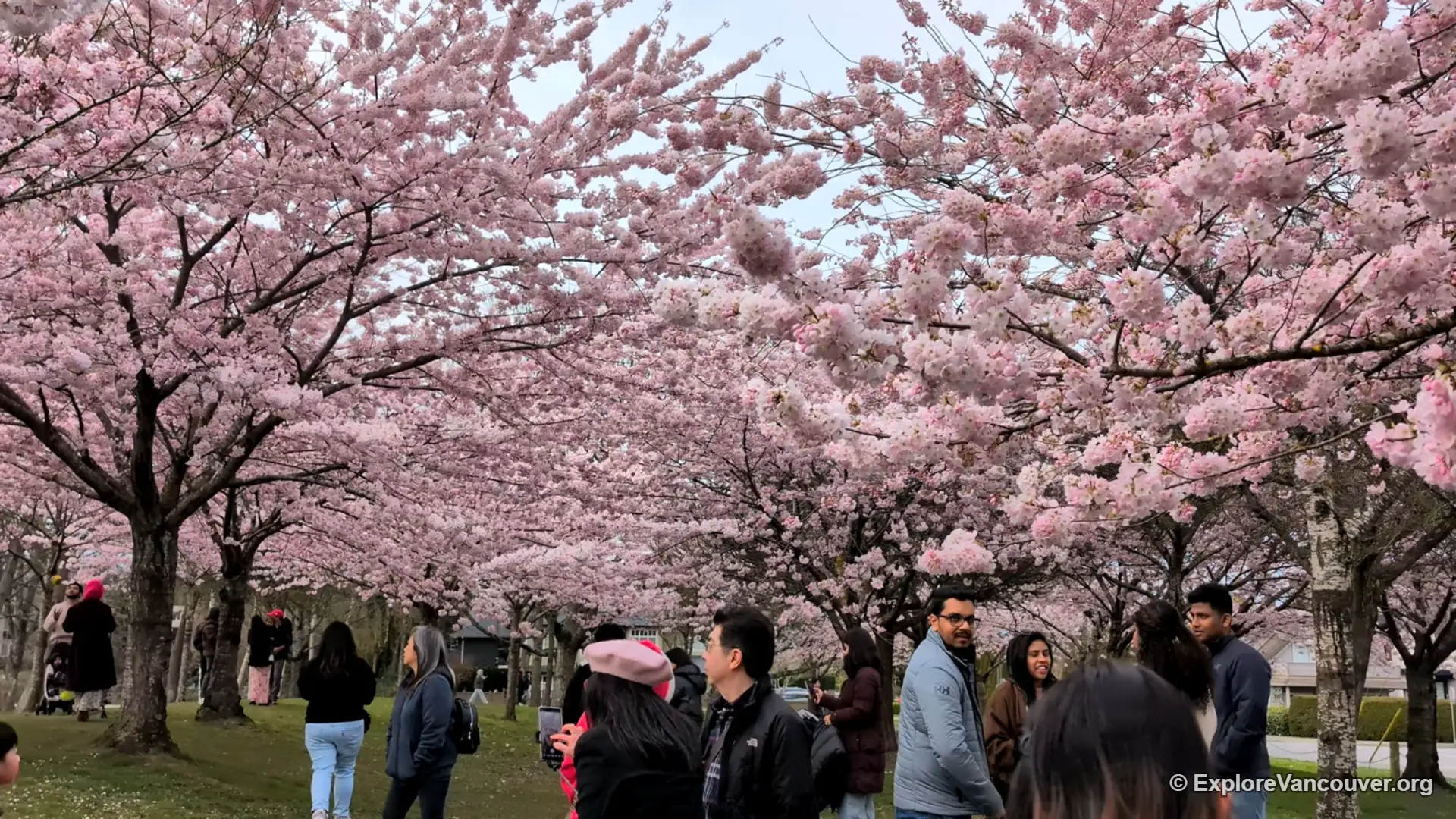
April
Peak blossom season with changeable spring weather.
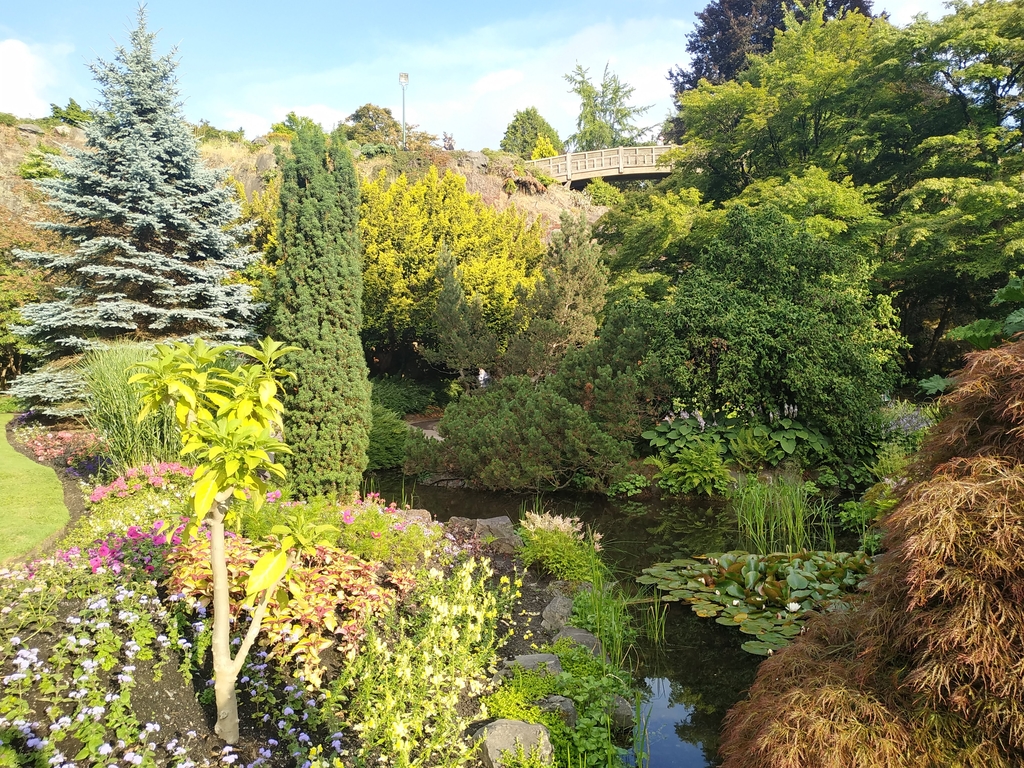
May
Gardens, patios and mild weather.
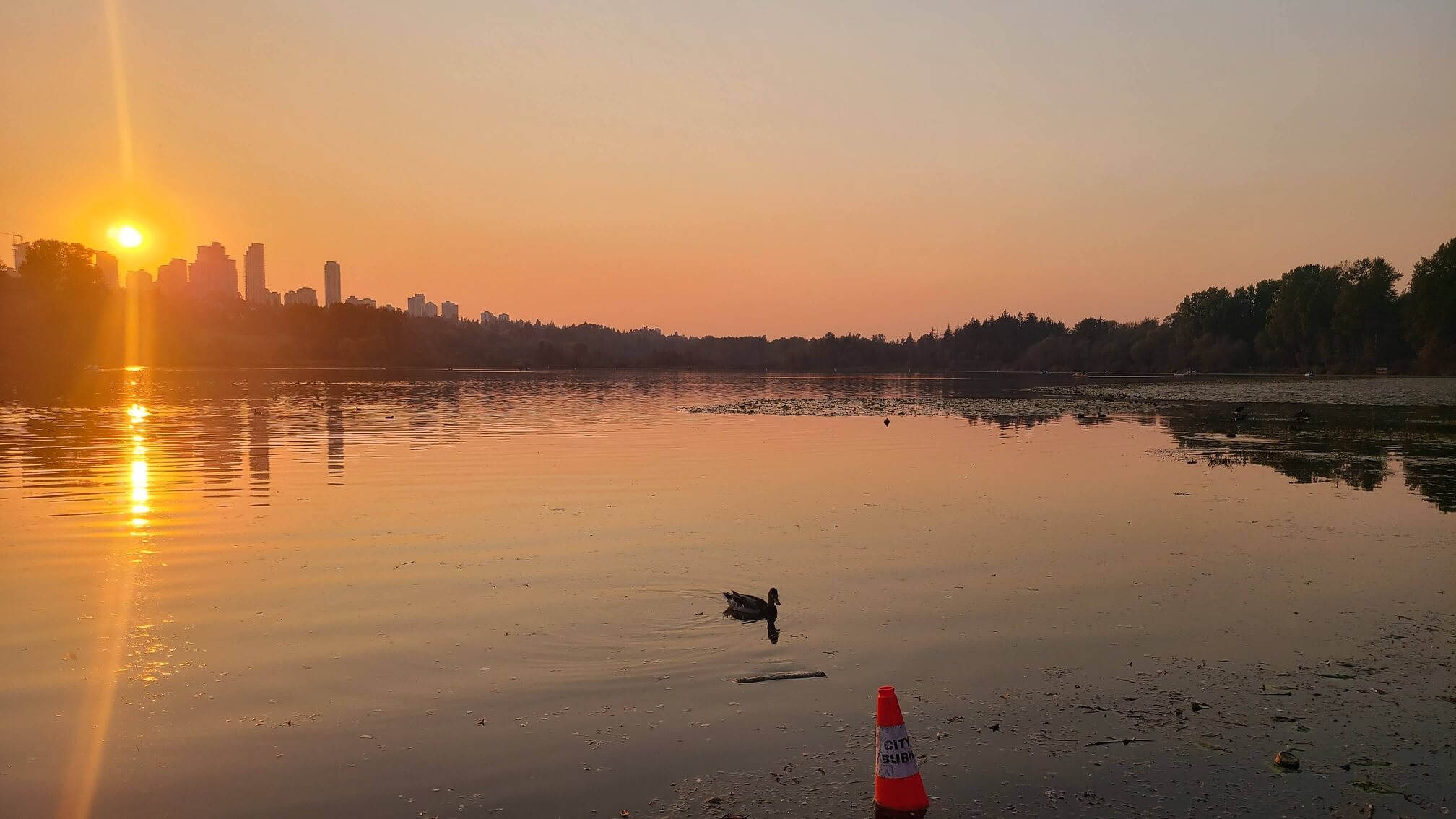
June
Long days and the start of festival season.
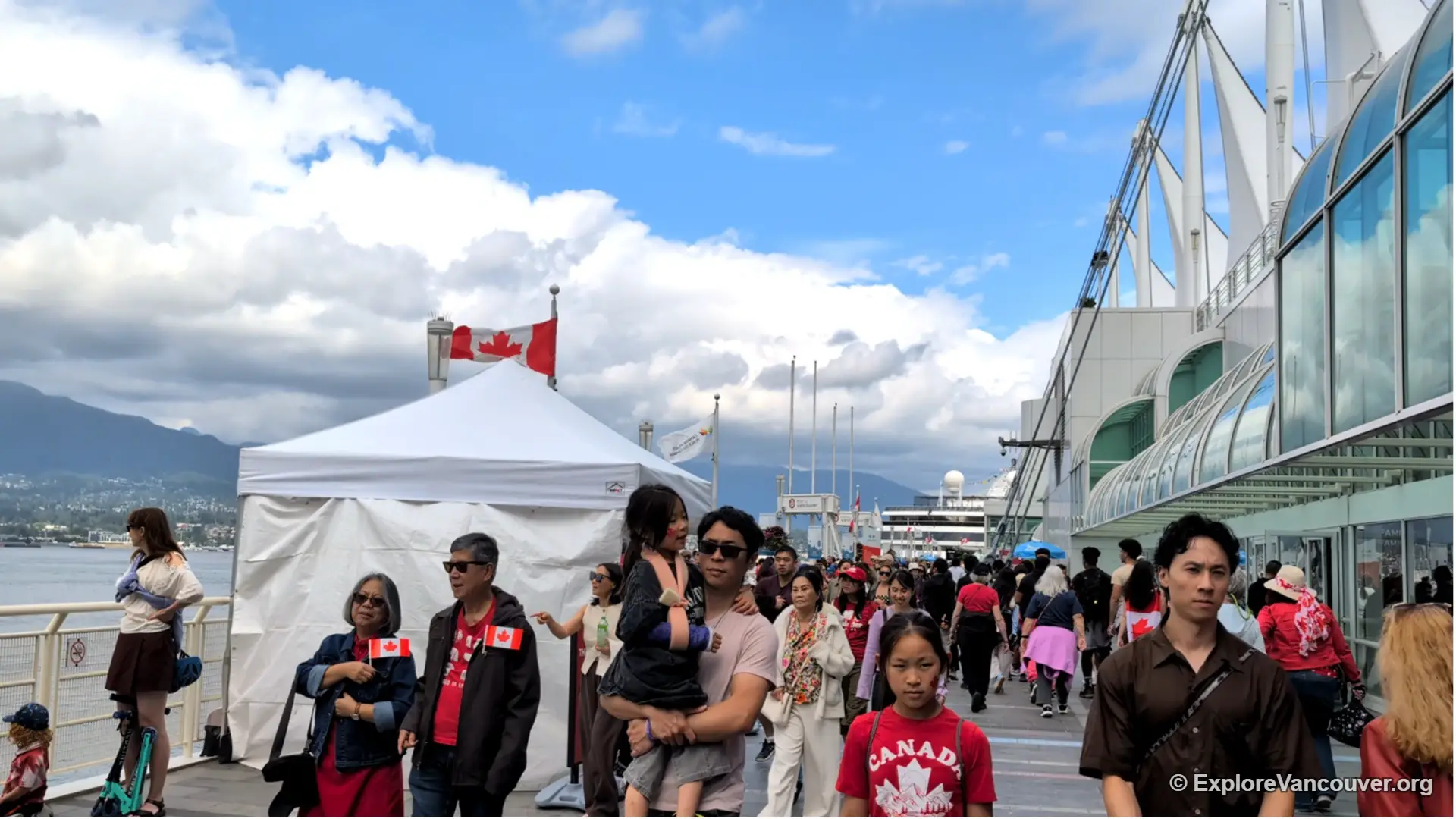
July
Peak summer for beaches and outdoor events.
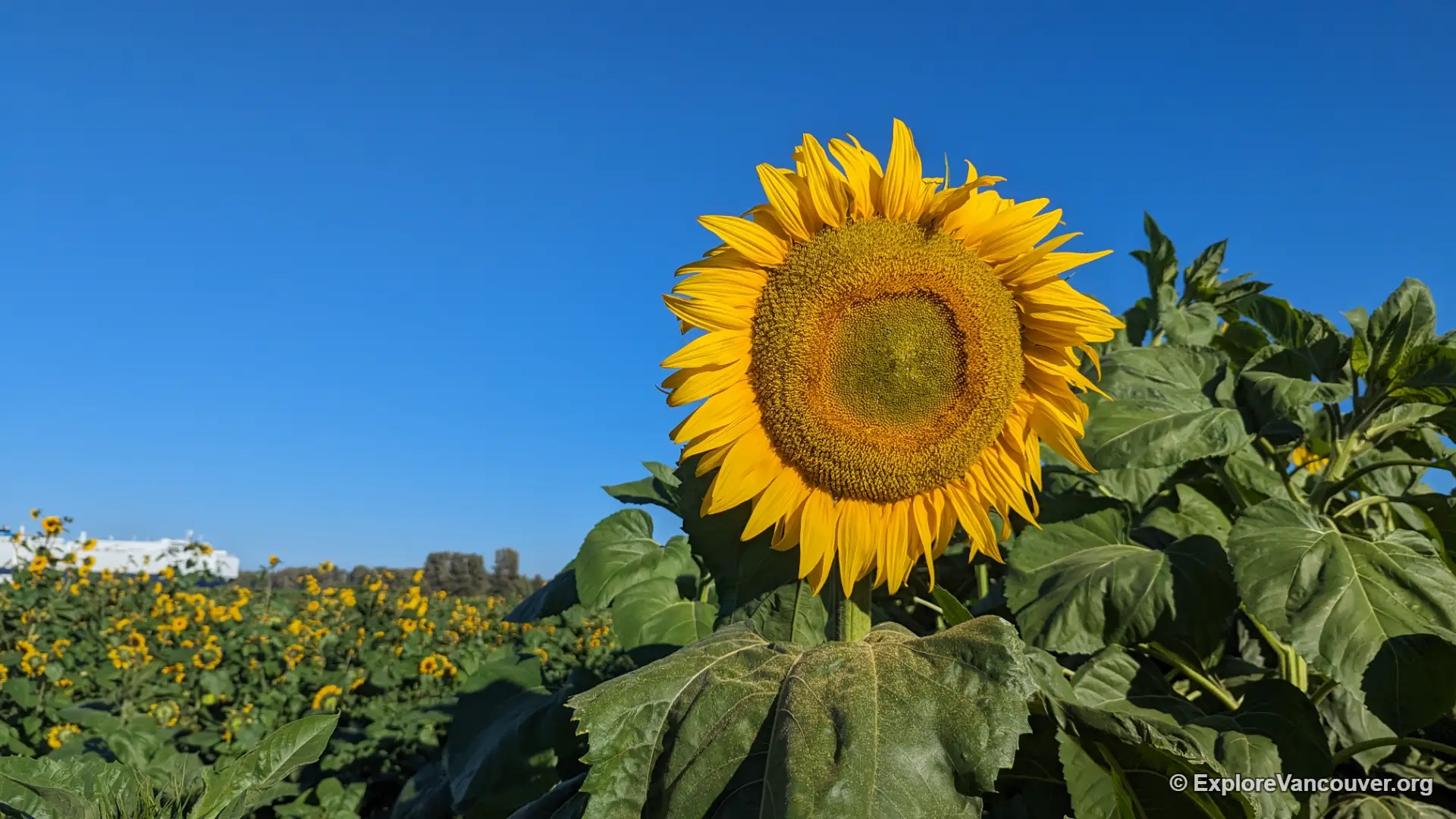
August
Warmest month, with events and sunflower season. Things to do or the events guide.
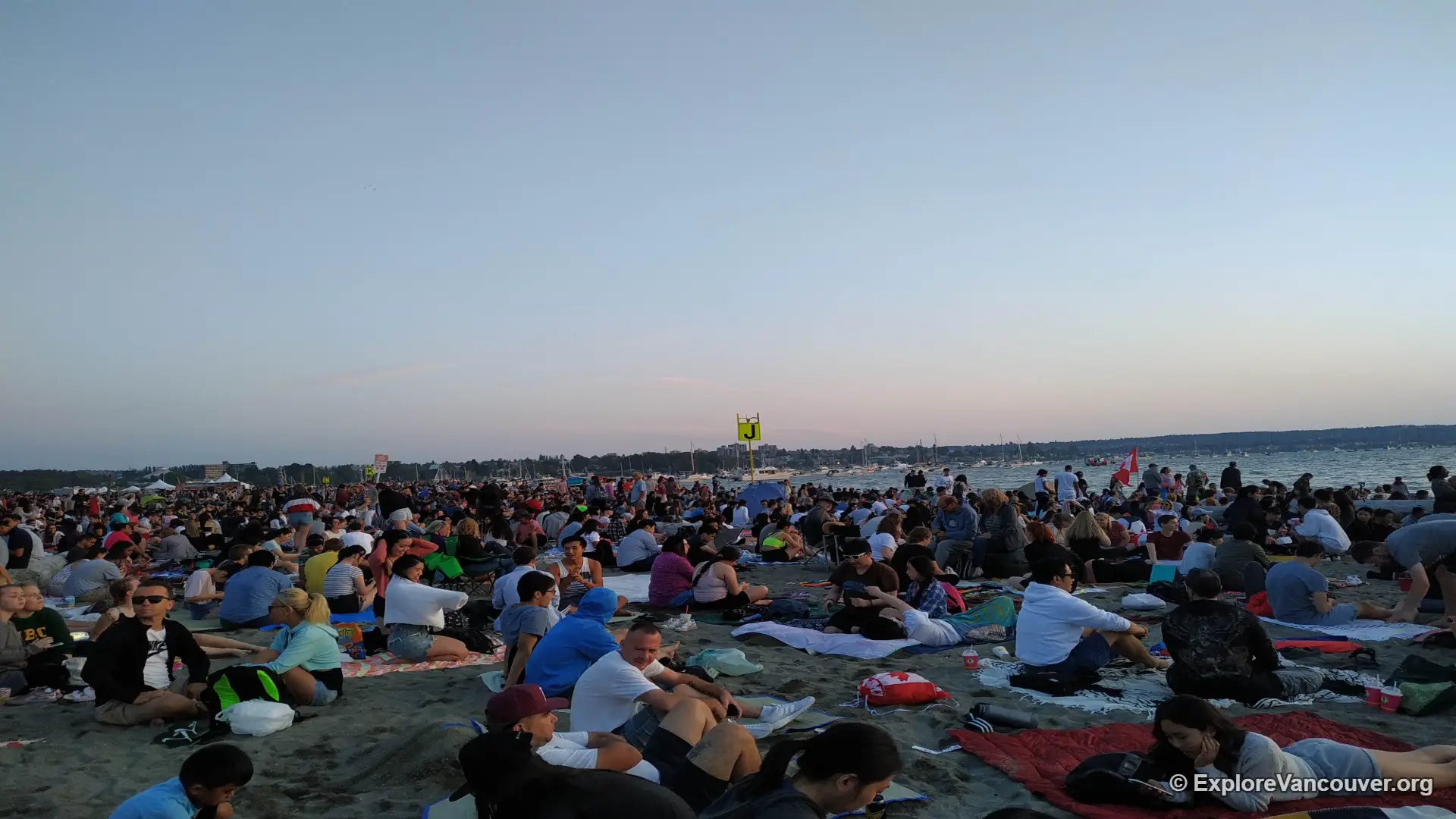
September
A second summer with thinner crowds.
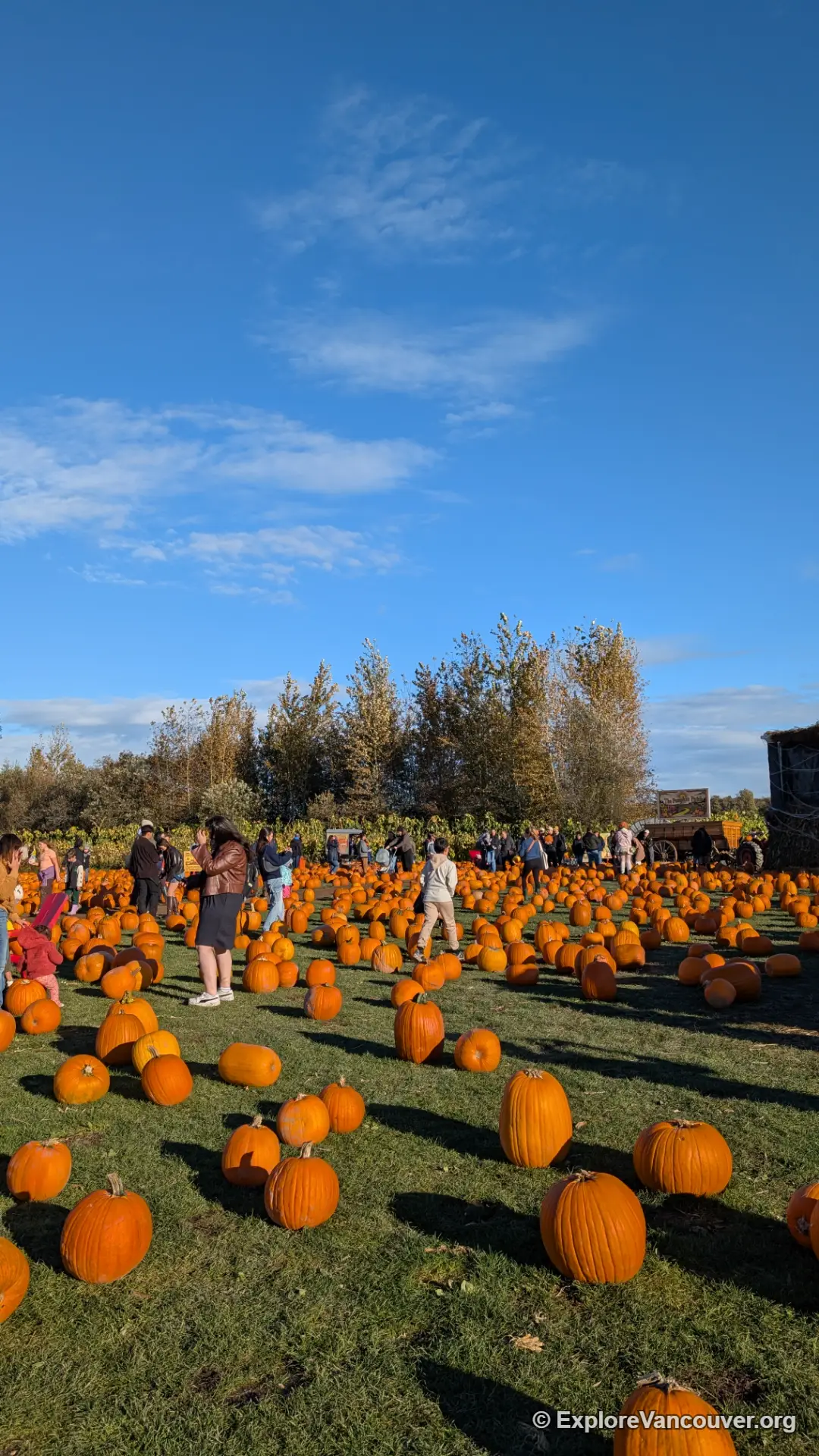
October
Fall colours and the first steady rain.
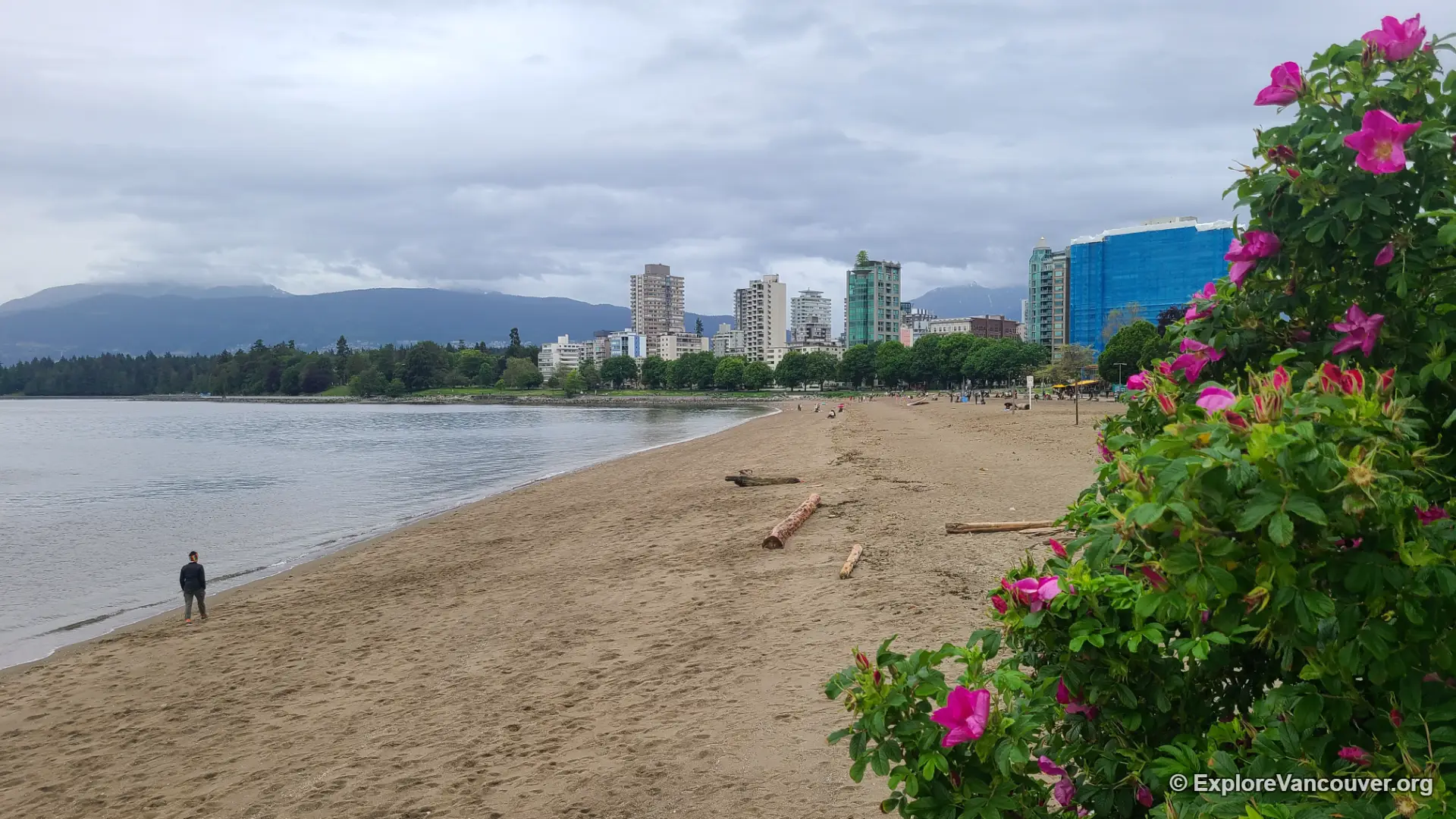
November
Wet and moody, with holiday markets on the way.
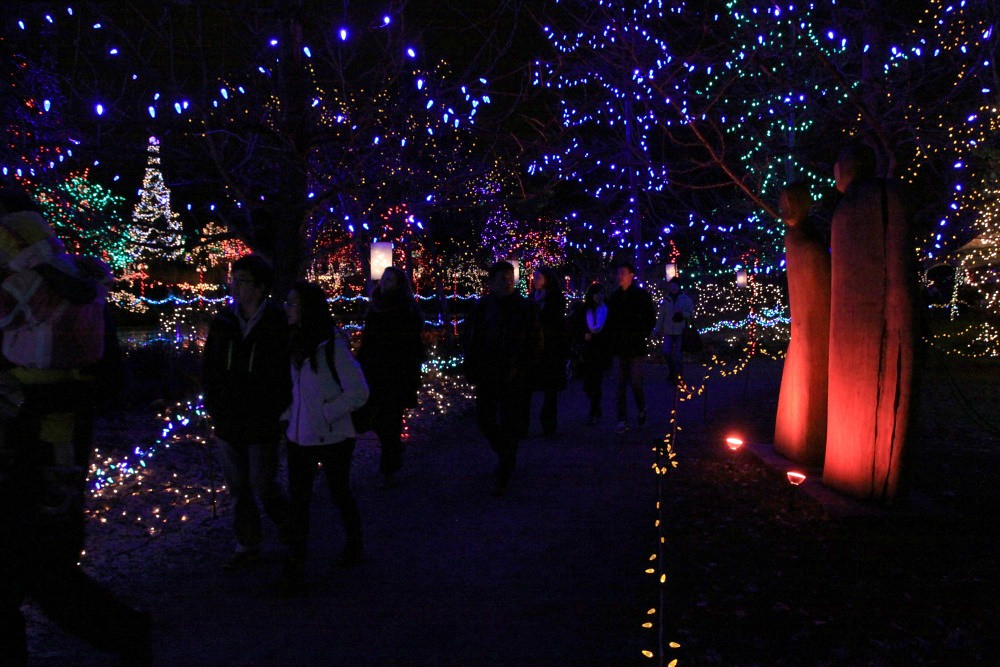
December
Holiday lights, markets and festive events.
Spring in Vancouver: March to May
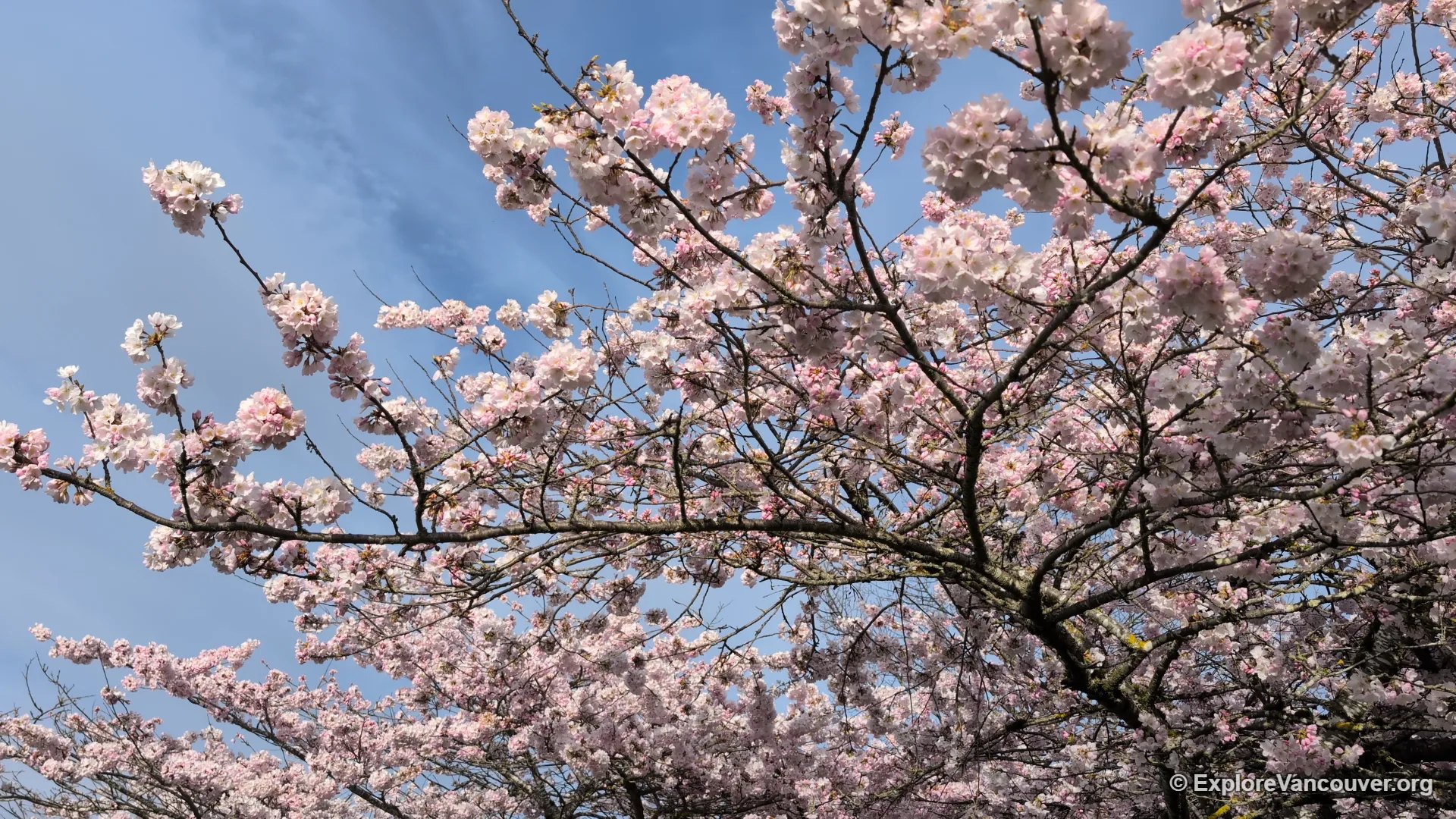
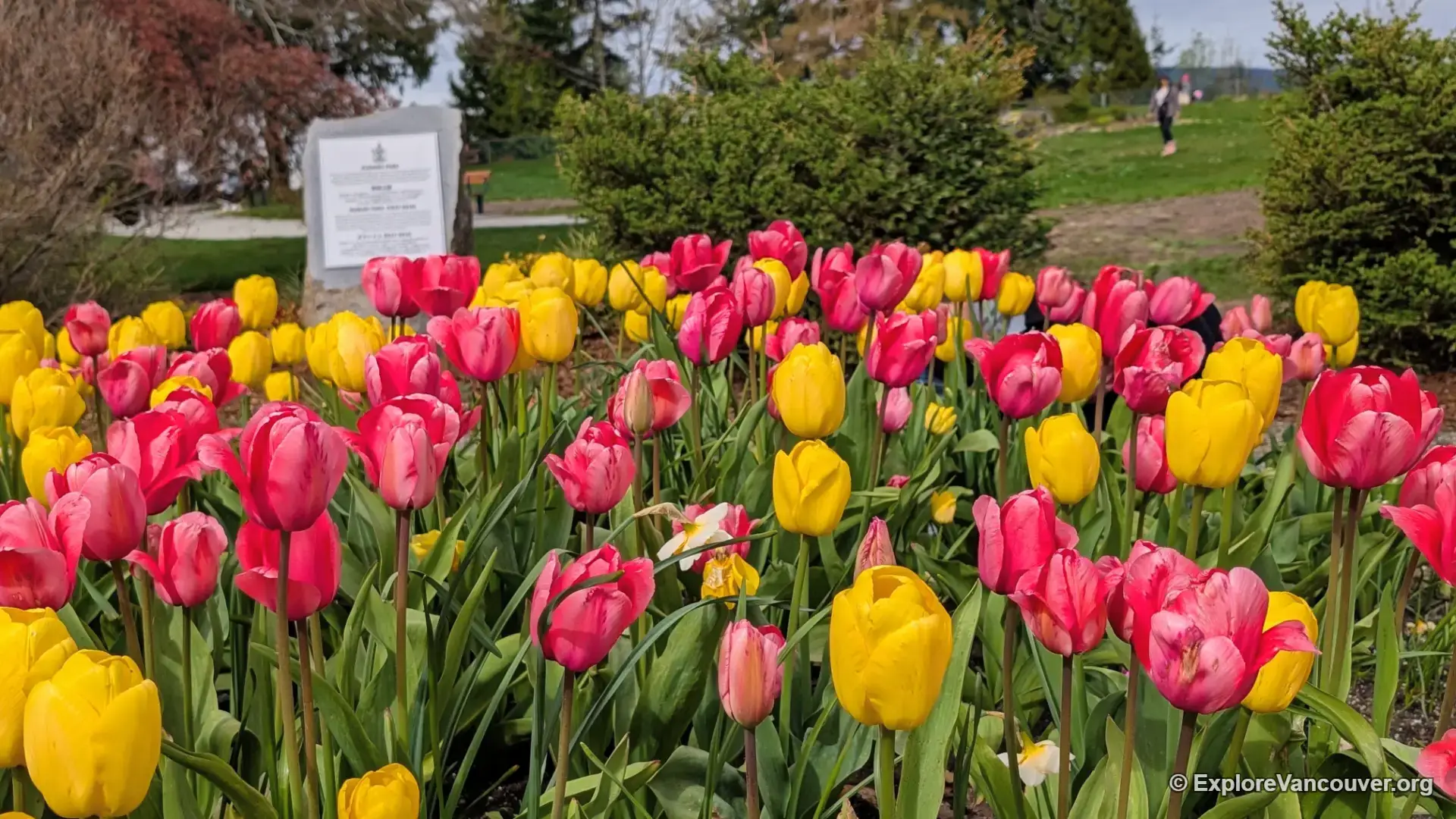
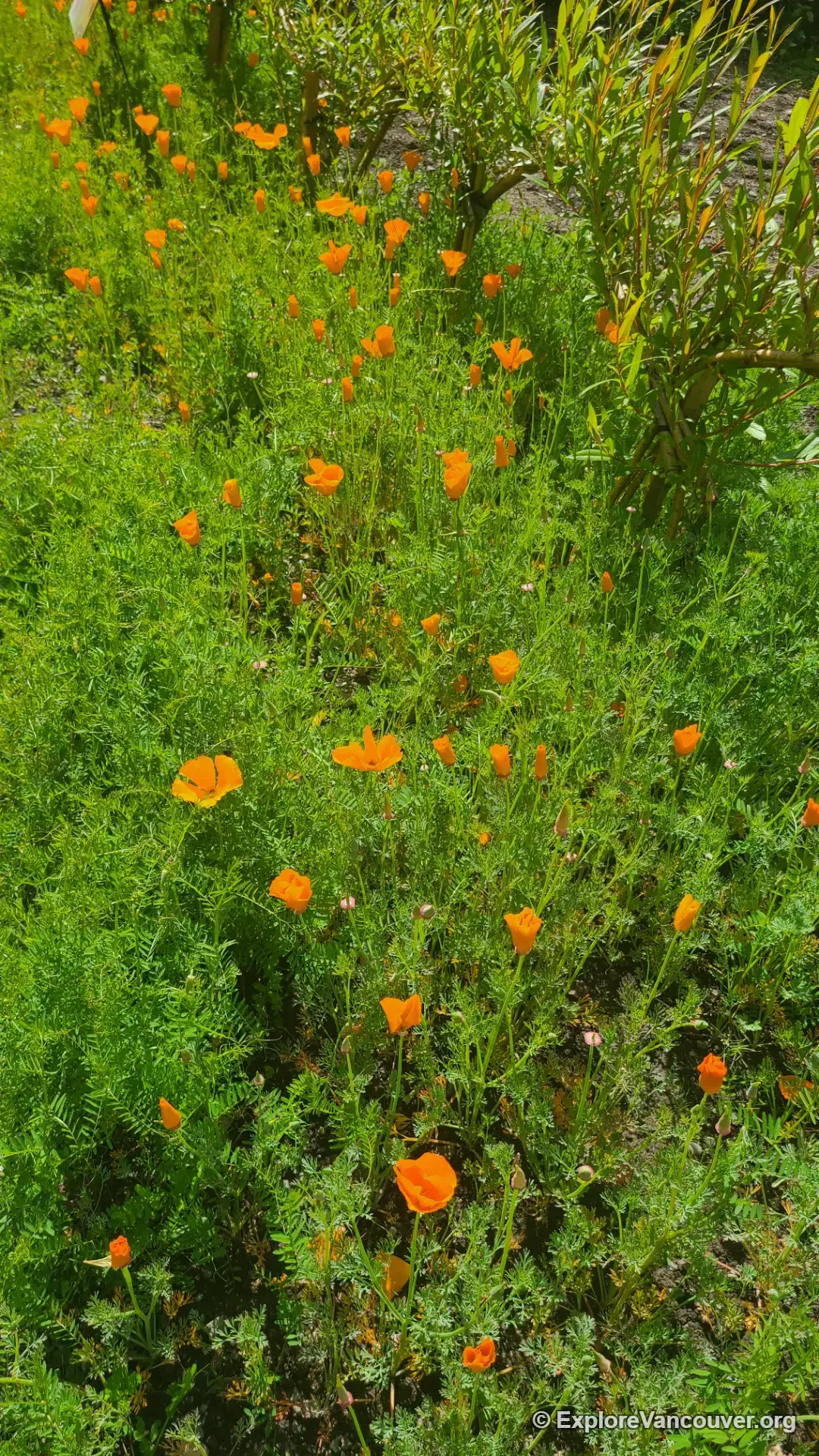
Spring is when the city wakes up. Cherry trees bloom along streets and in parks from late March into April, then tulips and rhododendrons follow. Days are mild and often cool enough for a jacket, and showers come and go, so it helps to keep plans flexible.
- Best for: cherry blossoms, garden visits, seawall walks, shoulder-season savings.
- Weather: highs from about 10 °C in March to 17 °C in May, with rain most likely early in the season.
- Crowds: light in March, building through April and May.
- Bloom timing: it shifts with each year’s weather, so check local bloom updates before you plan a trip around it.
Good spring stops include Garry Point Park for blossoms and shoreline views, Kushiro Park for tulips and sculptures, and VanDusen Botanical Garden for a full season of colour. For a month-specific plan, see what to do in Vancouver in May.
Summer in Vancouver: June to August
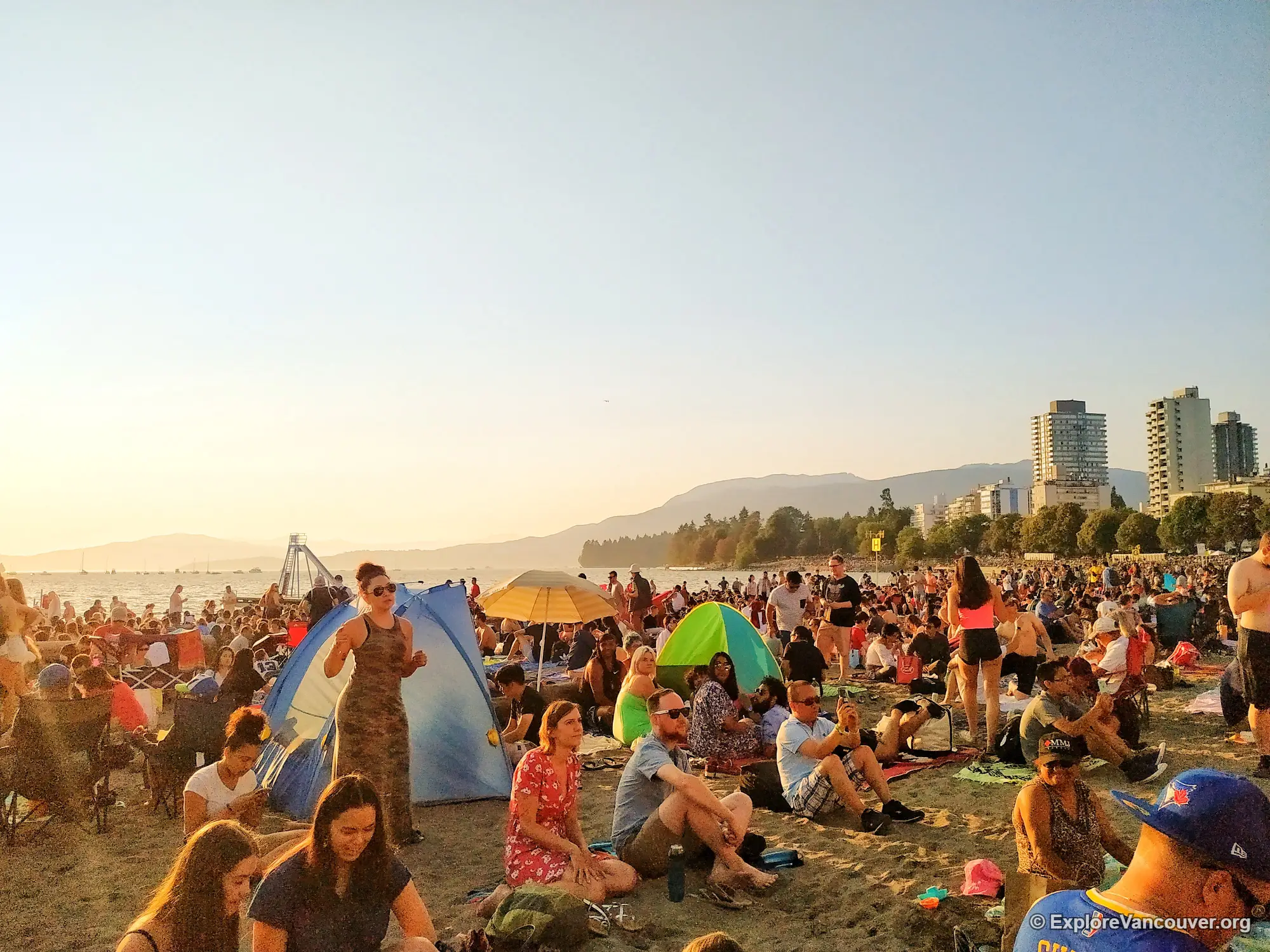
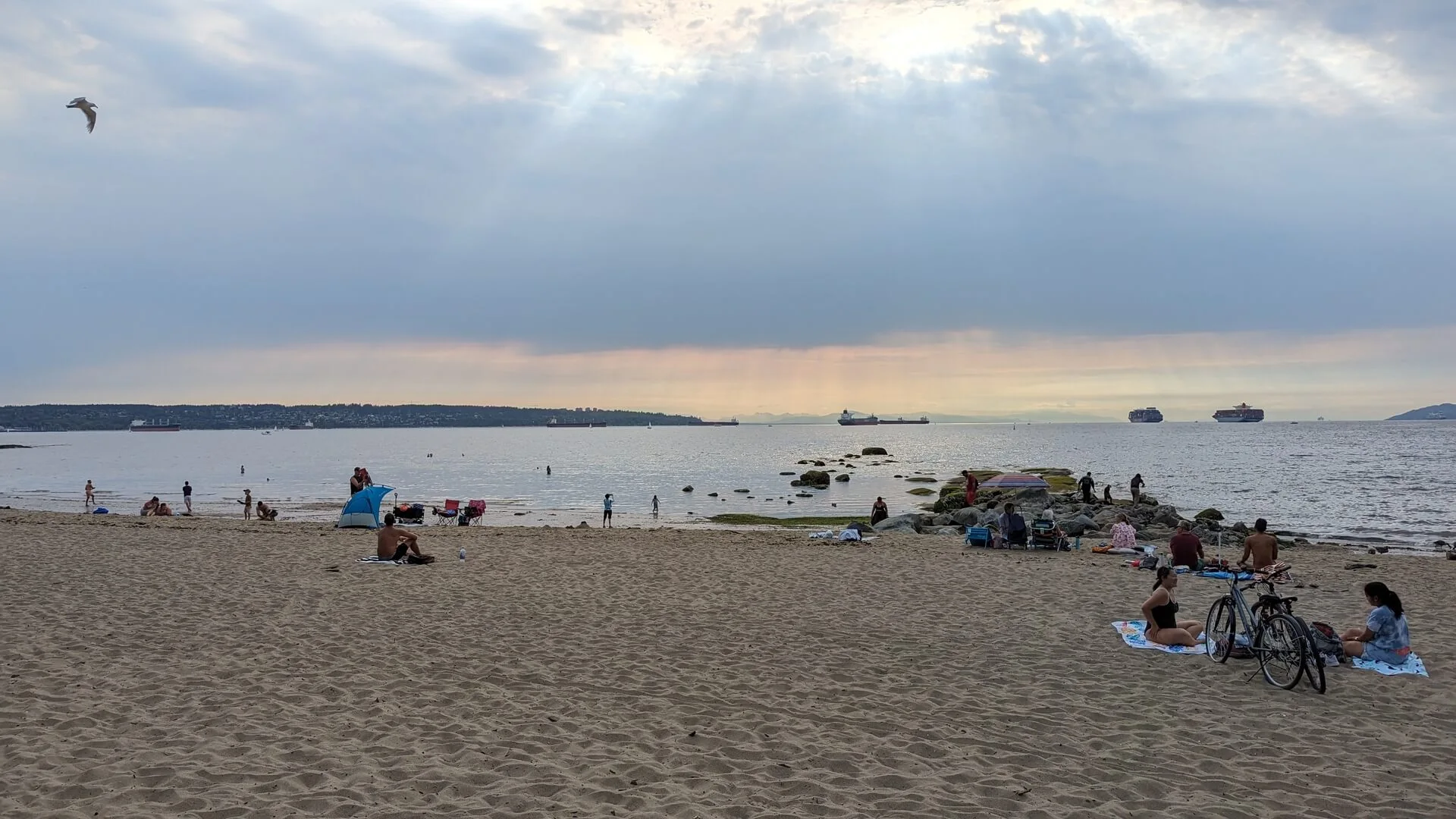
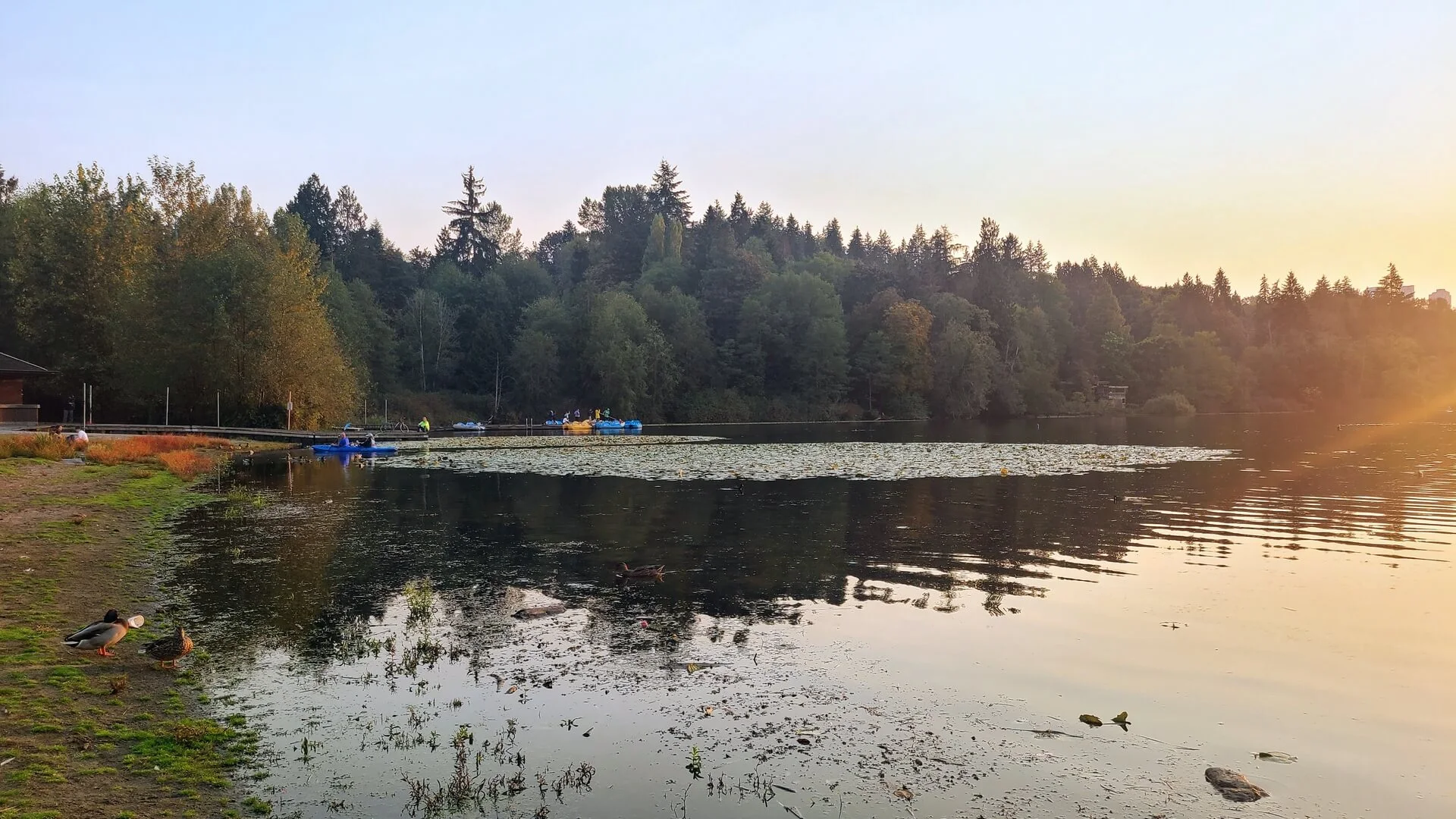
Summer is the classic answer to the best time to visit Vancouver. Skies are clear, rain is rare, and the light lasts late into the evening, with sunsets around 9 pm near the solstice. Beaches, patios, ferries, kayaks and outdoor festivals all hit their stride.
- Best for: beaches, cycling the seawall, paddling, outdoor events, long evenings, day trips to islands.
- Weather: highs around 20 to 23 °C (68 to 73 °F). Occasional heat waves and smoky days from regional wildfires are possible.
- Crowds and rates: July and August are the busiest and most expensive. Book accommodation early.
- Ocean note: the water stays cool even in summer, so most people wade rather than swim for long.
Beach days are easy at English Bay Beach and Third Beach, and the Stanley Park Seawall is at its best on a dry morning. Planning a specific month? Start with things to do in Vancouver in July or in August, and browse the best sunset spots for the evening.
Fall in Vancouver: September to November
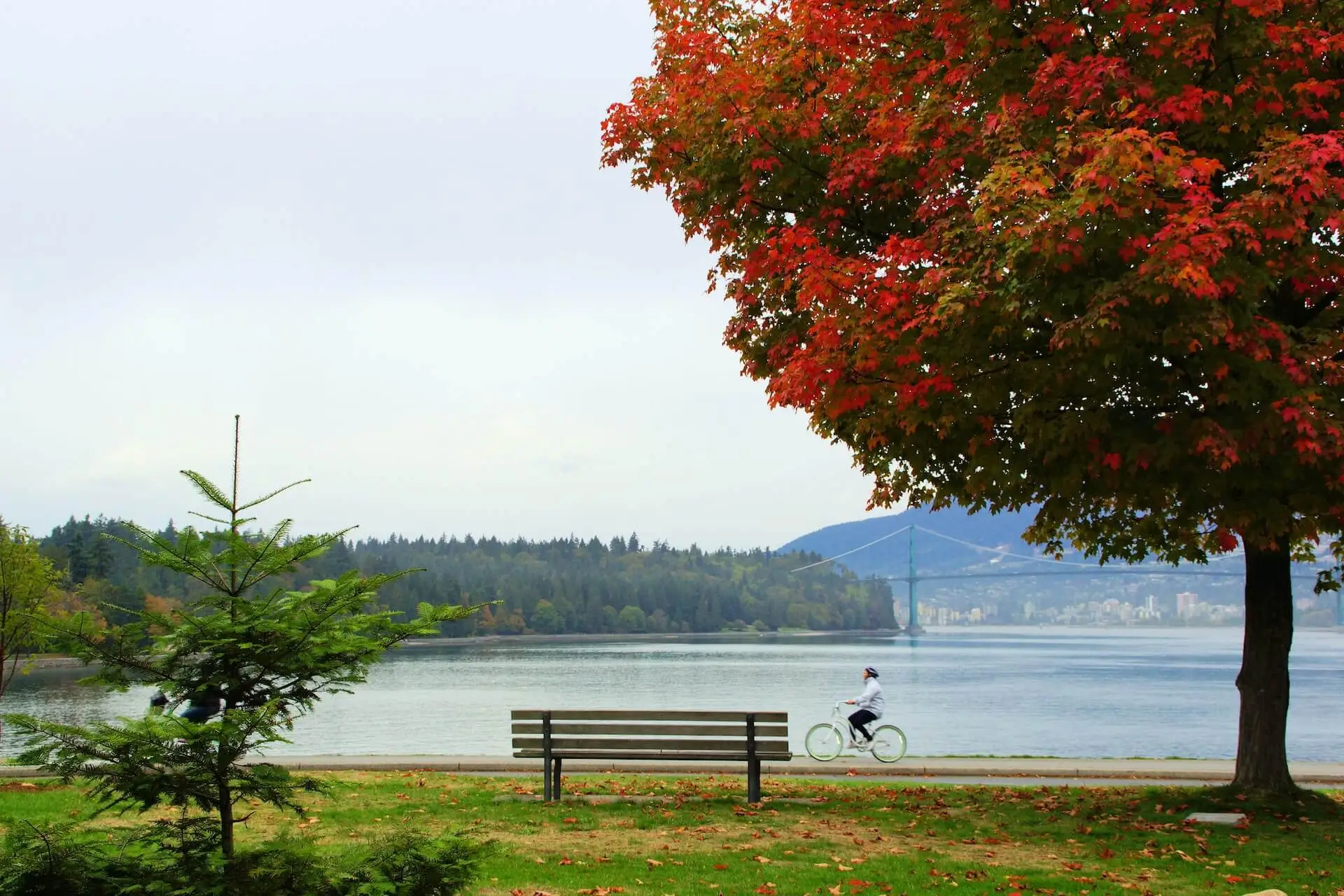
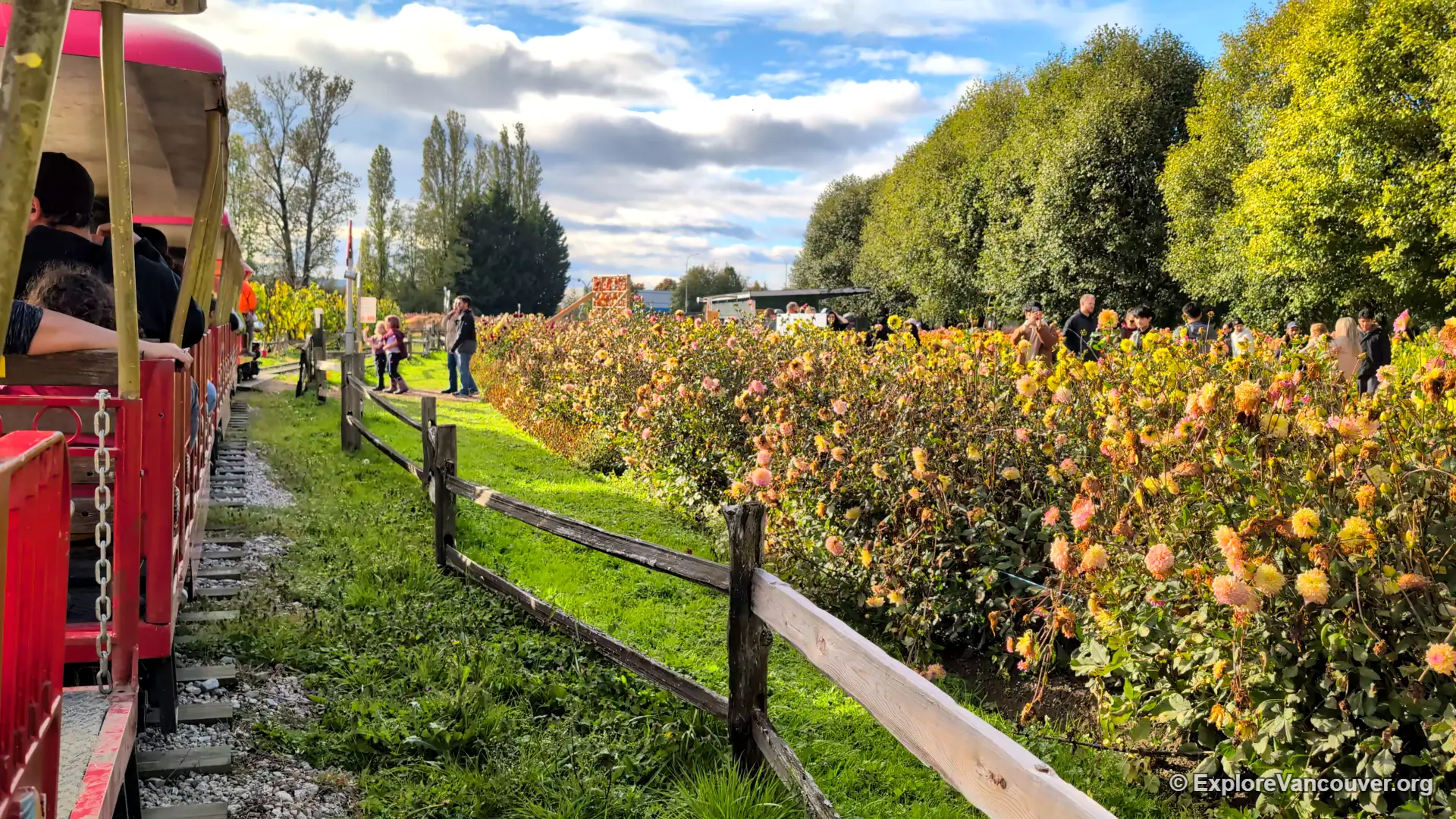
Early fall is a favourite for locals. September often feels like a second summer, with warm afternoons and thinner crowds once school starts. By mid October the leaves turn, the salmon run through nearby rivers, and the rain begins to return. November is the start of the wet season.
- Best for: hiking, fall foliage, harvest and pumpkin patch outings, museum days, lower hotel demand after Labour Day.
- Weather: highs fall from about 19 °C in September to 9 °C in November, with rain increasing each month.
- Crowds: high in early September, then easing through October.
- Salmon viewing: timing depends on the species and the year, so confirm at the hatchery or park before you go.
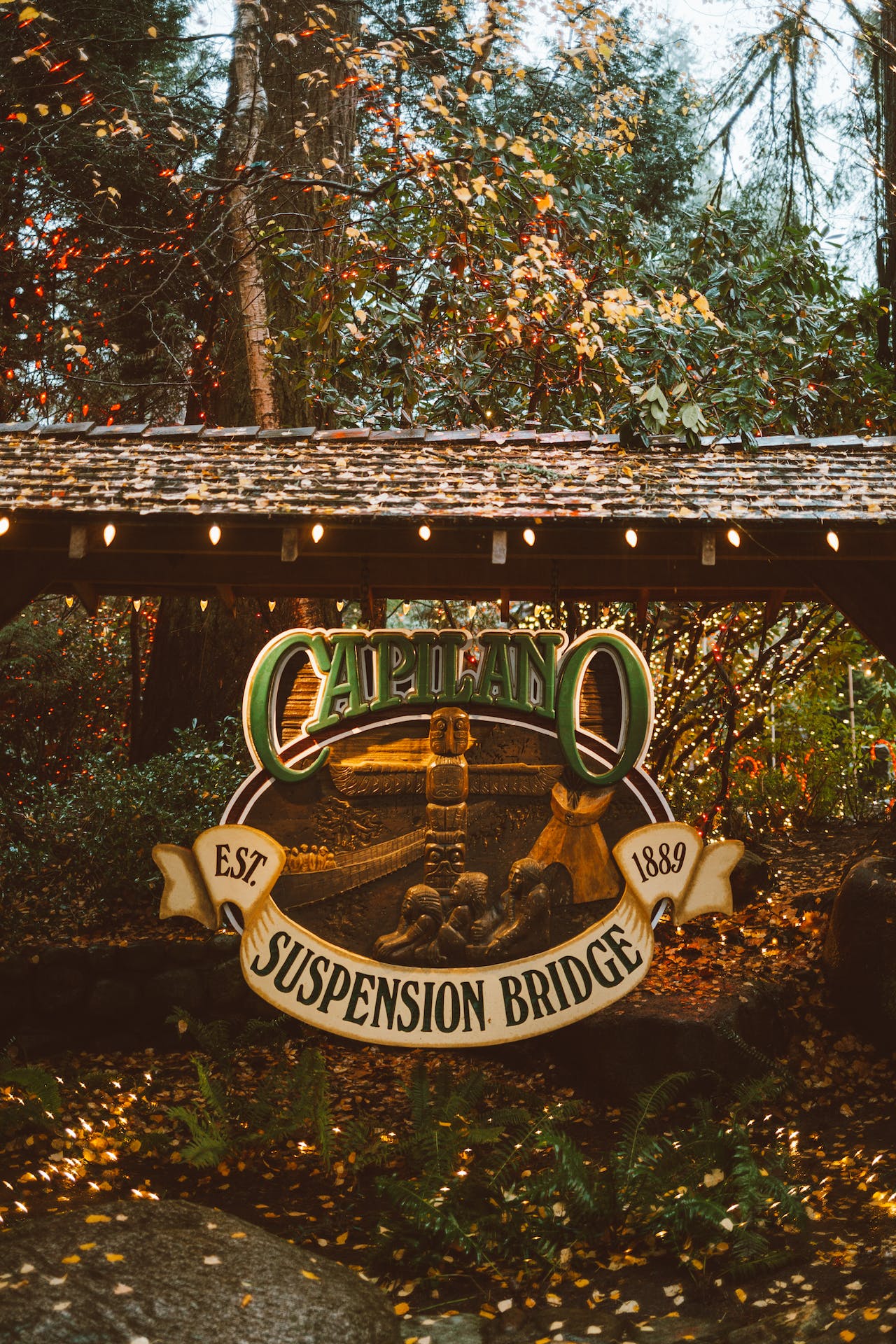
Our guides to the best autumn places in Vancouver, top things to do in fall and the best fall hikes will help you plan, and there are monthly guides for September and November. Add a visit to Capilano Suspension Bridge if you want the classic forest-and-foliage view.
Winter in Vancouver: December to February
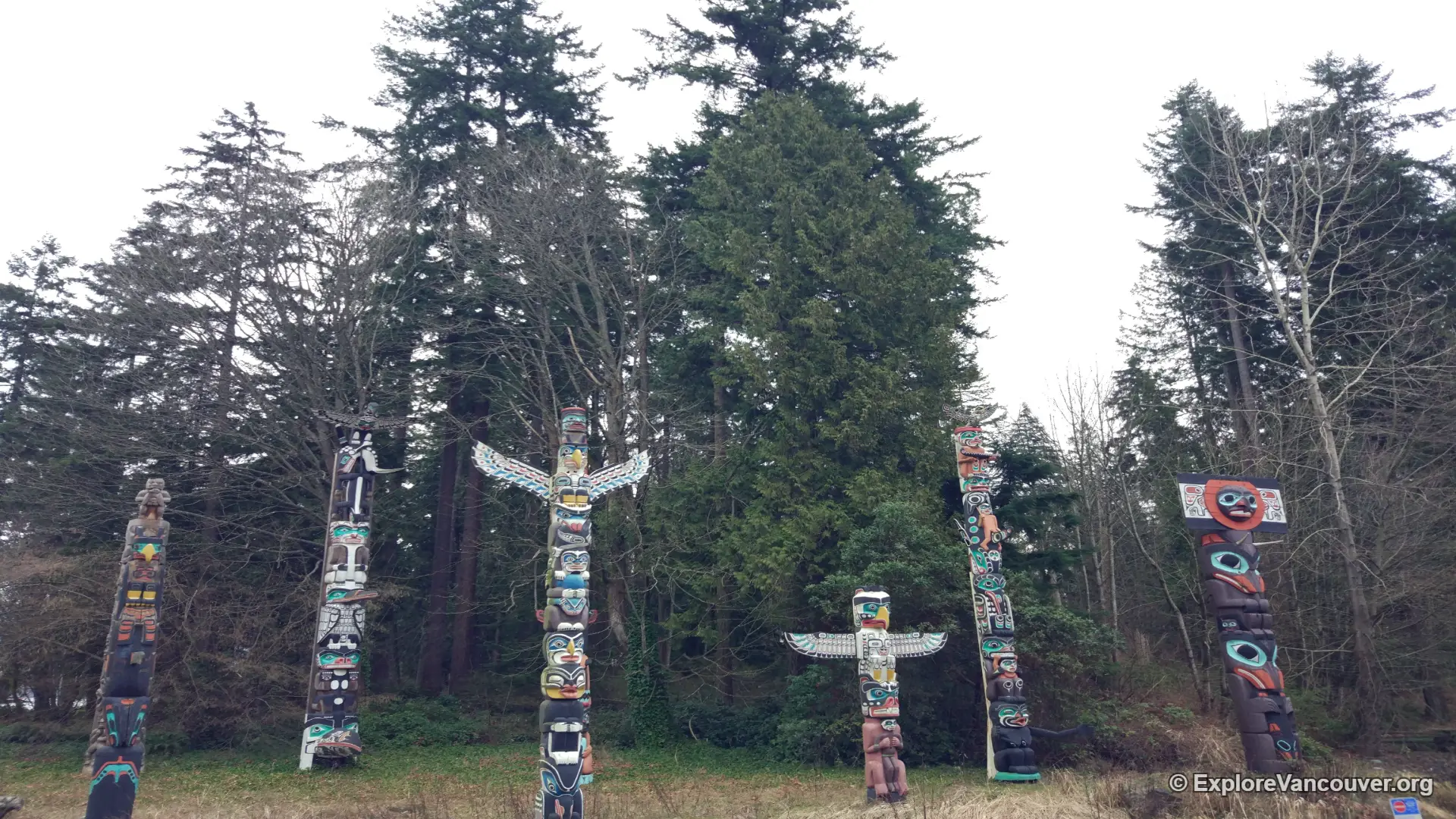
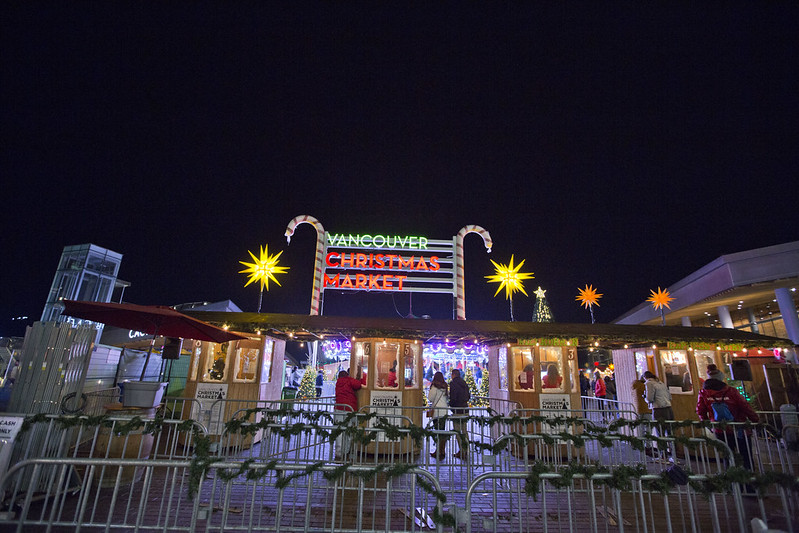
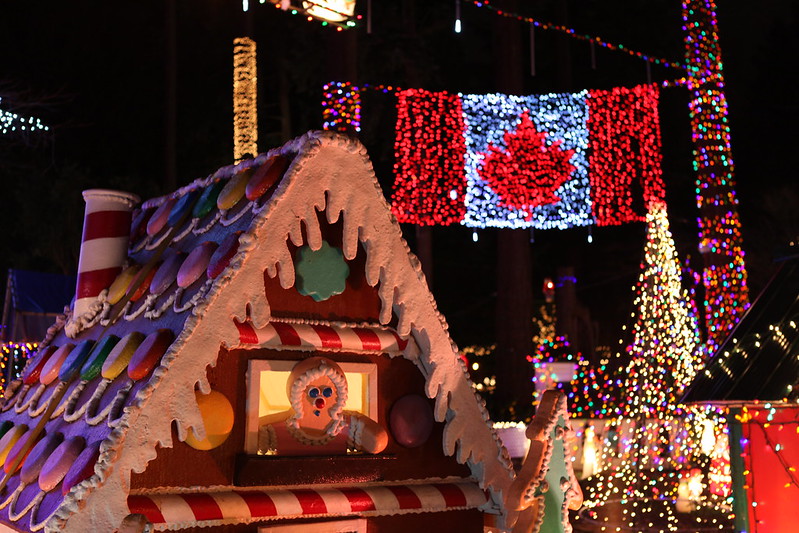
Winter in the city itself is mostly grey, damp and mild for Canada. Snow is uncommon at sea level, but it is dependable in the nearby mountains. Days are short, with sunset before 4:30 pm around the winter solstice, which makes the holiday lights and market stalls feel even brighter.
- Best for: skiing and snowboarding, holiday lights and markets, cozy cafes, museums, budget-minded trips.
- Weather: highs of 6 to 8 °C (43 to 46 °F), frequent rain, occasional frost and rare city snowfall.
- Crowds and rates: quiet in January and February, busier around the holidays and on ski weekends.
- Mountain note: ski areas open on their own schedules, so check current snow reports before booking.
For festive plans, read the best Vancouver Christmas activities and events and visit the Vancouver Christmas Market. Families may also like the Stanley Park Christmas Train, though you should check current-year details before you plan around it.
Best Time to Visit Vancouver by Interest
| If you want | Go in | Why |
|---|---|---|
| Warm, dry weather | July and August | The most reliable sunshine of the year. |
| Fewer crowds with good weather | Late May, June, September | Pleasant days with less pressure on hotels and attractions. |
| Cherry blossoms | Late March to mid April | Trees bloom across the city, with timing that changes each year. |
| Beaches and paddling | June to early September | Warmest air, calmest conditions and the longest days. |
| Hiking | July to early October | Lower trails are open most of the year, and higher routes clear of snow in summer. |
| Fall colours | Mid October to early November | Maples and other trees turn across parks and forest trails. |
| Skiing and snowboarding | December to March | Local mountains run on their own snow-dependent schedules. |
| Christmas lights and markets | Late November to December | Festive events run across the city in the run-up to the holidays. |
| Budget travel | November to March, outside holidays | Lower demand for accommodation, with more rain as the trade-off. |
| Cruise and harbour views | April to October | The cruise season adds ship traffic around Canada Place. |
Rain, Layers and What to Pack
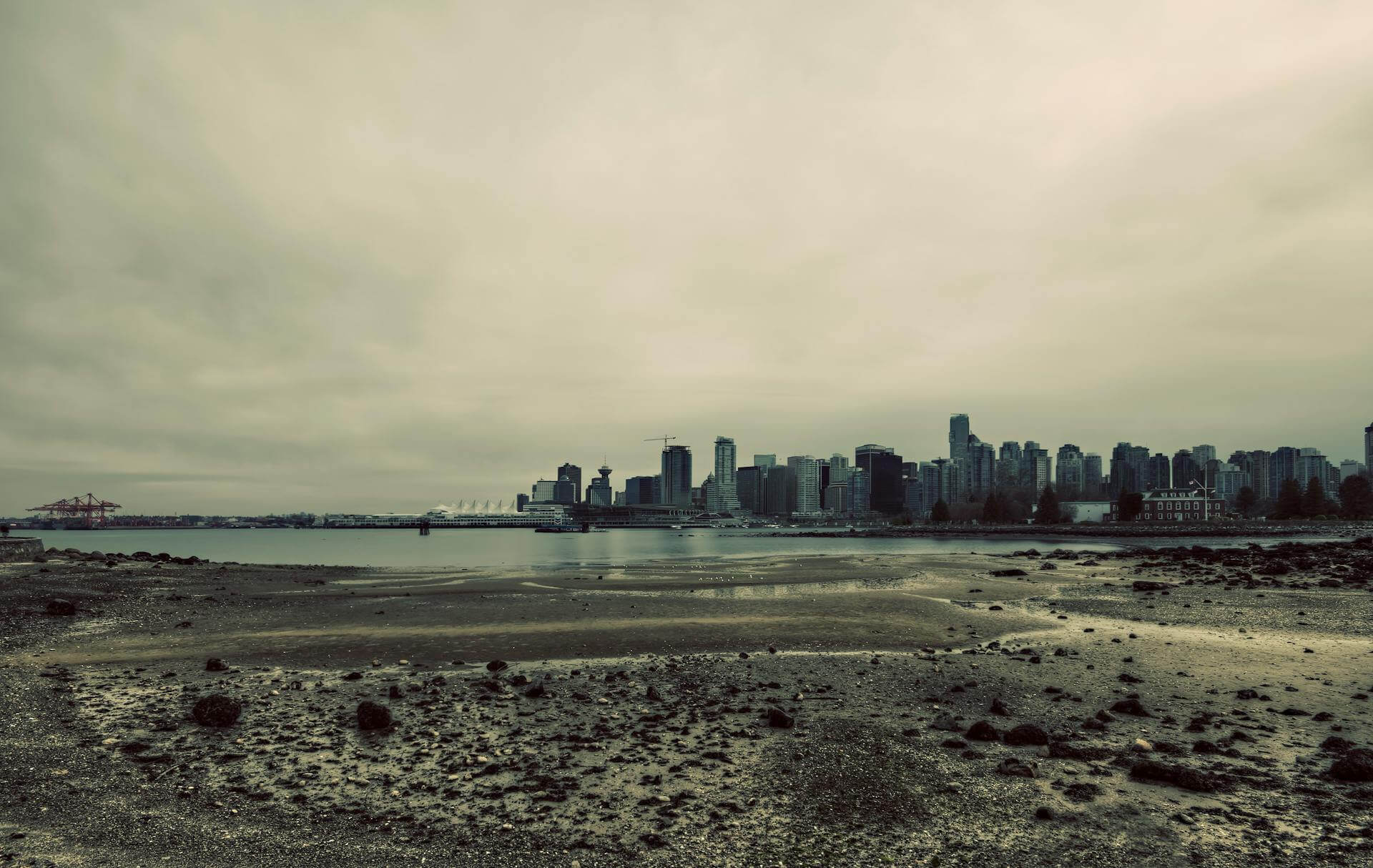
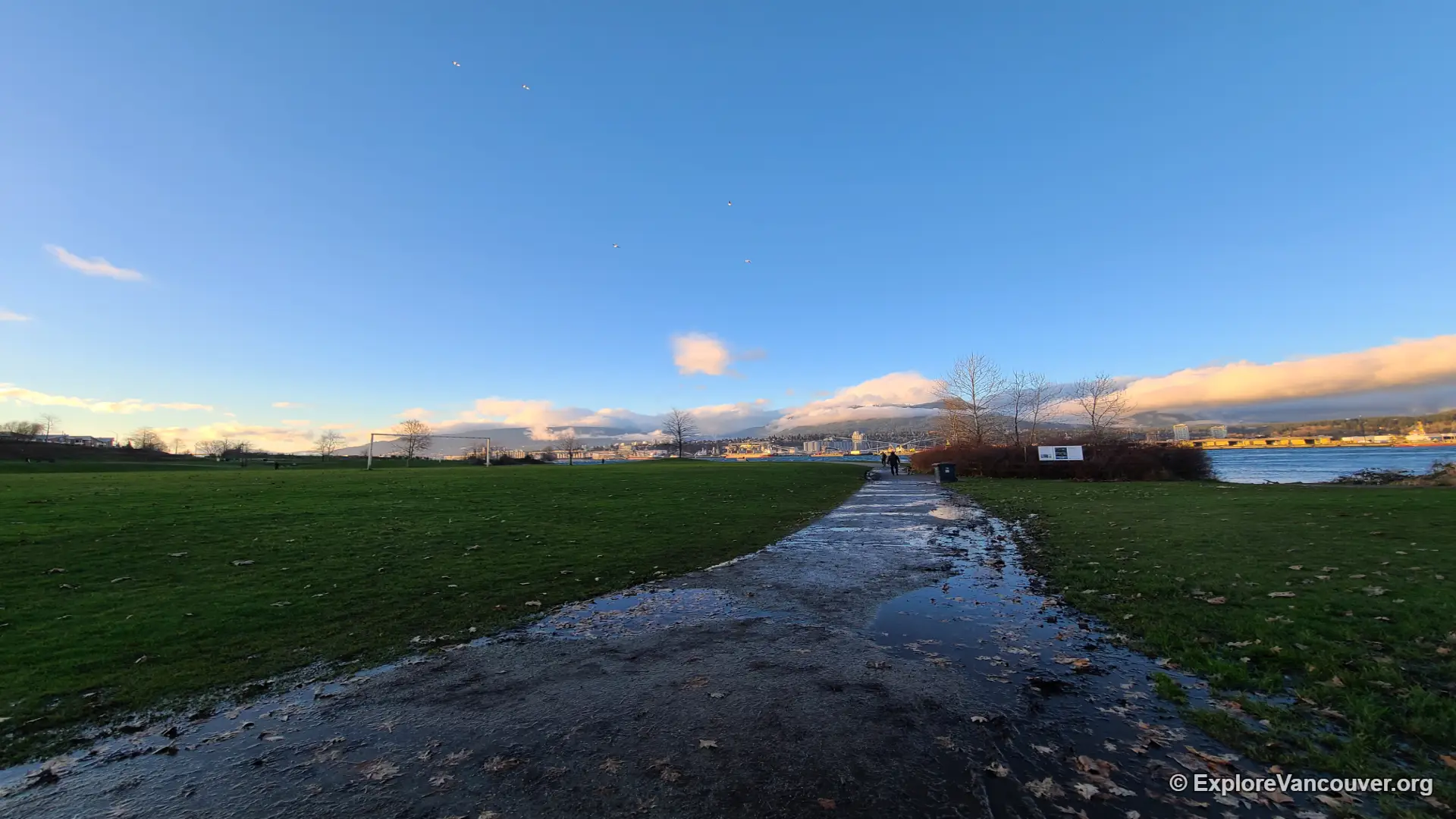
Vancouver’s rain is real, but it is seasonal. Most of the year’s precipitation falls between October and March, while July and August are among the driest months of any major Canadian city. Rain here is often light and steady rather than stormy, and many of the best indoor and covered spots stay lively when it falls.
- All year: a light waterproof jacket and comfortable, grippy shoes.
- Summer: sunscreen, sunglasses, a light sweater for cool evenings and a refillable water bottle.
- Spring and fall: layers that you can add or remove as the day changes.
- Winter: a warm coat, a compact umbrella and waterproof footwear. Bring proper snow gear if you plan to visit the mountains.
Wet day ideas include the Bloedel Conservatory, Granville Island Public Market and Science World.
Crowds, Prices and Booking Timing
Vancouver’s high season runs from about June to early September, and July and August are the peak. Hotel demand is strongest then, and it also rises around large events, holiday weekends and the cruise season from roughly April to October. Late spring and the second half of September are the sweet spots if you want decent weather and easier bookings. From November to March, accommodation is generally easier to find and often better value, except around the winter holidays and ski weekends.
Accommodation rates, attraction admission and opening times change often. Always confirm current details on each attraction’s official website before you book. Public holiday dates are listed on our BC statutory holidays page.
Seasonal Events Worth Planning Around
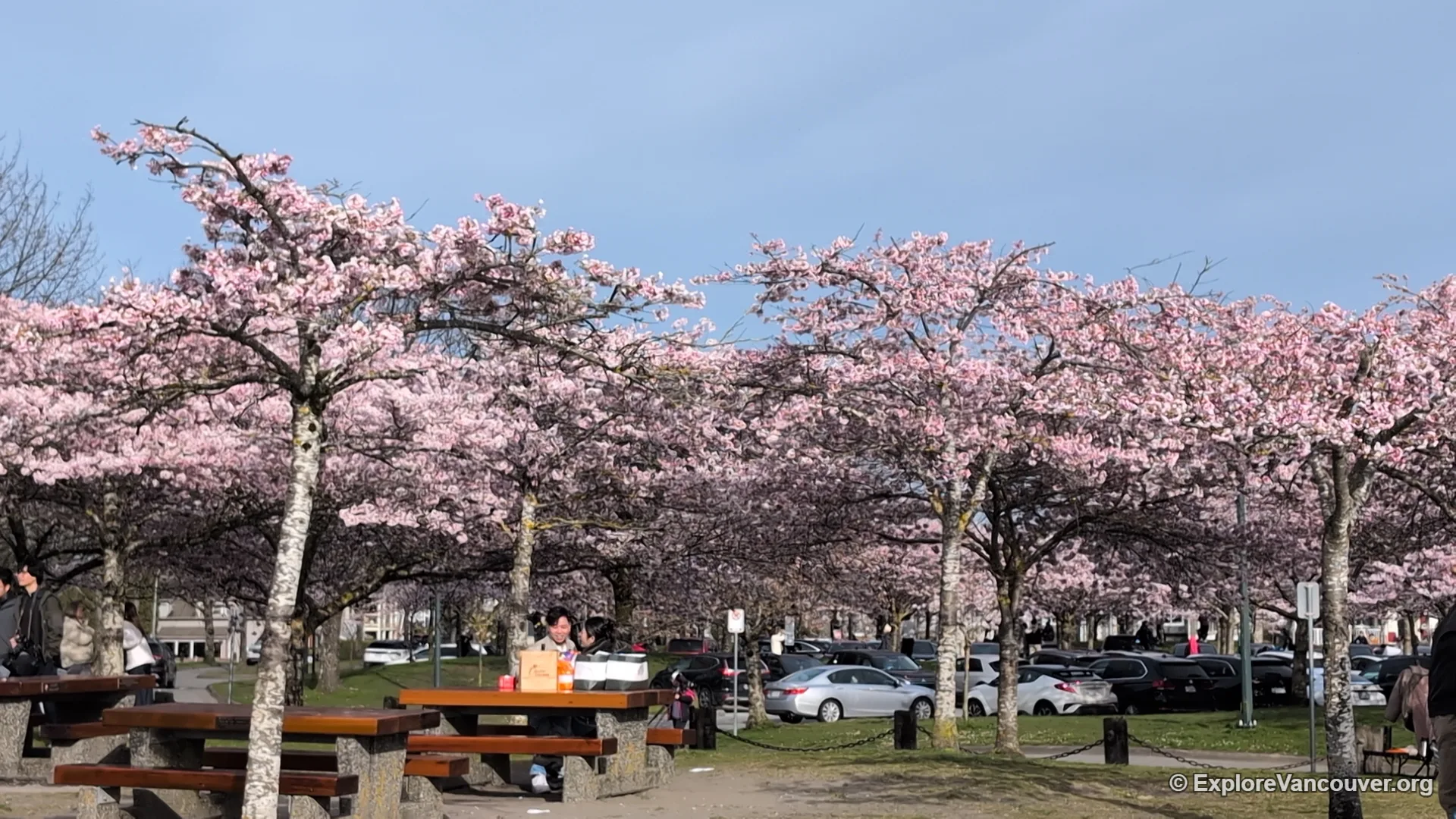
Cherry blossom season
Late March to April. Look for blooms across the city, including at Garry Point Park.
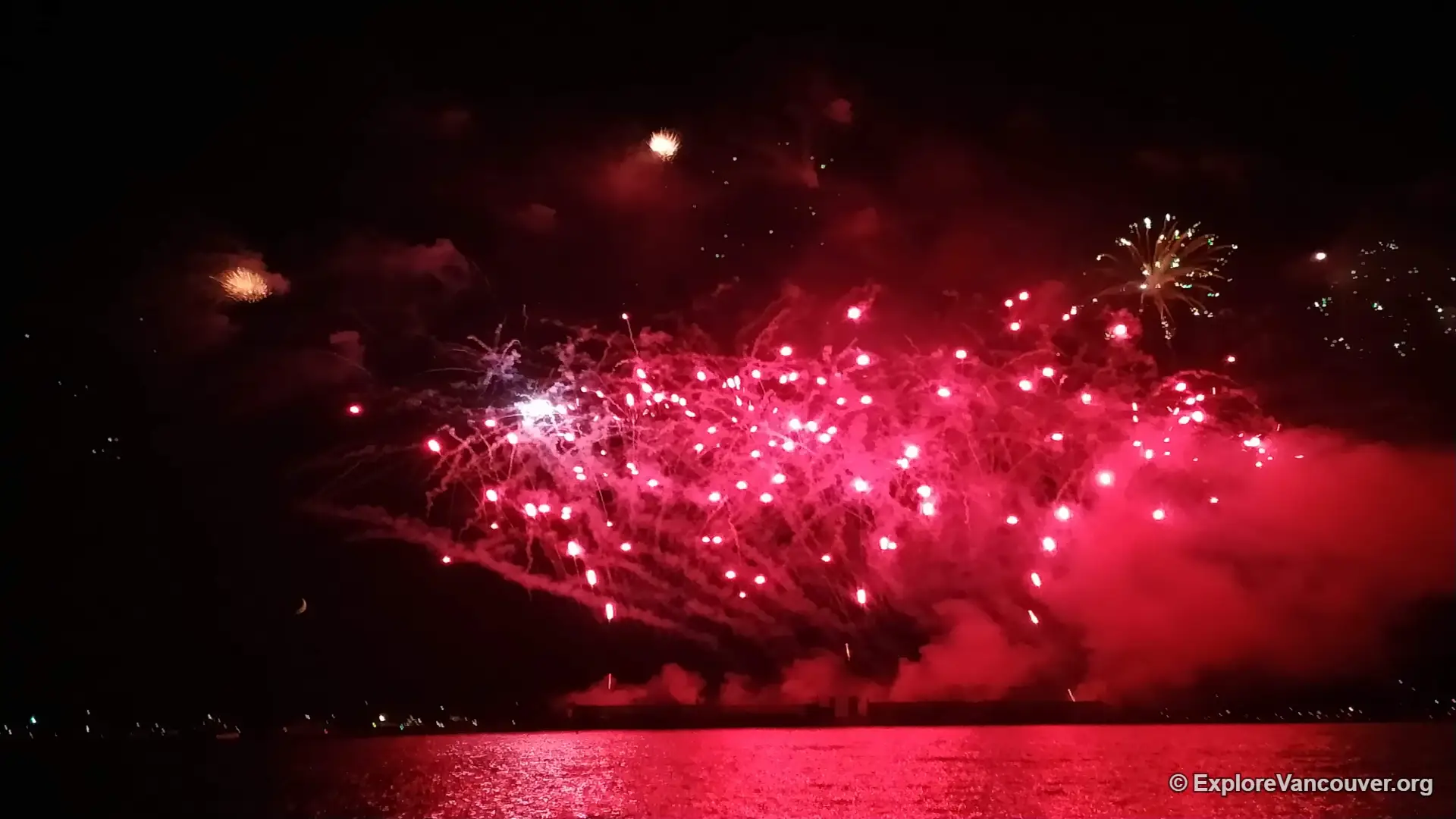
Summer fireworks
A summer fireworks festival lights up English Bay in late July and early August. English Bay Beach is the classic viewing area, so plan to arrive early.
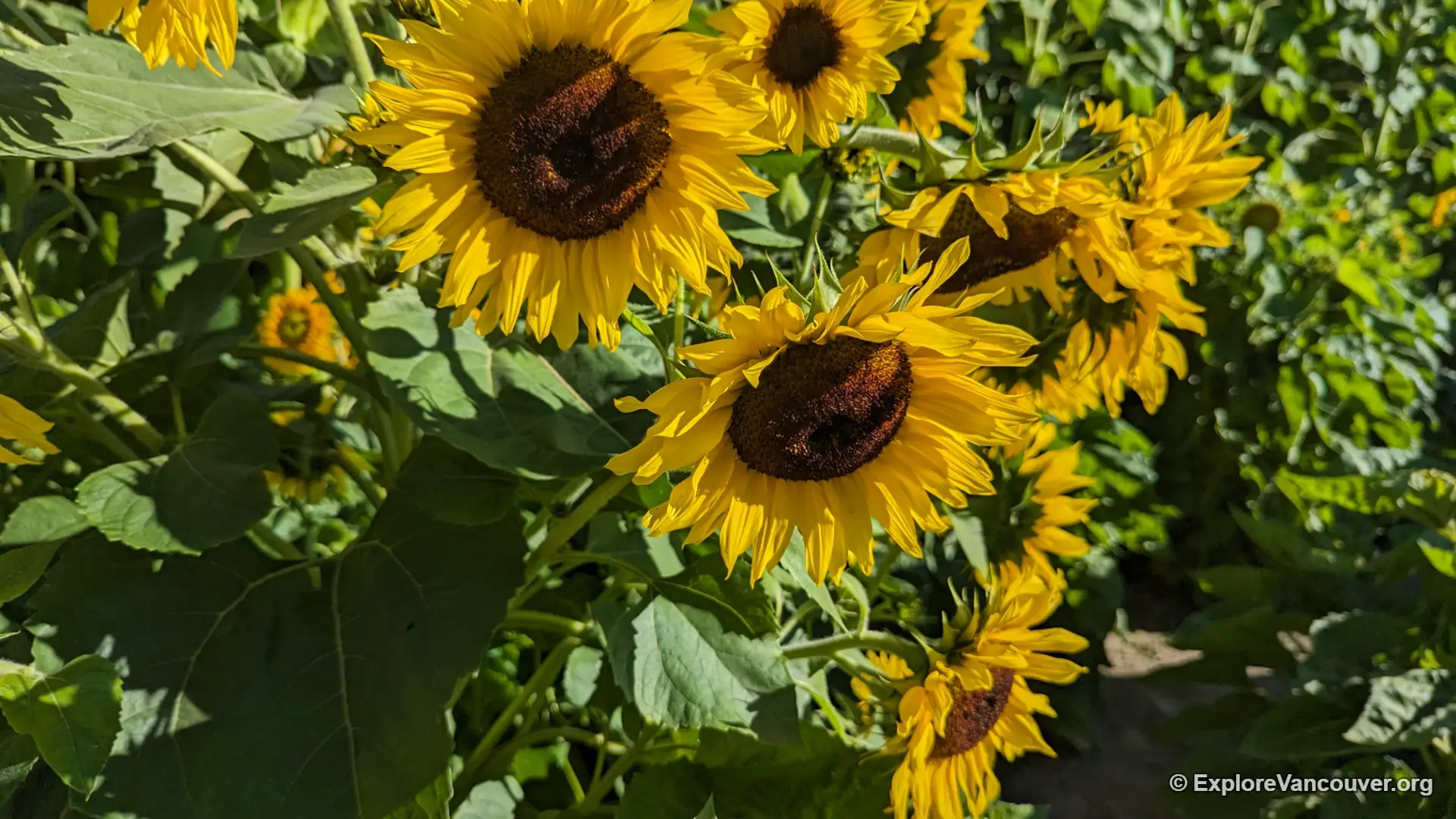
Sunflower season
Late summer brings a pick-and-photo season on the farms nearby. See the Richmond Sunflower Festival guide for details.
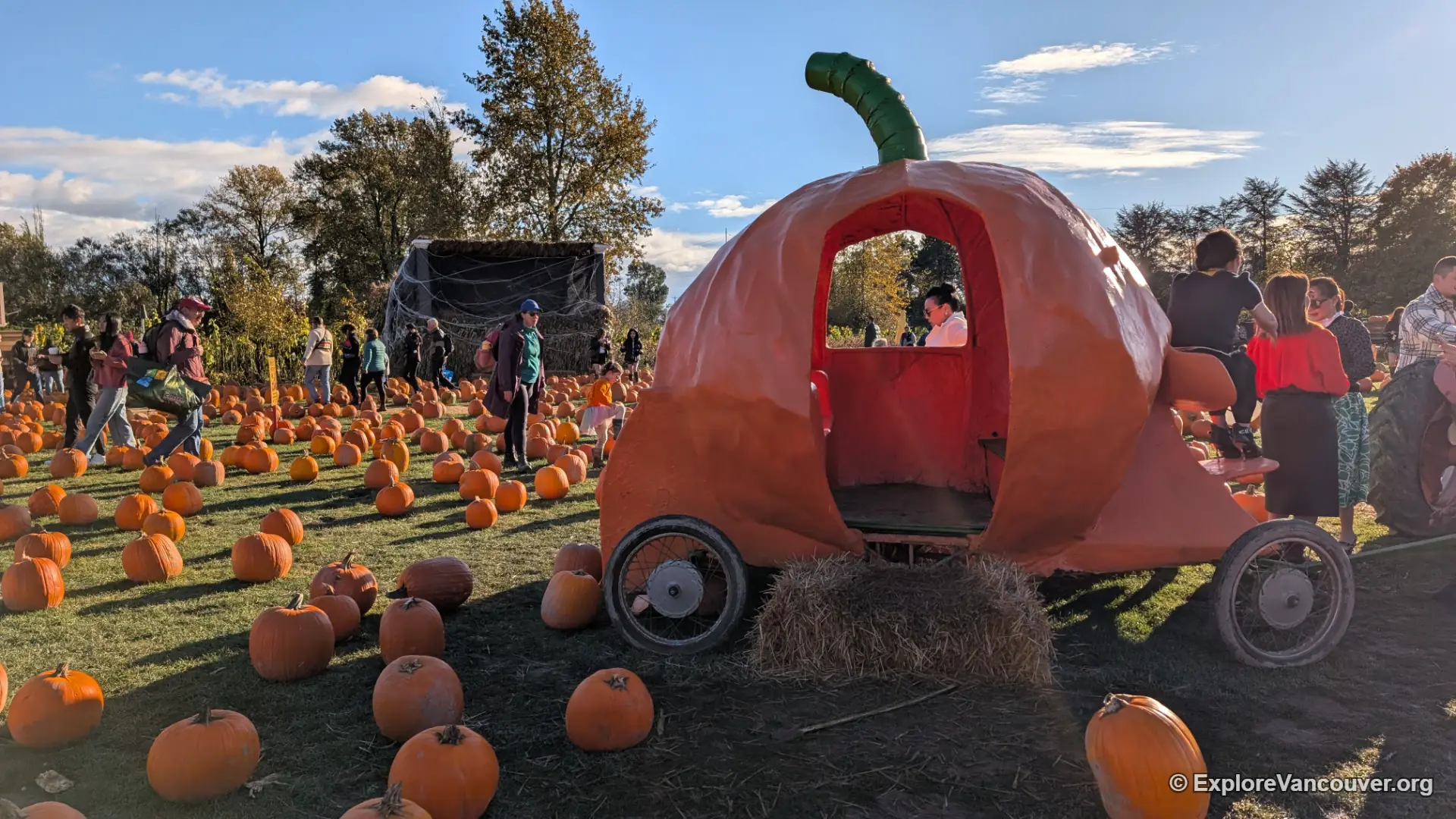
Fall foliage and harvest
Mid October brings the best colour, plus pumpkin patches and farm outings around the region.
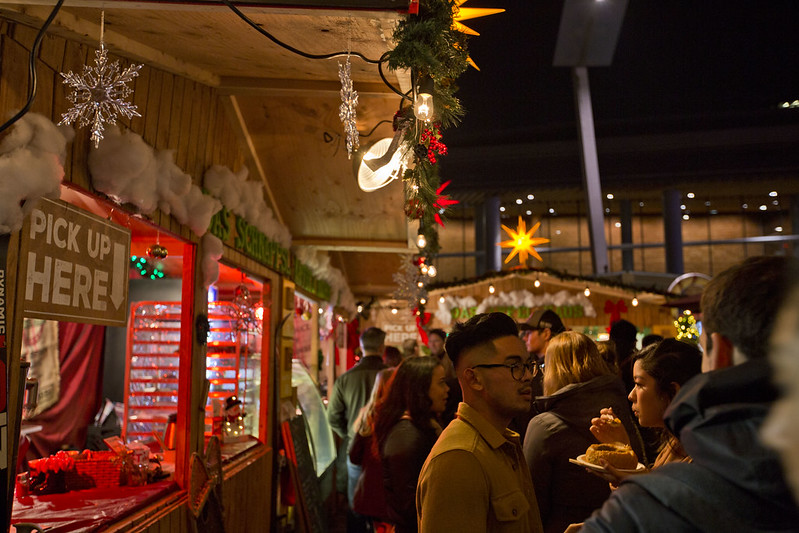
Holiday lights and markets
Late November through December. Start with the Vancouver Christmas Market.
Ski season: typically December to March on the North Shore mountains, depending on snowfall each year. Check each mountain for current conditions before you book.
Event dates change every year. Browse our festivals and events page and the latest monthly guide, such as what’s happening in Vancouver in June, before you lock in your dates.
Tips for Choosing Your Dates
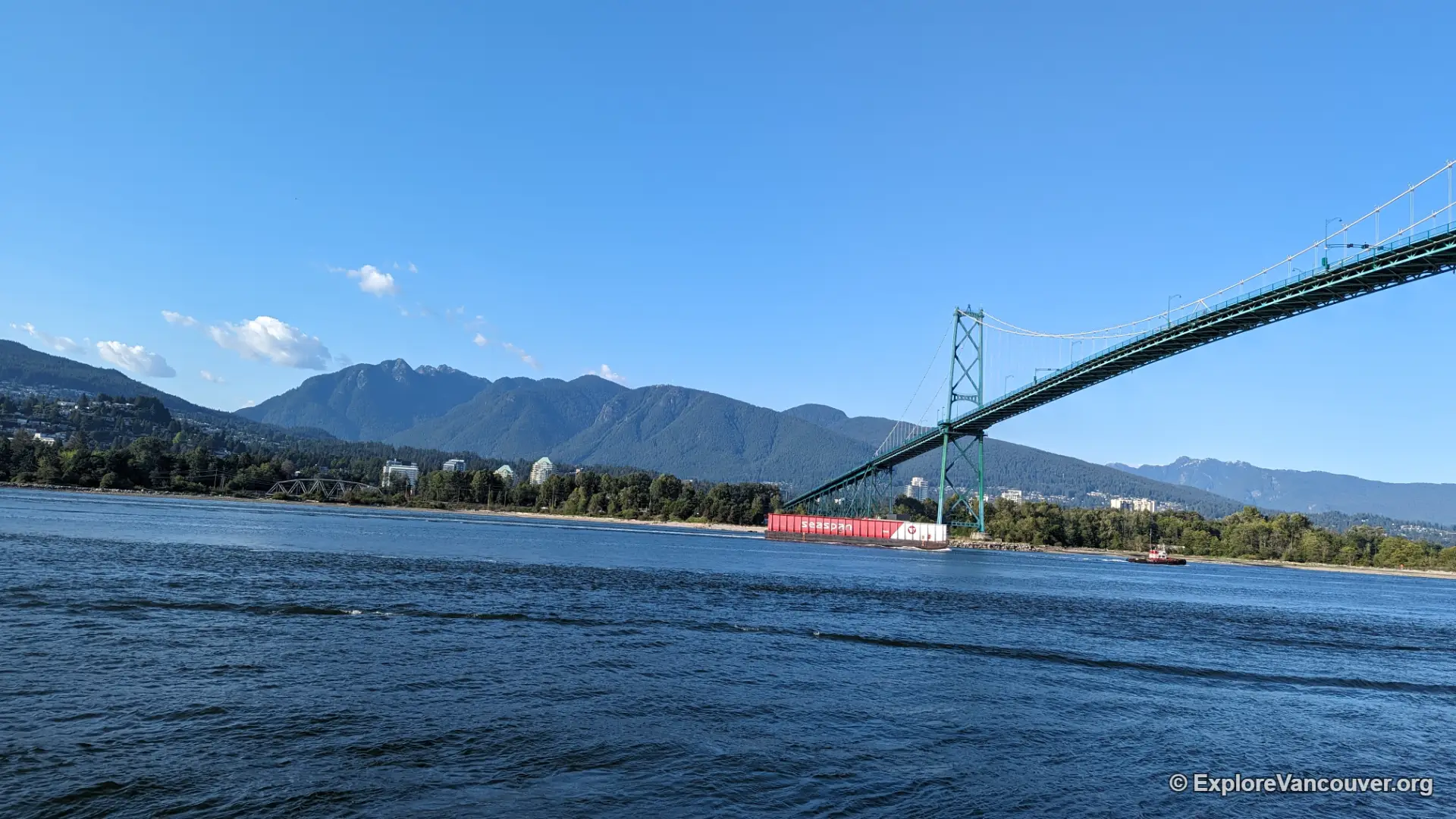
- Pick your priority first. Decide whether weather, price, crowds or a specific event matters most, then choose the season that fits.
- Book early for peak months. July, August and holiday weekends fill up first, especially near Canada Place and downtown.
- Add buffer days. Weather on the coast can change quickly, so avoid packing every outdoor activity into a single day.
- Check mountain conditions. Clear skies in the city do not always mean clear views or open trails at higher elevation.
- Use shoulder seasons. May, June and late September often deliver the best mix of good weather and a calmer city.
- Consider a day trip. Islands and nearby towns are especially rewarding in summer, such as Bowen Island.
Frequently Asked Questions
What is the best month to visit Vancouver?
July and August are the warmest and driest months, which makes them the best choice for beaches, hiking and outdoor events. If you want good weather with fewer crowds, consider June or September.
What is the cheapest time to visit Vancouver?
Accommodation is generally most affordable from November to March, outside the winter holidays and busy ski weekends. Expect more rain in exchange for lower demand. Always check current rates with official booking sources.
When do the cherry blossoms bloom in Vancouver?
Cherry blossoms usually bloom from late March to mid April. The exact timing changes each year with the weather, so check local bloom updates before planning a trip around them.
Does it rain all the time in Vancouver?
No. Rain is concentrated between October and March, and summers are dry and sunny. July and August see very little rain, while November to January are the wettest months.
Is Vancouver worth visiting in winter?
Yes. Winter offers skiing and snowboarding on the nearby mountains, holiday lights and markets, cozy cafes and lower crowds. The city itself is mild but damp, so pack waterproof layers.
When is the best time to see fall colours in Vancouver?
Mid October to early November is usually the best window for fall colours in city parks and on forest trails. Peak colour depends on the weather that year.
When can you ski near Vancouver?
The local mountains typically offer skiing and snowboarding from around December to March. Each ski area sets its own schedule based on snowfall, so check current conditions before you book.
Ready to Plan Your Vancouver Trip?
Once you have picked your season, use our guides to build the days around it.