
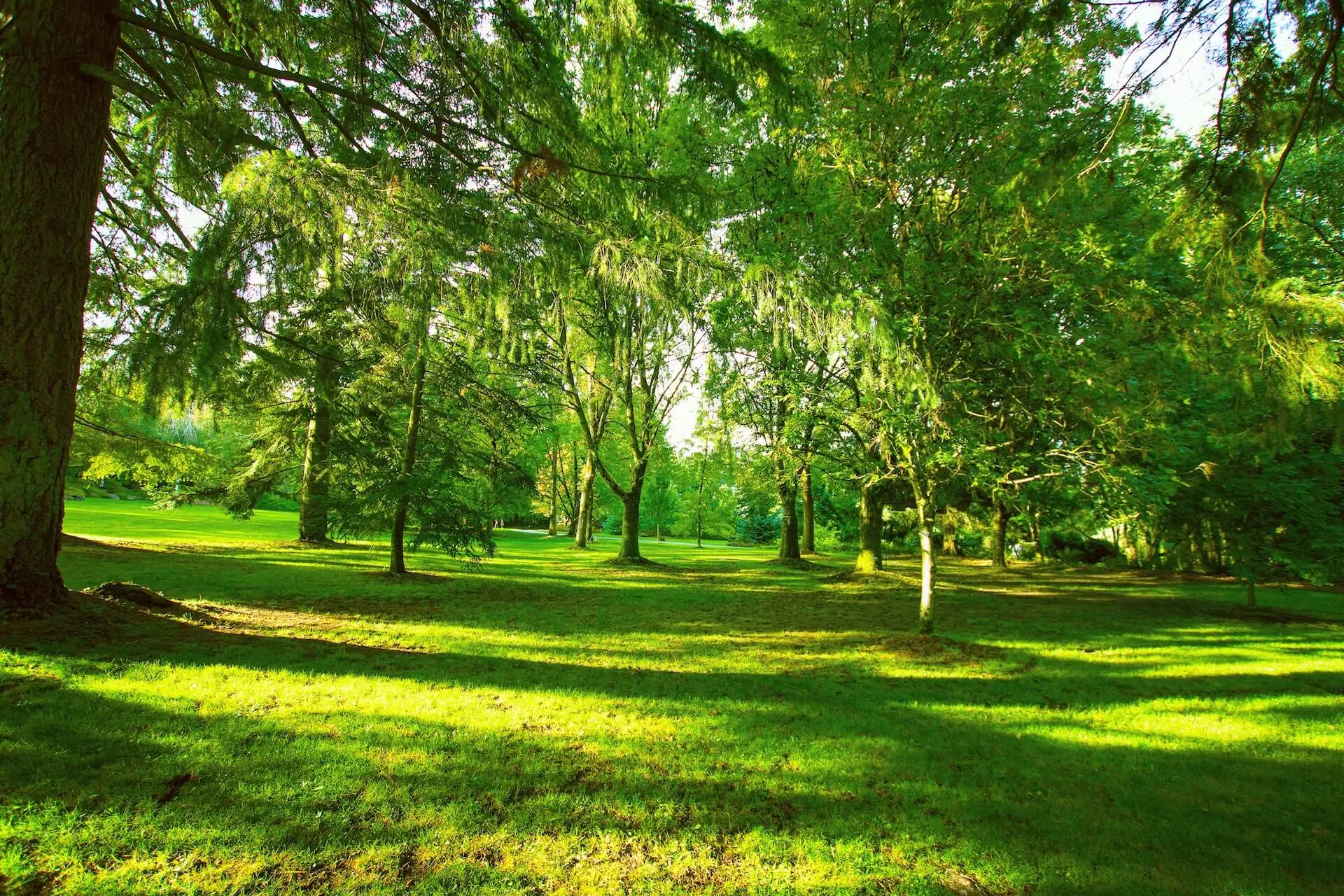
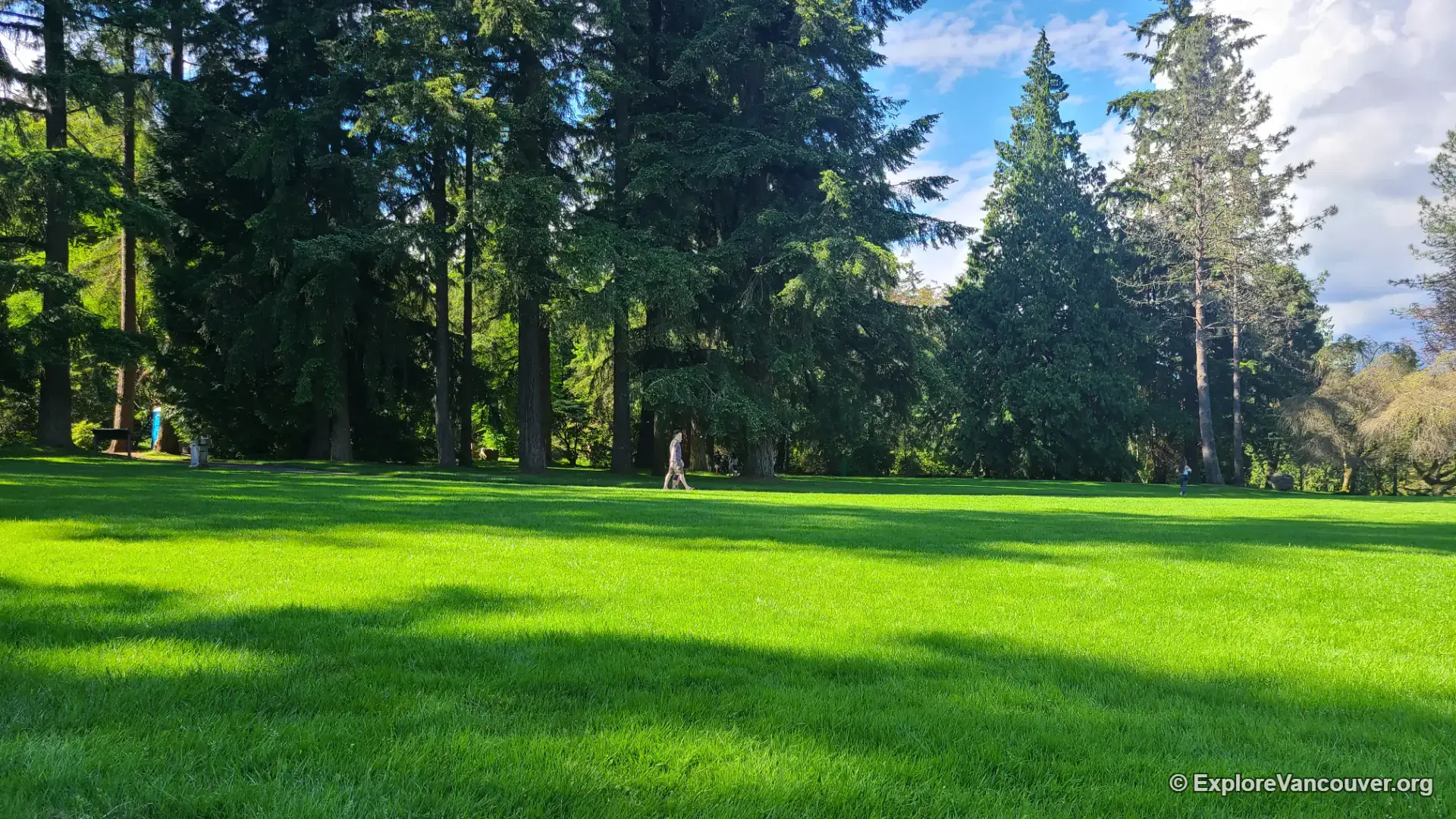
Tucked into the Shaughnessy neighbourhood on Vancouver’s west side, VanDusen Botanical Garden is one of those rare city spaces that manages to feel both meticulously curated and genuinely wild. Across 55 acres, more than 7,500 plant species and varieties from every inhabited continent grow alongside quiet lakes, rolling lawns, and a maze that has been confusing visitors happily since the early 1980s. It is a garden built for slow mornings, long walks, and the kind of unhurried curiosity that a big city rarely leaves room for.
From Golf Course to Garden
The land VanDusen now occupies has a longer history than the garden itself. For much of the twentieth century it was home to the Shaughnessy Heights Golf Club, leased from the Canadian Pacific Railway and home to Vancouver’s first 18-hole course. When the club relocated in the early 1960s, the CPR considered selling the land for development, and a group of concerned residents pushed back, campaigning instead for a public garden.
Forestry executive and philanthropist Whitford Julian VanDusen became the project’s key benefactor, and after four years of development the garden opened to the public on August 30, 1975. Opening day featured a performance by the Kitsilano Boys Band and admission set at a single dollar. Long-time curator Roy Forster shaped much of the garden’s plant collection between 1977 and 1996, and his work still defines the character of VanDusen today.
Seven Regions, One Garden
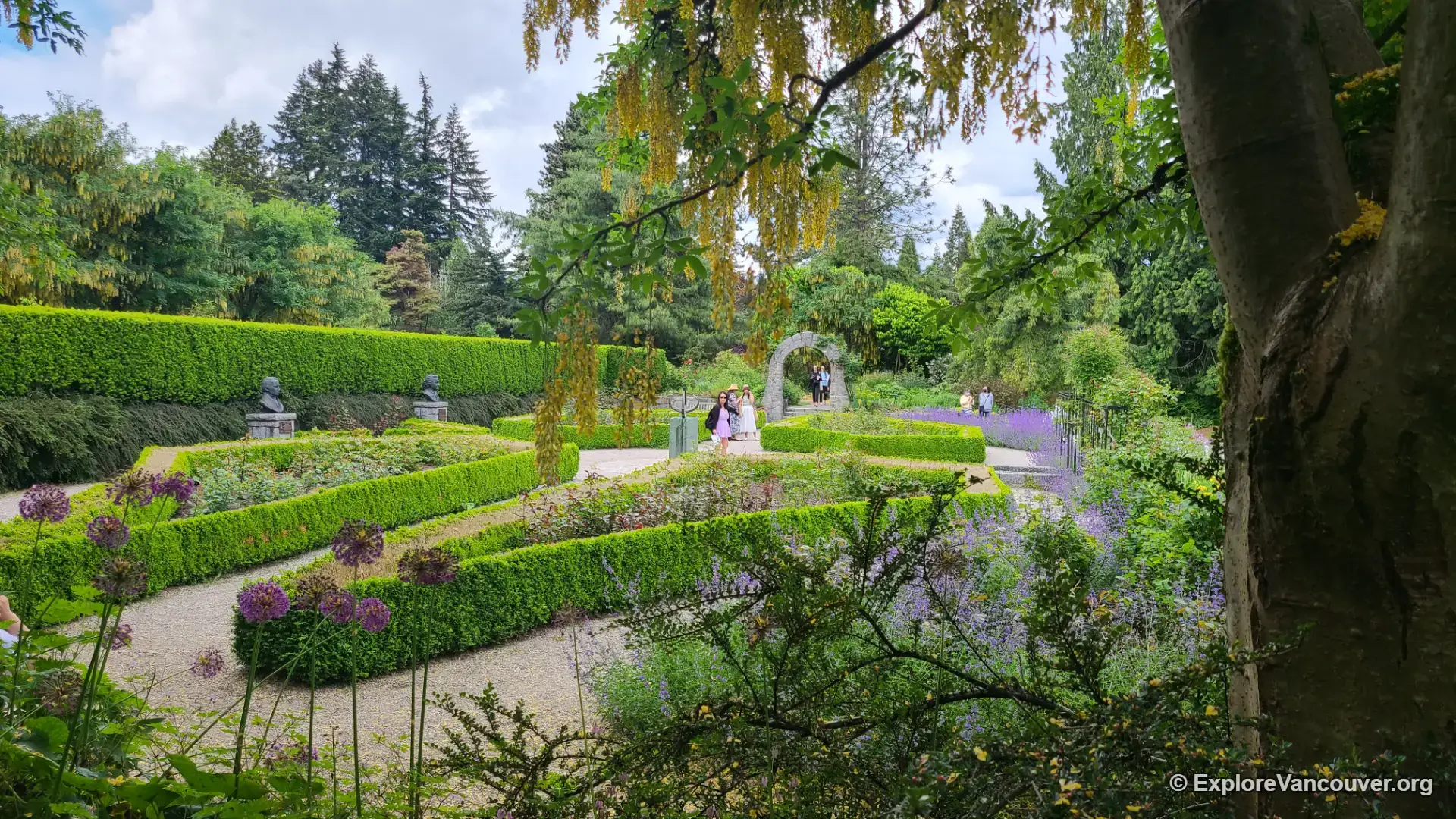
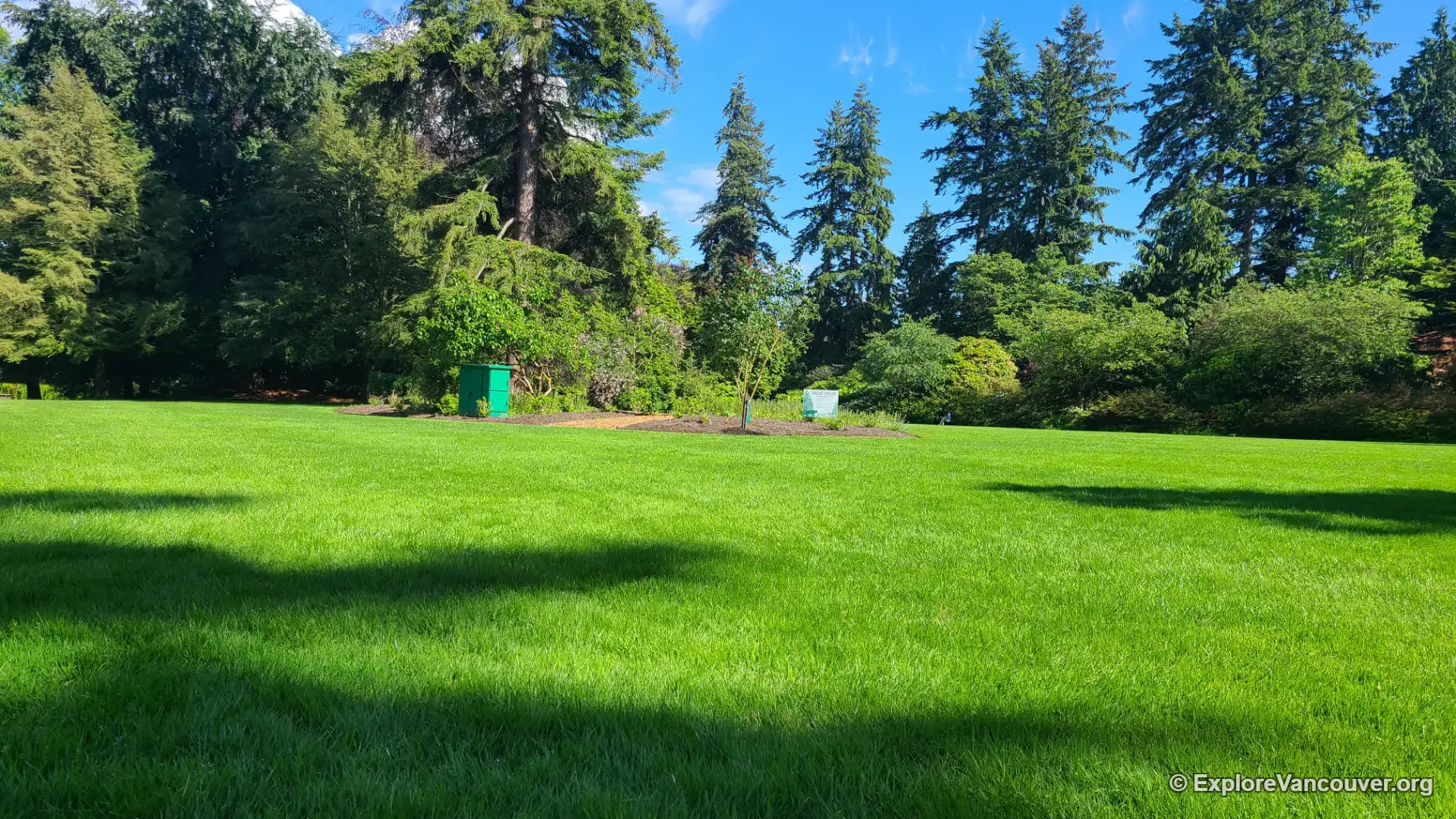
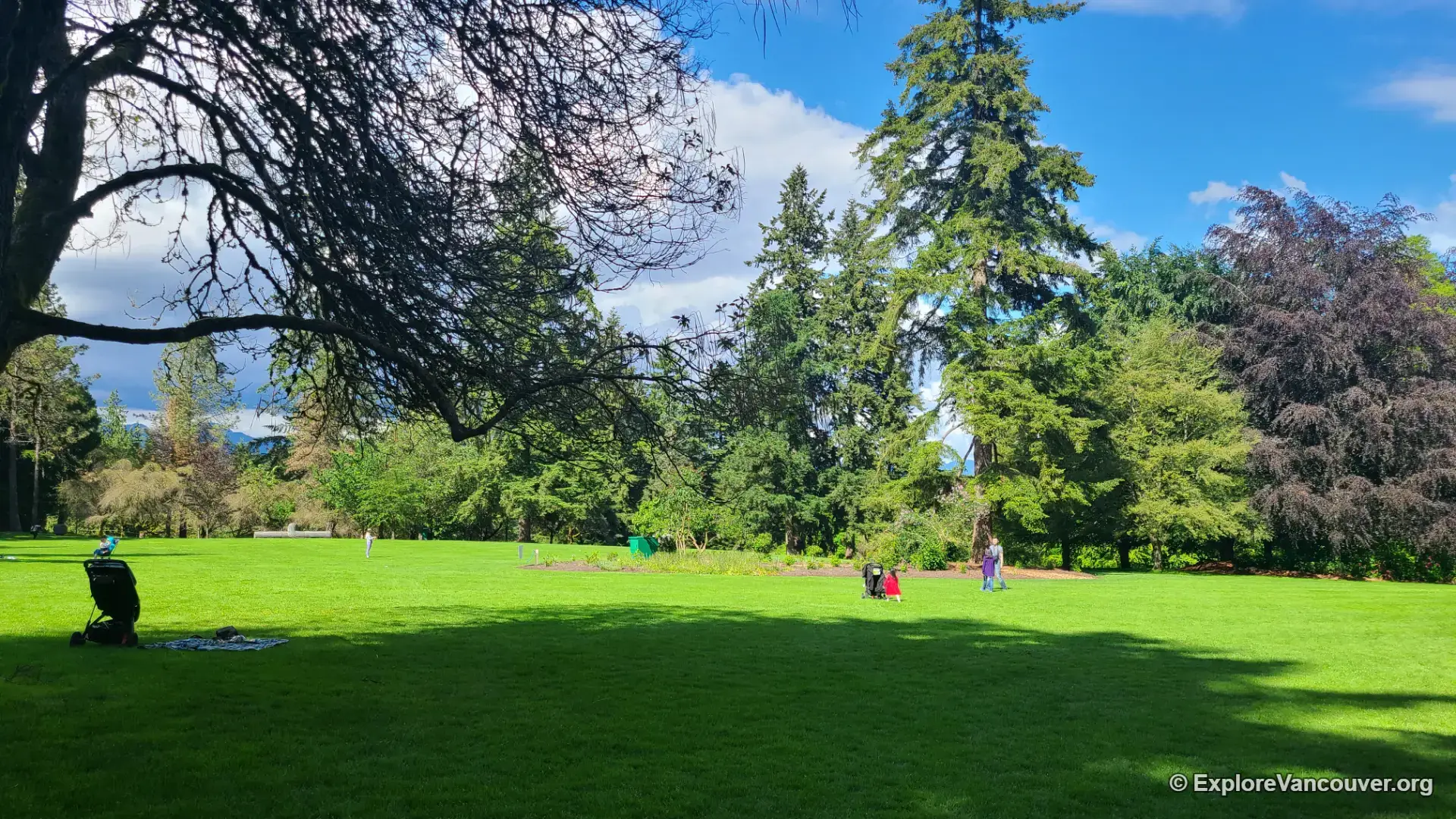
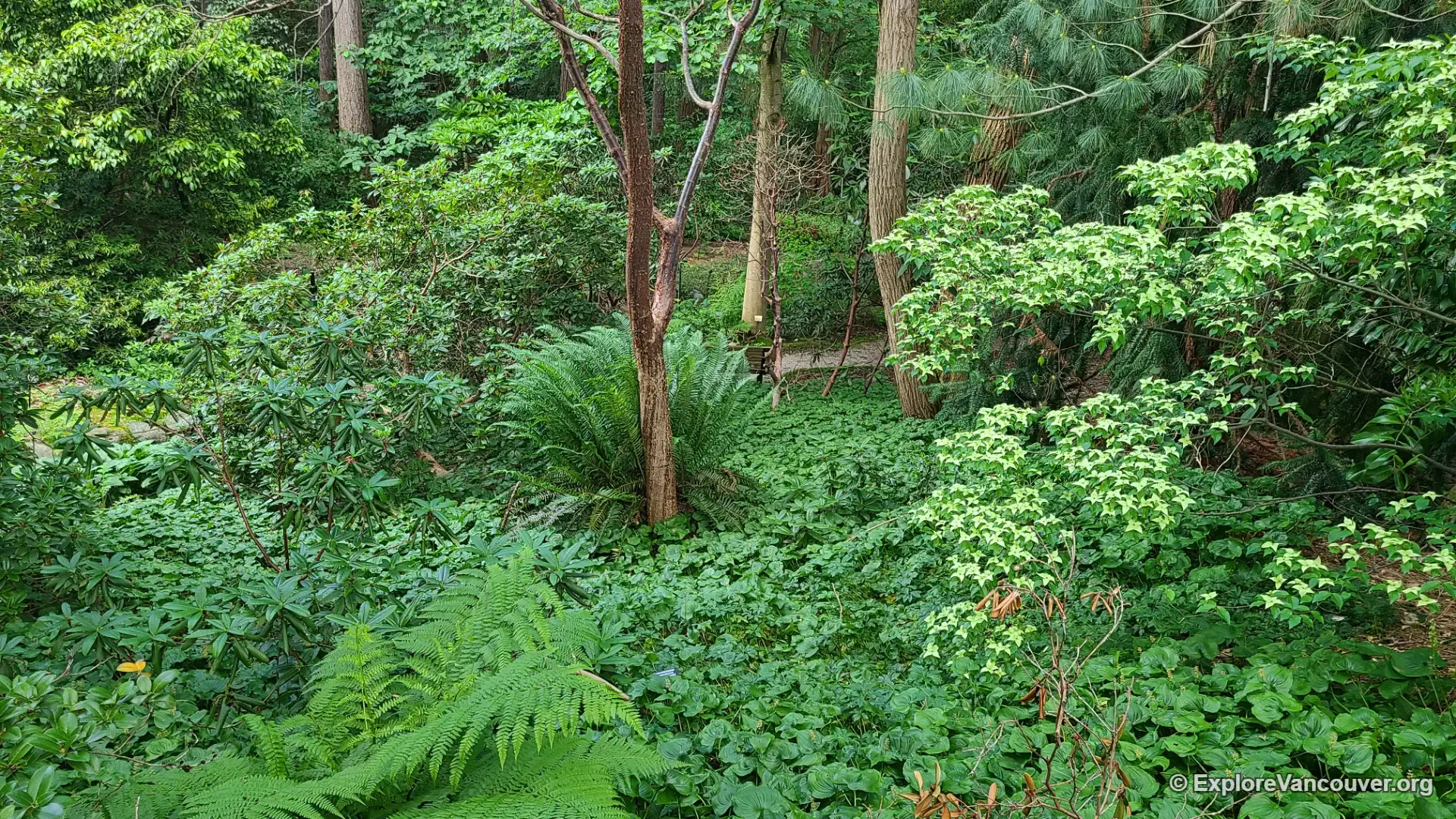
What sets VanDusen apart from a typical city park is the scope of what’s actually planted here. The collections are arranged by geographic region, so a single afternoon walk can take you past Himalayan rhododendrons, Australasian eucalyptus, Sino-Himalayan magnolias, and native British Columbia conifers without ever leaving the property. Seventy distinct plant collections are spread across the grounds, each one tended with an eye for how the plants actually grow together rather than how they look in isolation.
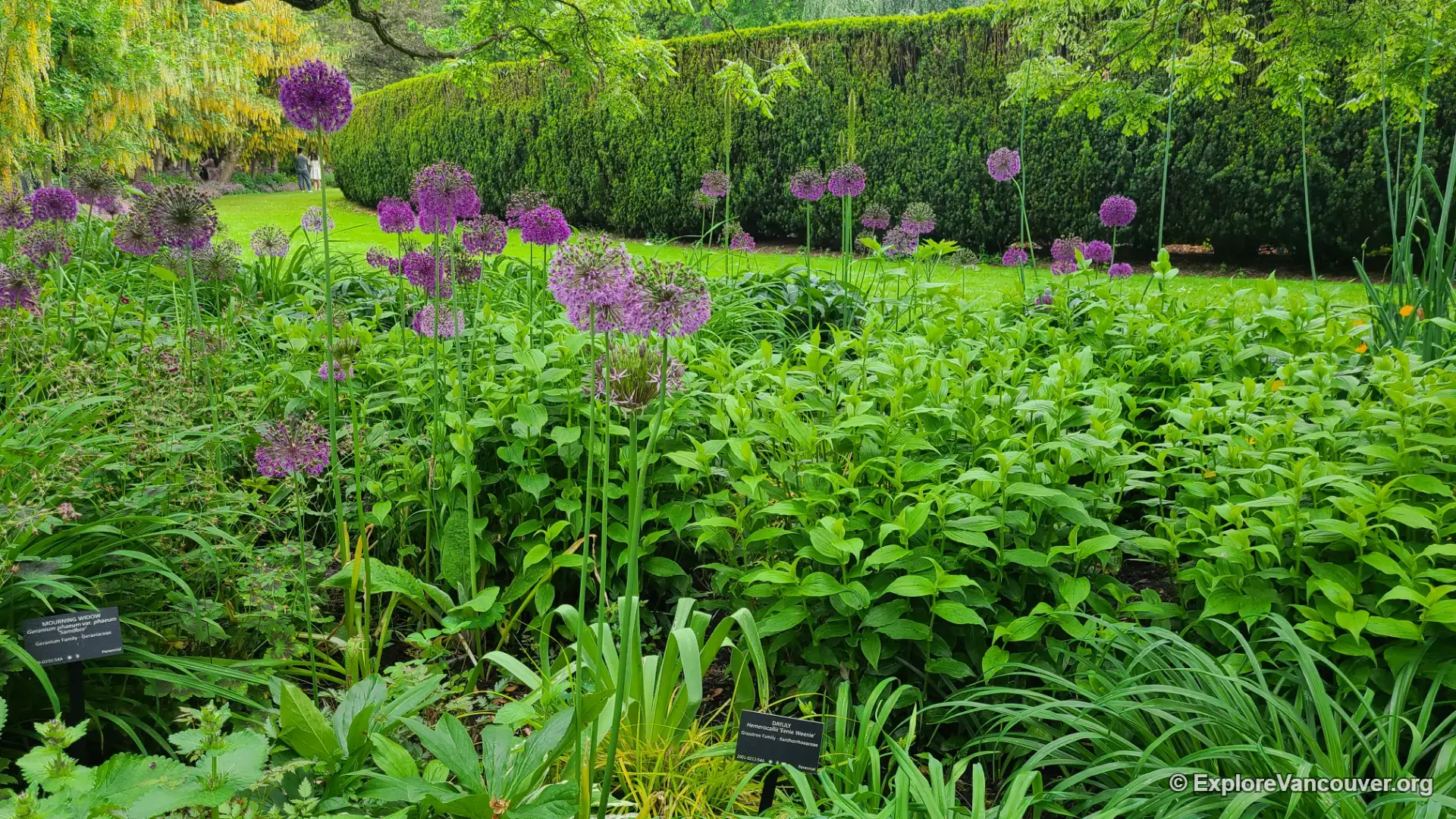
Because the plantings favour perennials, shrubs and trees over neat rows of annuals, the garden changes character through the seasons instead of peaking for a single month. Rhododendrons and magnolias dominate spring, roses and perennial borders carry the summer, and by autumn the maples and Katsura trees turn the paths gold and copper.
Bring at least two hours. The garden’s paths loop and cross often enough that a quick lap isn’t really possible, and most visitors end up spending closer to three hours once they’ve found the maze, the lake, and a bench worth lingering on.
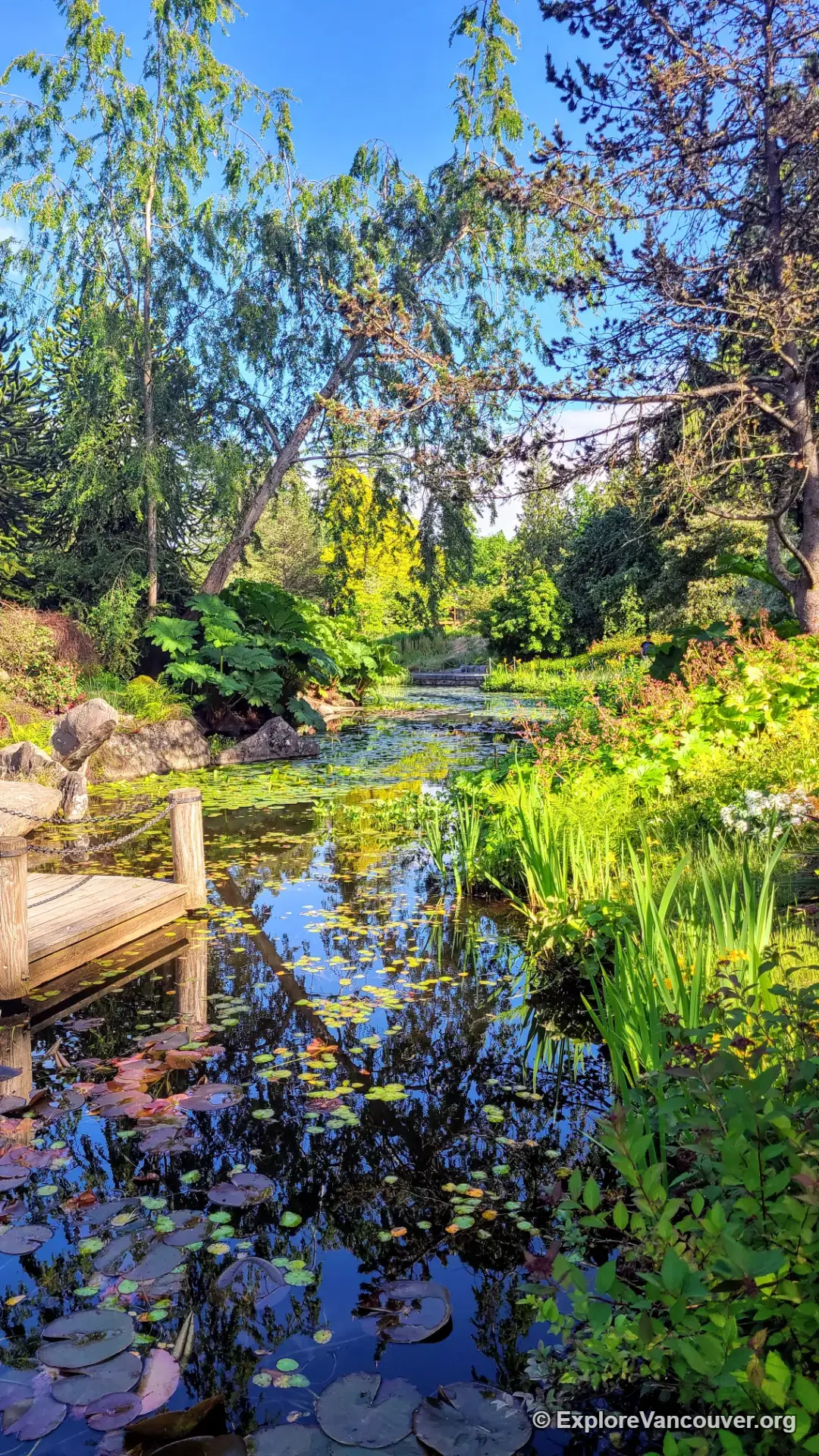
Livingstone Lake
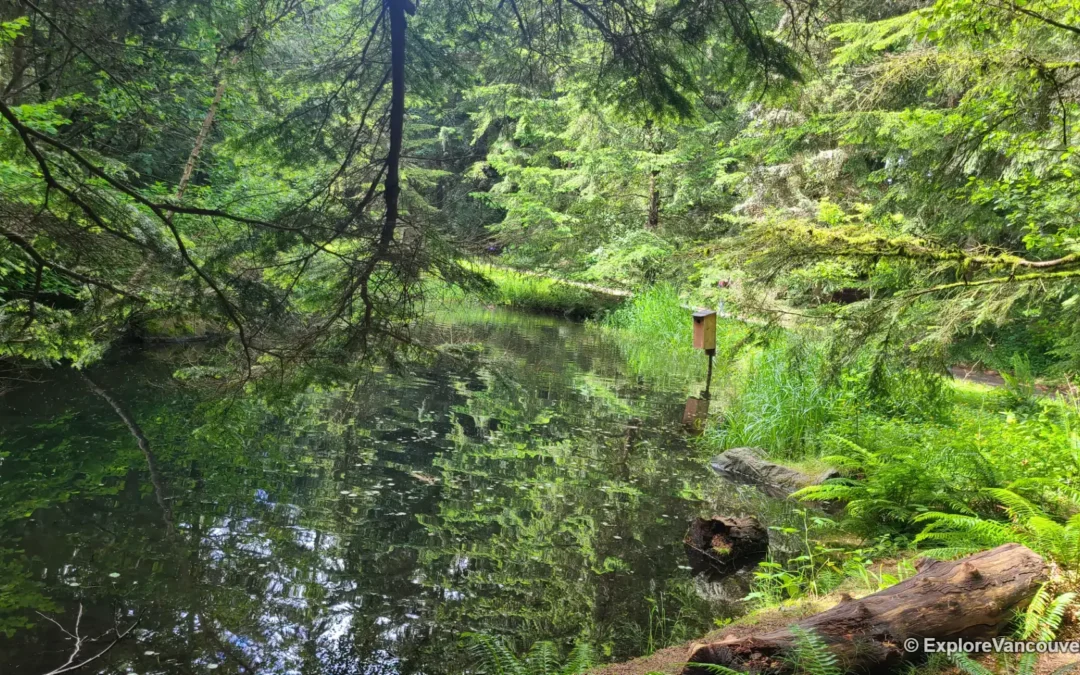
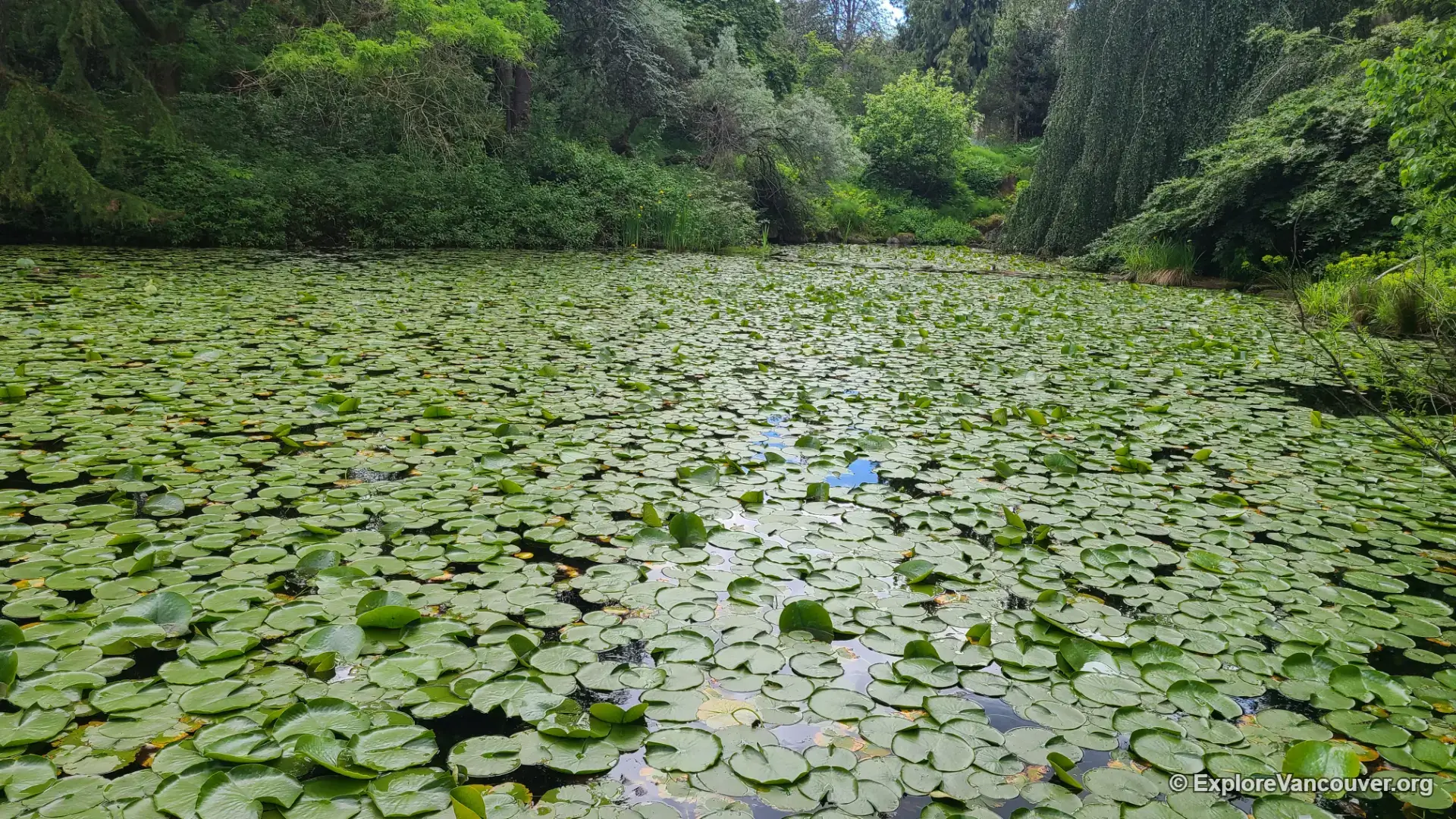
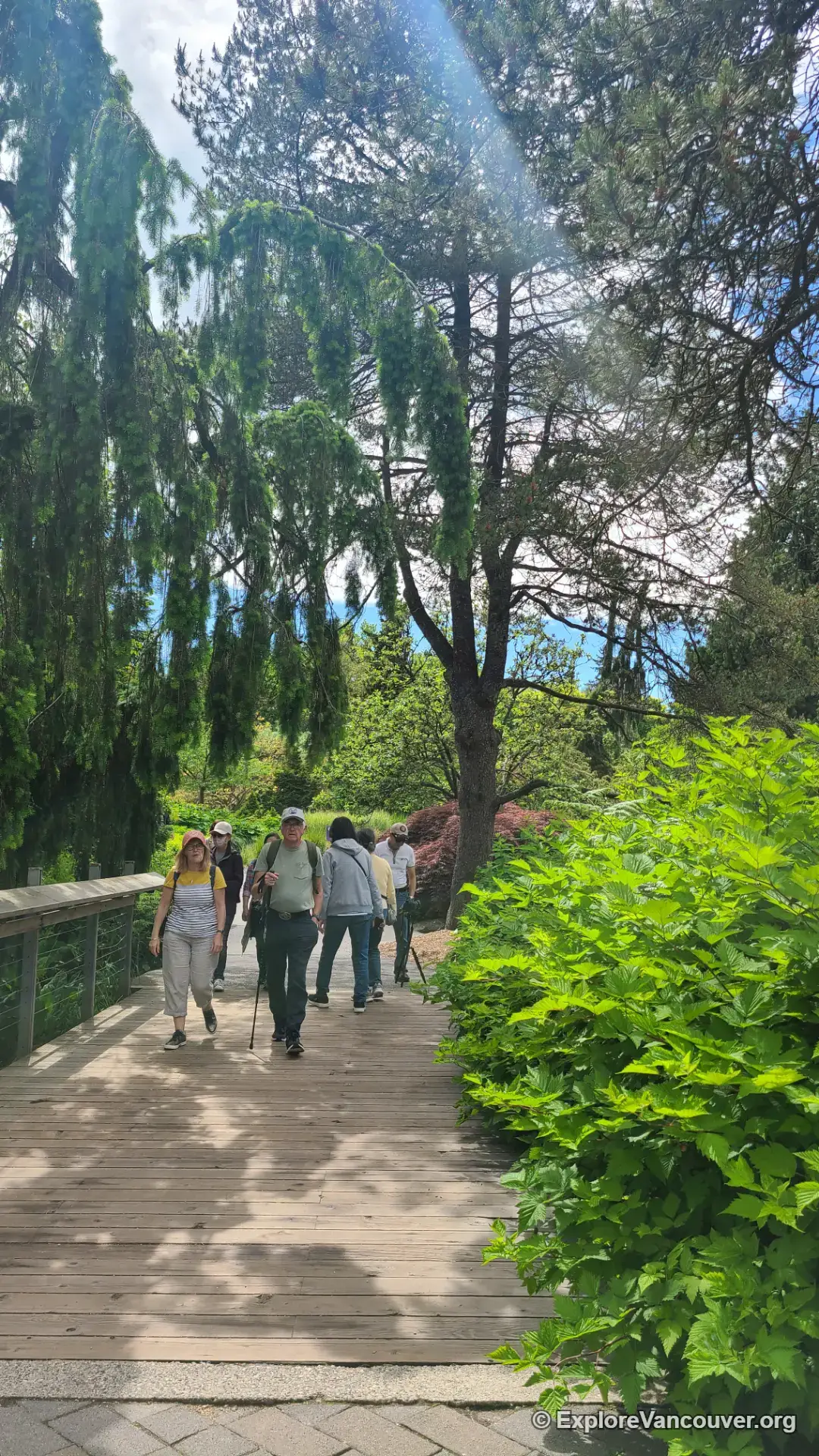
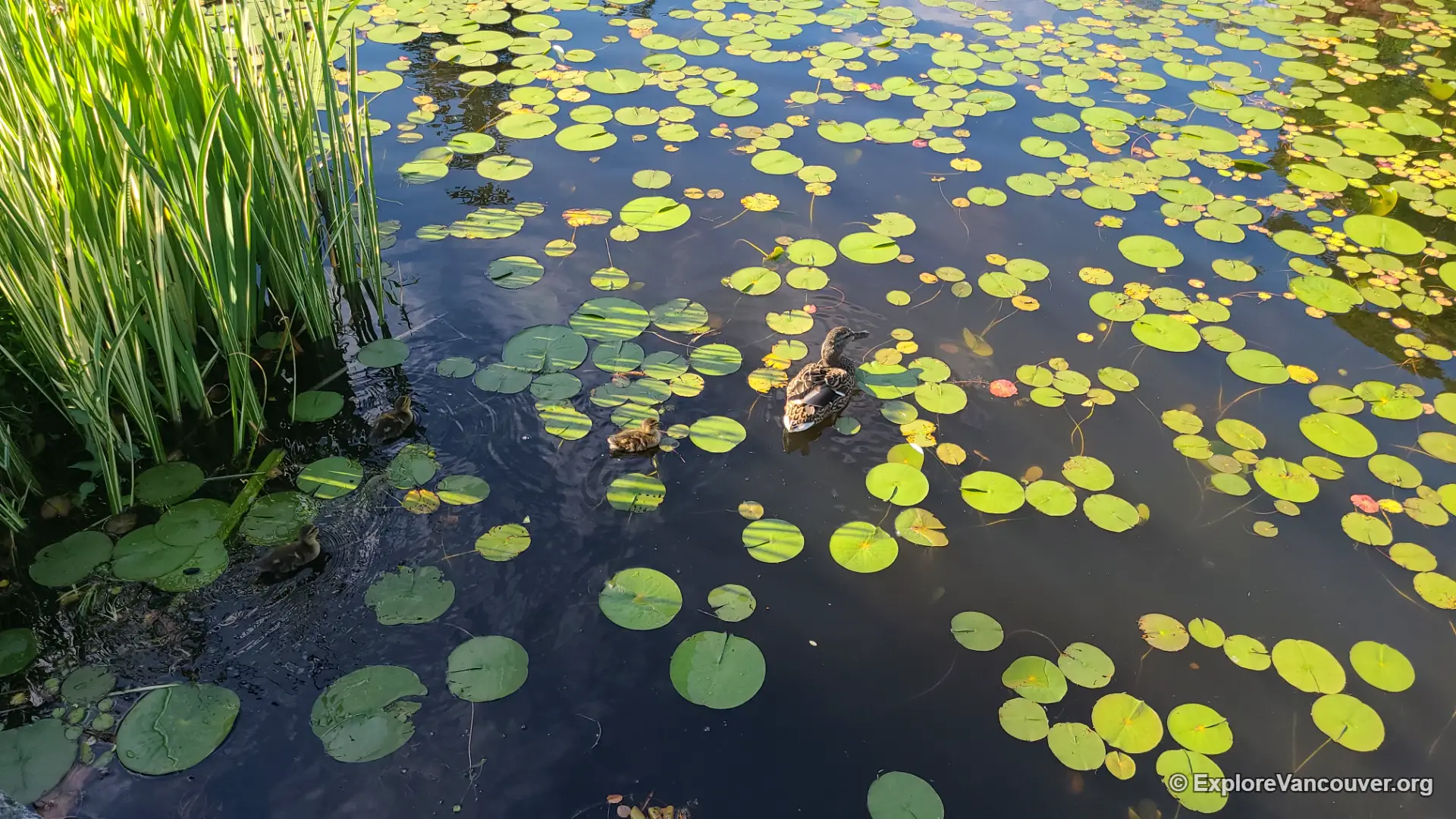
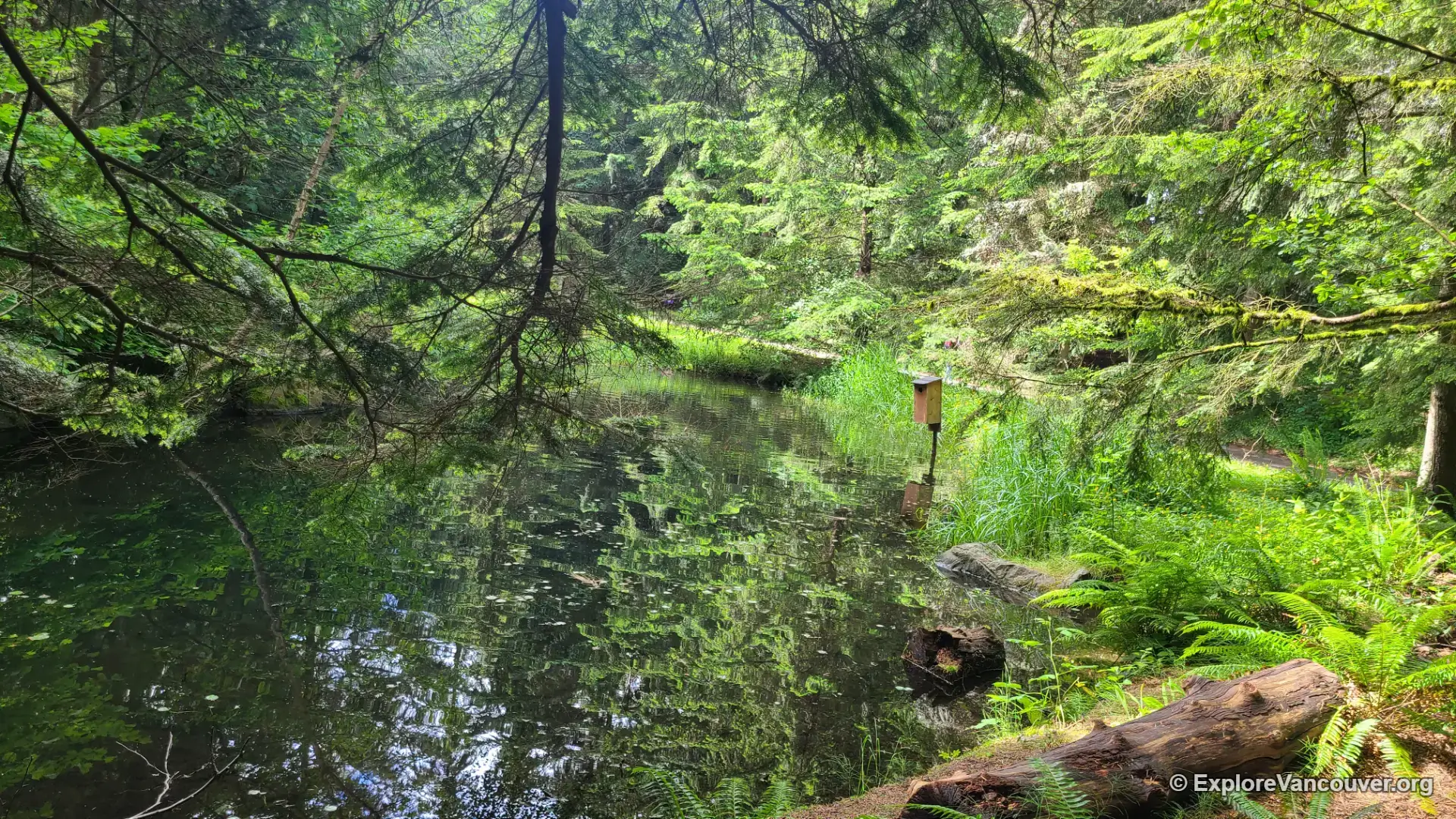
Named for W.C. Livingstone, who oversaw the garden’s original landscape construction, Livingstone Lake anchors the eastern side of the property. Its shoreline was shaped with the same rockwork that defines much of VanDusen’s original 1975 design, and today it draws a steady rotation of ducks, herons, and other waterfowl that seem entirely unbothered by the visitors watching them from the footbridge.
The lake is one of the quieter corners of the garden, and a good spot to slow down if the rest of the grounds start to feel busy, particularly on weekend afternoons when the paths near the entrance fill up.
The Elizabethan Hedge Maze
Planted in the autumn of 1981, VanDusen’s hedge maze is made from roughly 3,000 pyramidal cedars grown tall enough that getting genuinely lost is entirely possible. It’s the garden’s most photographed feature and, unsurprisingly, its biggest draw for kids, though plenty of adults get turned around in there too. An observation terrace nearby lets less adventurous visitors watch the chaos unfold from a safe, dry-shoed distance.
The maze design borrows from a long European tradition of hedge labyrinths built more for delight than difficulty, and it fits neatly into VanDusen’s broader habit of mixing serious horticulture with genuine playfulness.
Sculpture Among the Trees
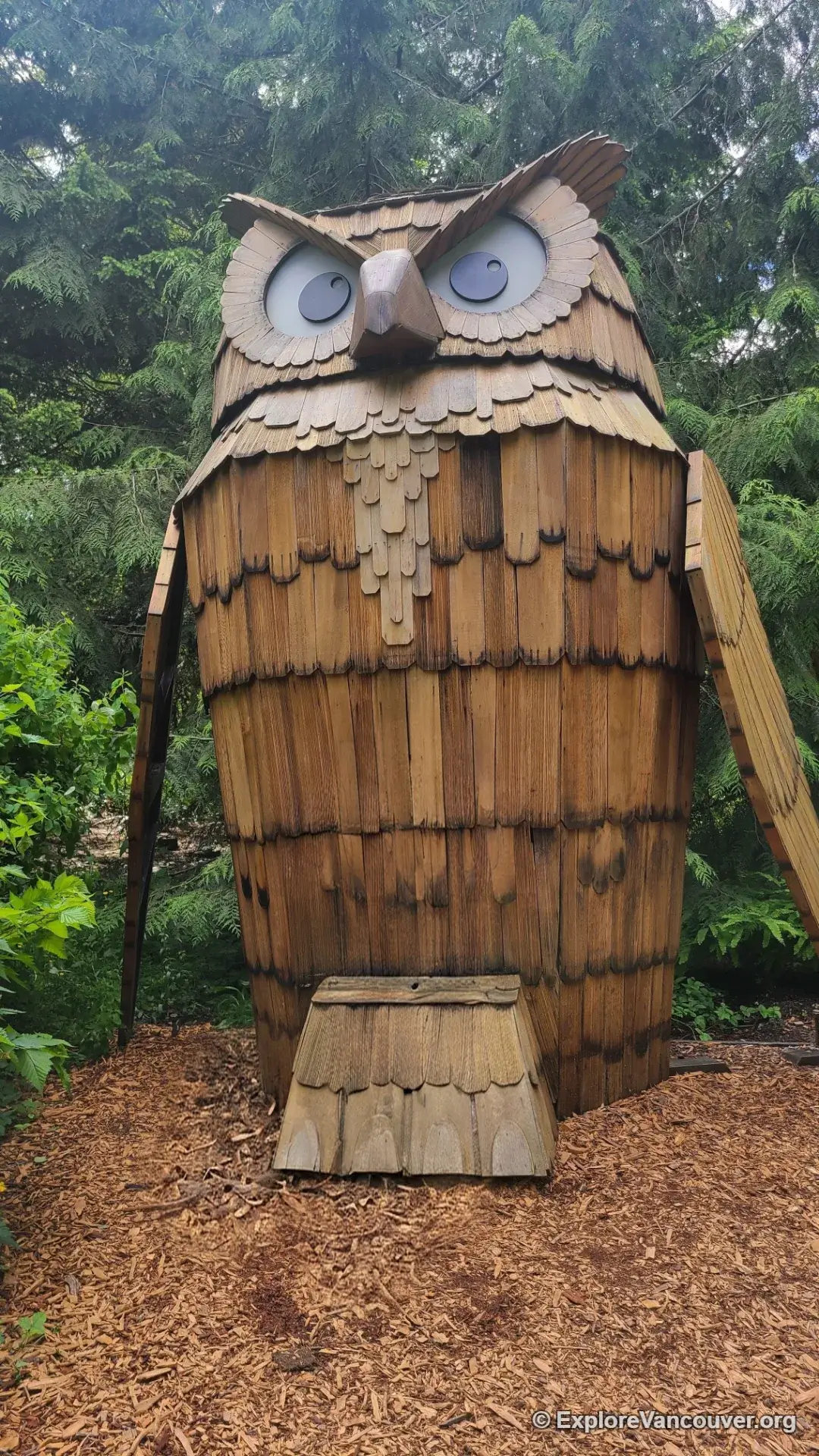
Scattered throughout the garden is a collection of large-scale sculptures, many of them dating back to the 1975 Vancouver International Stone Sculpture Symposium, when twelve international artists spent the summer carving marble and travertine on site with students from the Vancouver School of Art. Additional pieces have been added over the decades as gifts and commissions, and the garden’s giant owl sculpture has become something of an unofficial mascot, popular with kids and photographers alike.
The sculptures are placed with the same care as the plantings, tucked into clearings and along sightlines rather than lined up for effect, so stumbling across one usually feels like a small discovery rather than a planned stop.
Streams, Ponds and the BC Habitat Garden
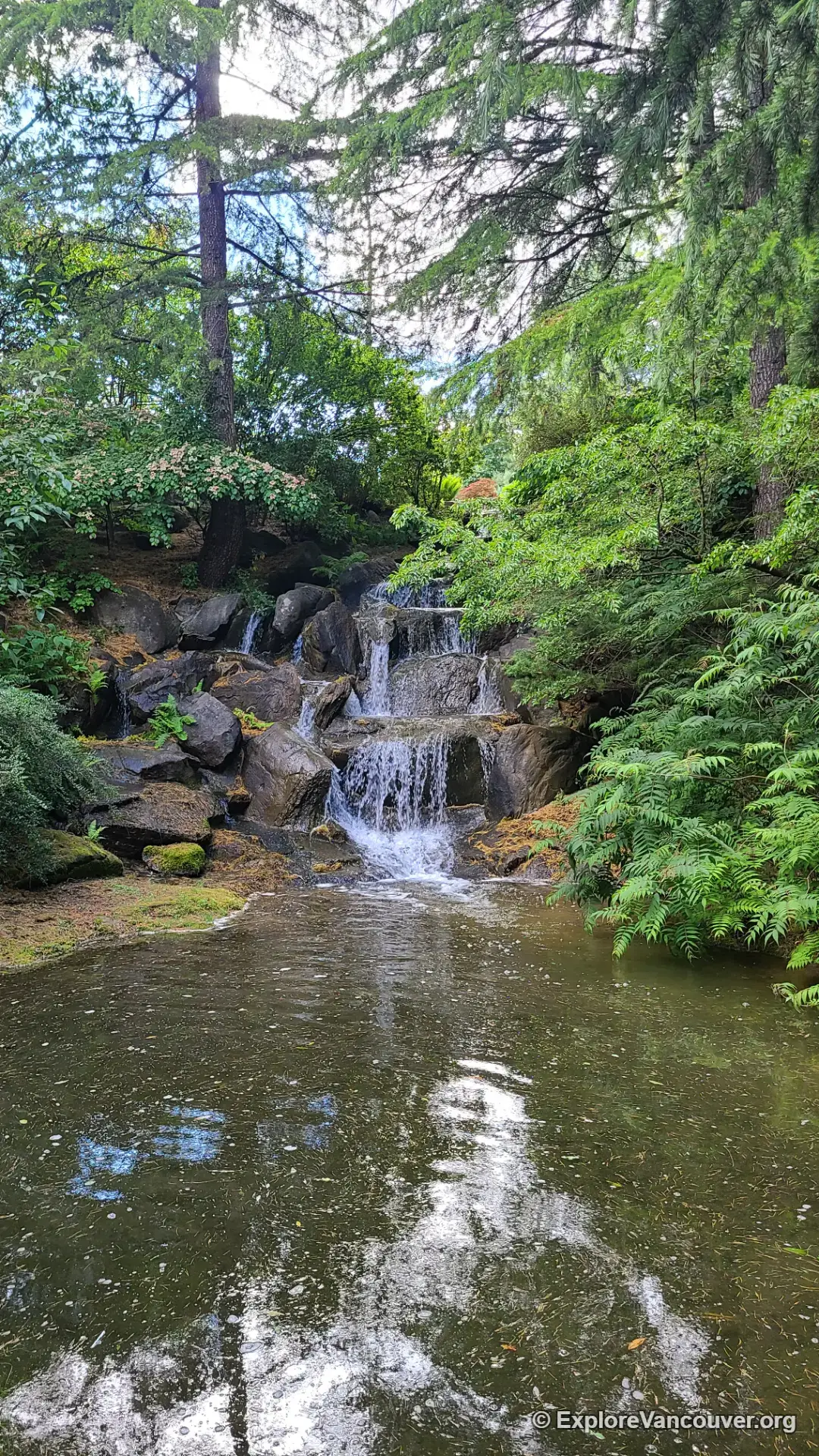
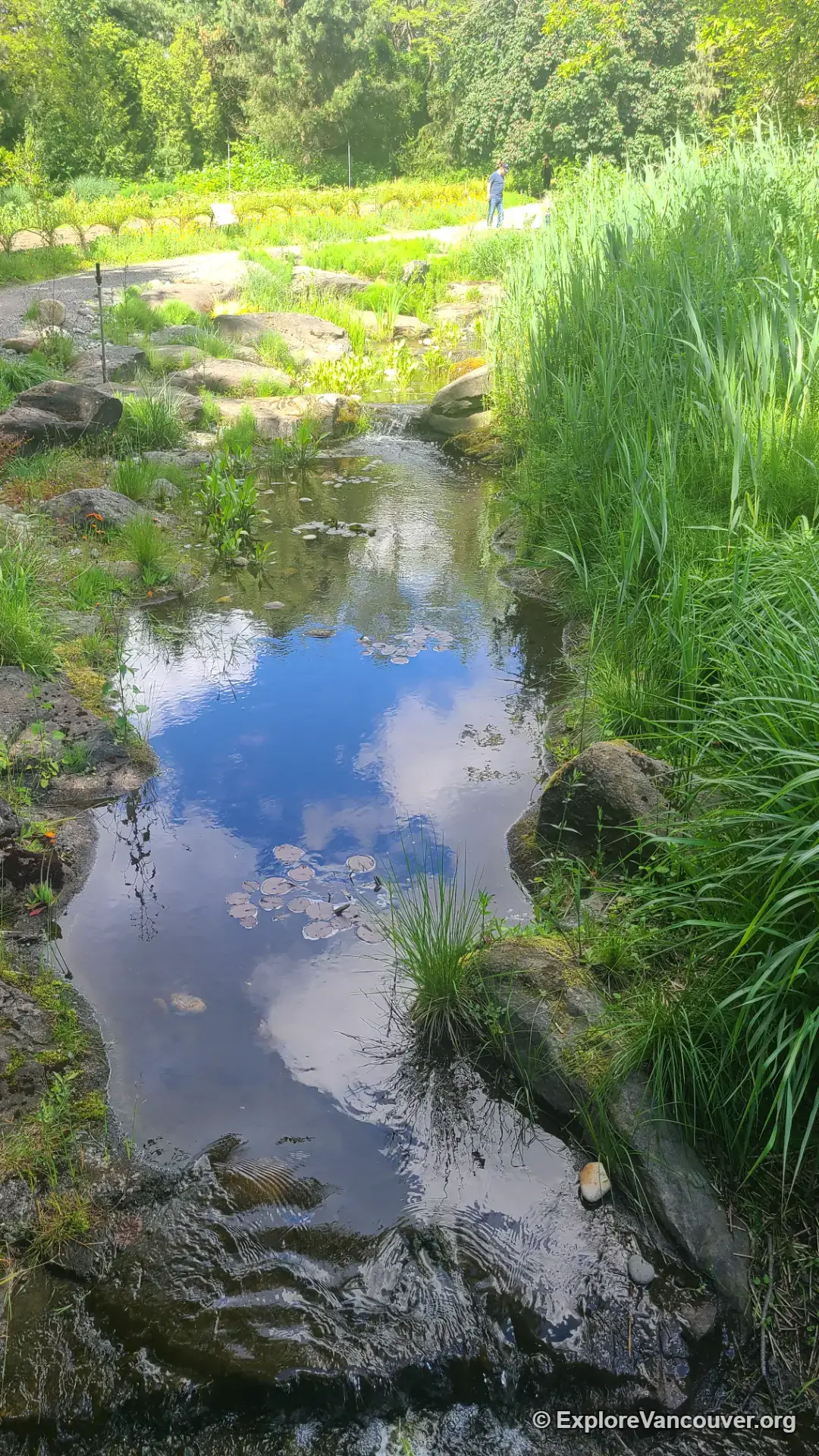
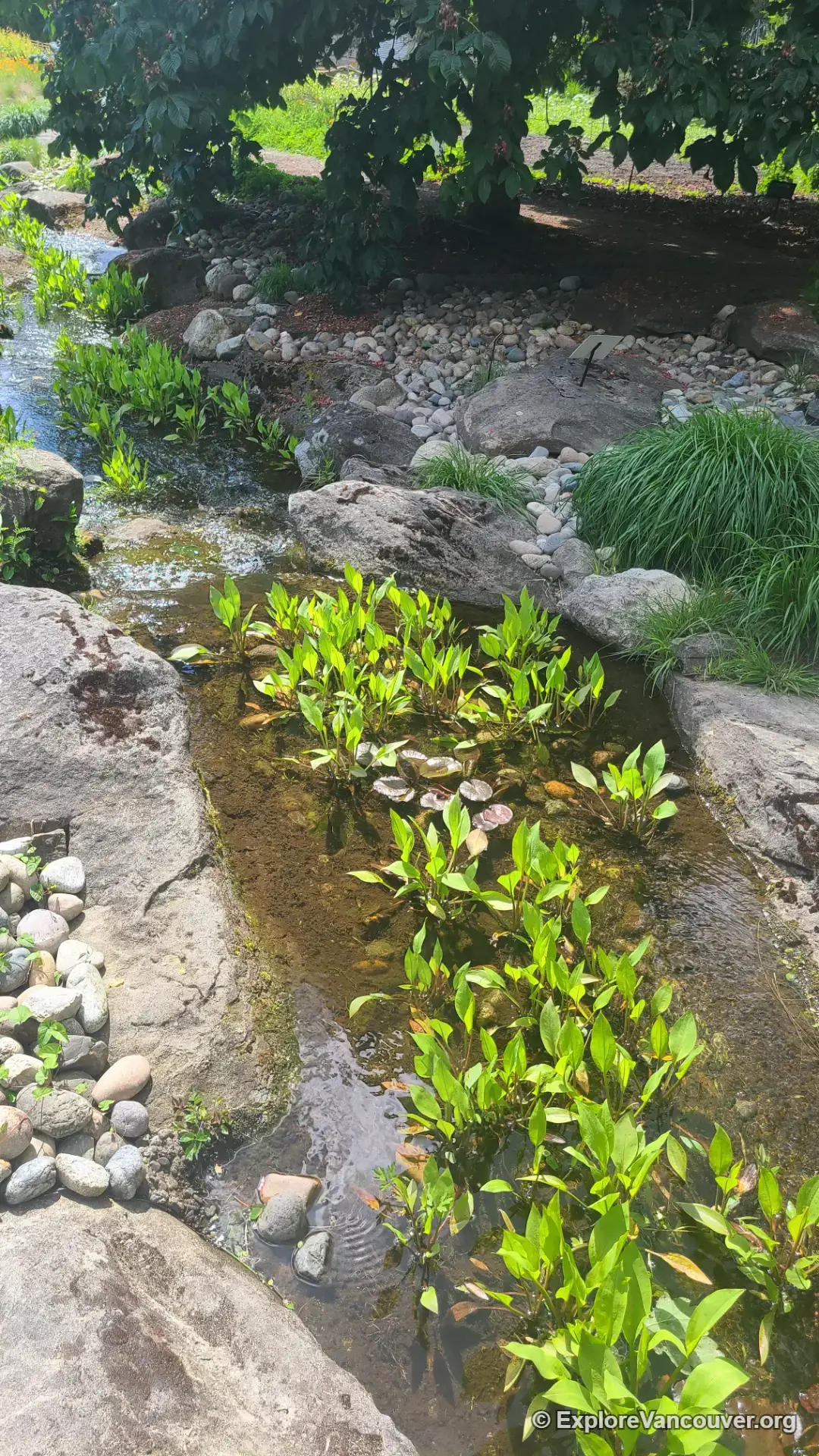
Water runs through nearly every part of VanDusen, from a small cascading waterfall to the quieter ponds tucked near the BC Habitat Garden, a section planted almost entirely with native British Columbia species to show what the region’s own ecosystems look like left largely to themselves. It’s a useful contrast to the more formal international collections elsewhere on the grounds, and a good stop for anyone interested in what actually grows here naturally, wetlands, cedar groves, and all.
The sound of moving water follows you through a good stretch of the eastern paths, which makes this one of the more meditative corners of the garden even when the rest of it is busy.
Pets aren’t permitted inside the garden, aside from working guide and service animals. Hours shift with the seasons, running as short as 10am–2pm in January and February and as long as 9am–7pm in peak summer, so it’s worth checking the current schedule before you head out, especially in the off-season.
VanDusen doesn’t try to impress you all at once. It’s the kind of garden that rewards a second and third visit, when you start noticing the things you walked past the first time.
Seasonal Highlights
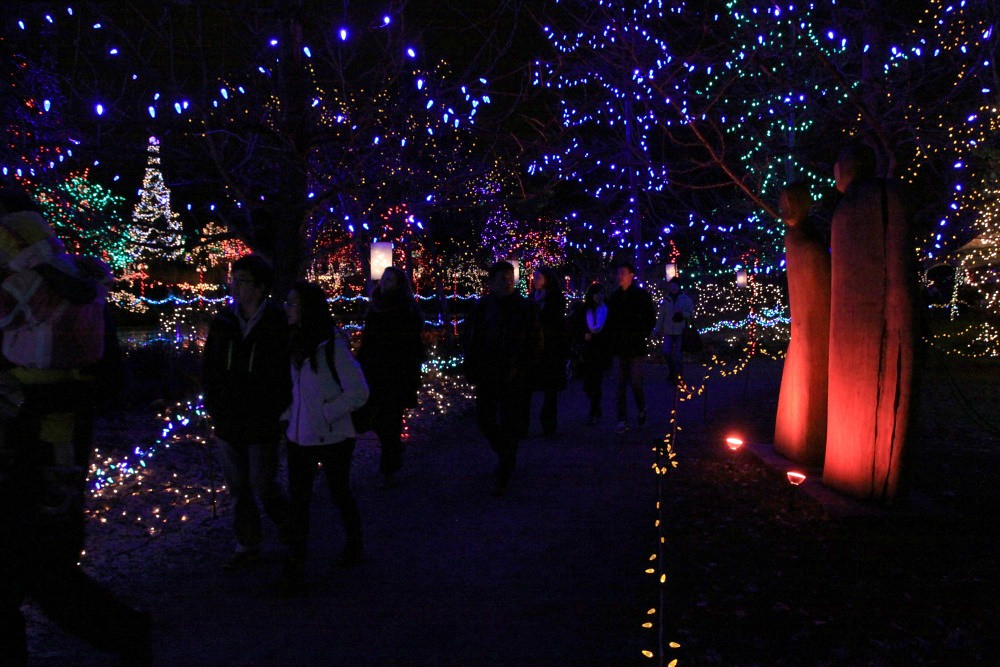
VanDusen changes dramatically with the calendar. Spring brings the rhododendrons and magnolias into full bloom, summer fills the perennial borders and rose garden, and autumn turns the maple and Katsura groves into a slow-burning display of red and gold. Come winter, the garden transforms again for its Festival of Lights, when more than a million lights are strung through the grounds after dark, alongside seasonal music and warm drinks. It’s a separate ticketed event from regular daytime admission, so it’s worth checking dates if that’s the visit you’re planning around.
Admission pricing changes seasonally and by ticket type. Confirm current rates before visiting on the official City of Vancouver VanDusen admission page.
Garden Gallery
Frequently Asked Questions
Most visitors spend two to three hours exploring, though the garden is easily large enough to fill a full morning or afternoon if you want to see the maze, the lake, and the sculpture collection without rushing.
Yes, the garden is open daily throughout the year with the exception of Christmas Day. Hours vary by season, running shorter in winter and considerably longer through the summer months.
The 17 Oak bus stops directly outside the garden’s Oak Street entrance. Alternatively, take the Canada Line SkyTrain to Oakridge–41st Avenue Station, then transfer to a connecting bus or walk roughly 15 minutes south.
Yes, free public parking is available on site, accessed off W 37th Avenue, with accessible spots and a drop-off loop near the Visitor Centre entrance.
Pets are not permitted inside VanDusen Botanical Garden, with the exception of working guide and service animals.
The Festival of Lights is VanDusen’s annual winter light display, running from late November into early January, featuring over a million lights strung throughout the garden along with seasonal music and food. It requires a separate ticket from standard daytime admission.
Find VanDusen Botanical Garden
Keep Exploring Vancouver’s West Side
VanDusen sits just a 20-minute walk from Queen Elizabeth Park, another of Vancouver’s best green spaces and an easy way to turn a garden visit into a full day outdoors.
Explore Queen Elizabeth Park