

Seawall views, forest trails, beaches, gardens, and classic Vancouver scenery
Stanley Park is Vancouver’s signature urban park, a 400-hectare green space beside downtown with ocean paths, rainforest trails, sandy beaches, cultural landmarks, family attractions, and easy viewpoints.
Why Stanley Park belongs on a Vancouver itinerary
Stanley Park gives one of the best first impressions of Vancouver because it blends city views, ocean air, forest trails, beaches, gardens, and major landmarks in one place. It can be a quick scenic walk from downtown, a full Seawall outing, a relaxed beach afternoon, or a family day with paid attractions added on.
The park is on the unceded territories of the Musqueam, Squamish, and Tsleil-Waututh peoples. Many places in and around the park carry deep cultural, historical, and environmental meaning, so move through the area with care, especially around cultural landmarks, plaques, artwork, and natural habitat.
For a first visit, the easiest plan is to pick one main theme. Choose the Seawall for views, Beaver Lake and interior paths for forest, Third Beach for sunset, Brockton Point for the totem poles, the Rose Garden for seasonal blooms, or Shakespeare Garden near the entrance for a gentler walk.
Featured stop: Stanley Park Rose Garden
The Stanley Park Rose Garden is now featured on this guide as a main garden stop. The City of Vancouver notes that the garden was first established in 1920 by the Kiwanis Club and has more than 3,500 rose bushes. It is close to the Stanley Park Pavilion area, making it easy to add to a short visit, a relaxed garden route, or a longer day that includes Lost Lagoon and the Seawall.
Use it when you want a quieter, polished part of the park with colourful seasonal beds, photo-friendly paths, and easy access from the entrance side of Stanley Park.

Top things to do in Stanley Park
Stanley Park is large, so it helps to plan around a few anchor stops instead of trying to rush every corner. These are the areas most visitors usually build a route around.
Walk or cycle the Seawall
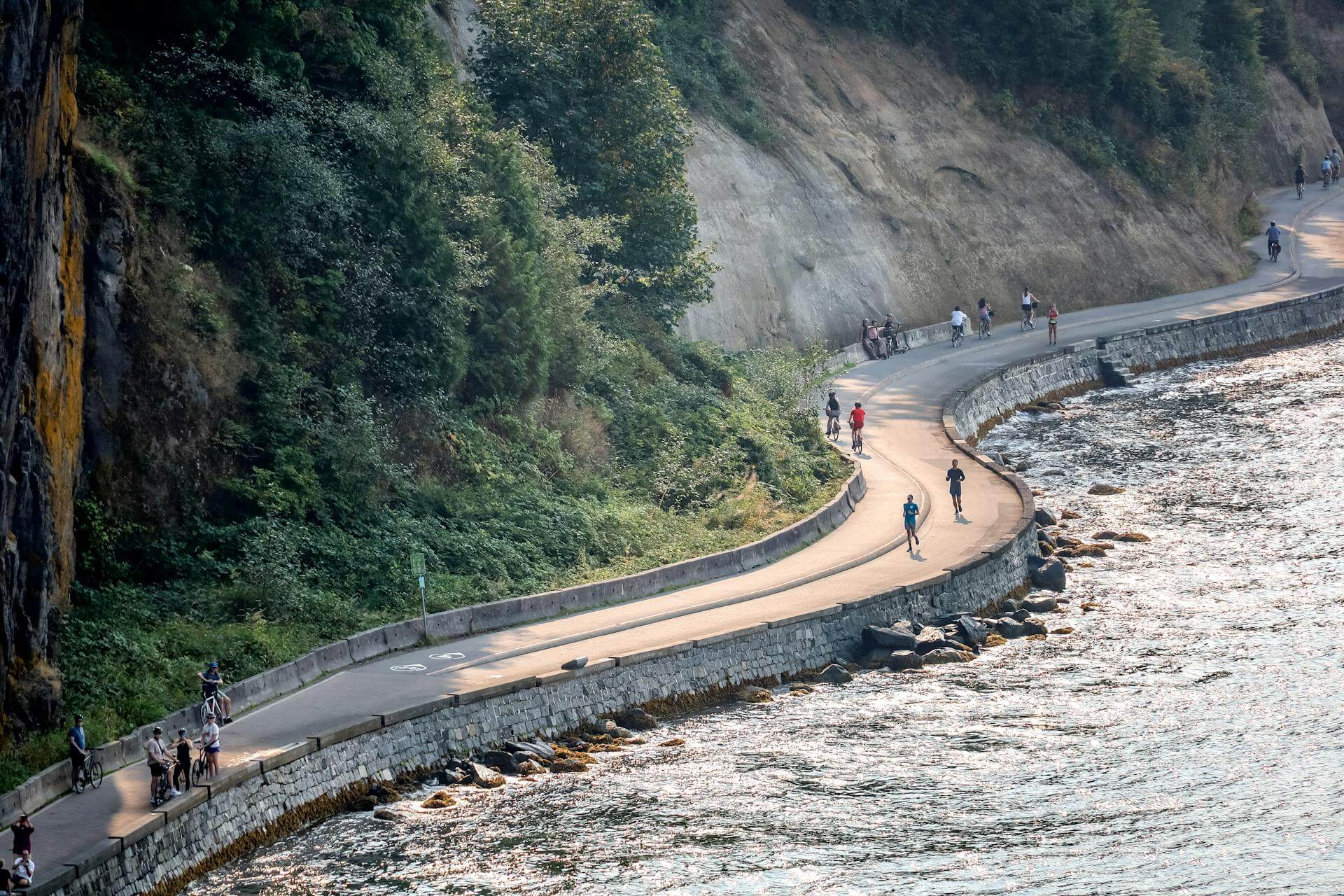
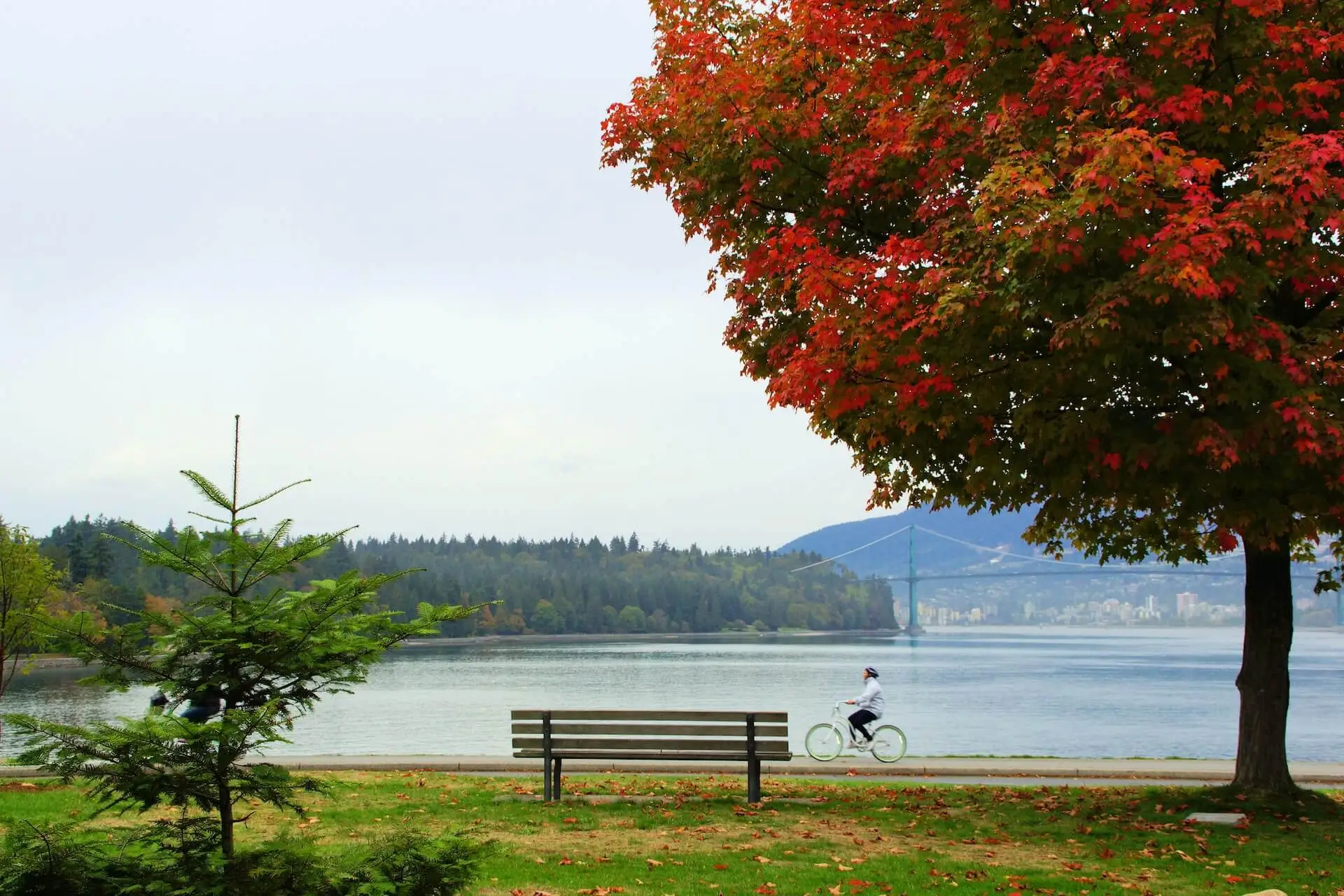
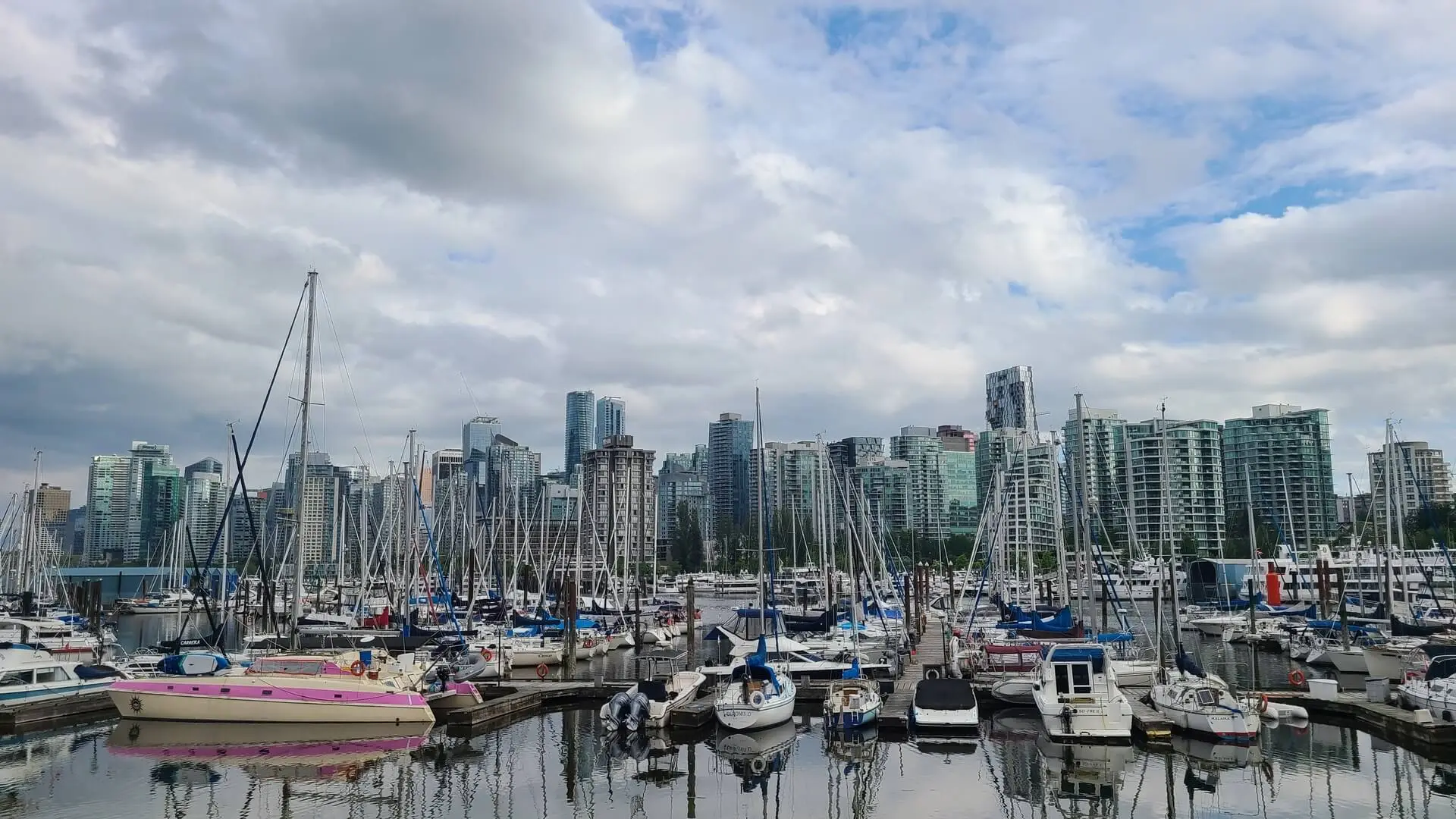
The Stanley Park Seawall is the classic route around the edge of the park. It gives changing views of Coal Harbour, Burrard Inlet, the North Shore mountains, Lions Gate Bridge, English Bay, and the downtown skyline.
The City of Vancouver lists the Stanley Park Seawall loop as 10 km. If you are walking, plan for a longer outing with breaks. If you are cycling or rolling, follow the posted counterclockwise direction.
Visit the totem poles
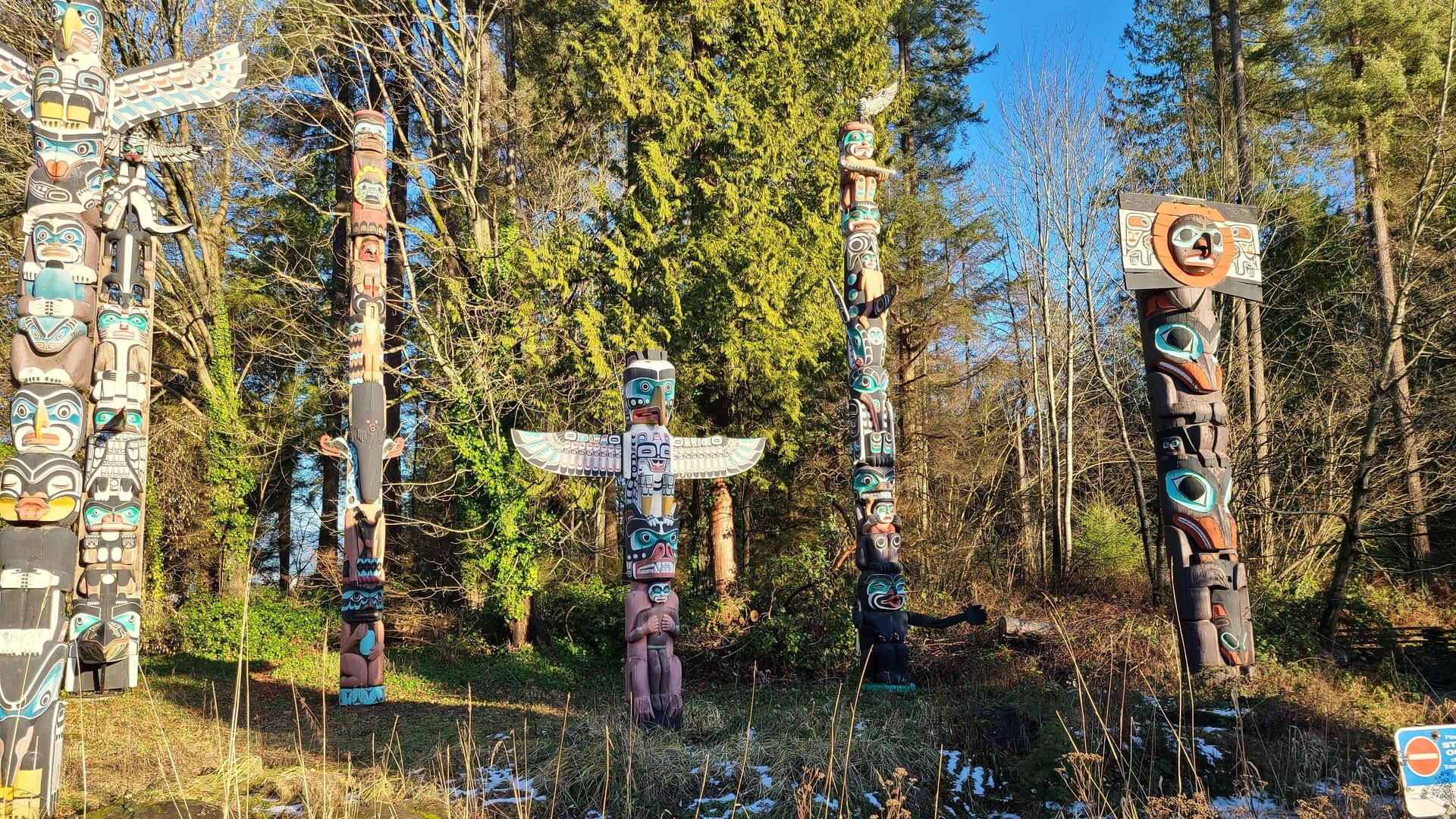
The totem poles at Brockton Point are among the most visited cultural stops in Stanley Park. The area is easy to pair with a Seawall walk, harbour views, and nearby photo stops.
Take time to read the plaques and keep the space respectful. This is not only a photo stop, it is a cultural landmark connected to the broader history of the land.
Take the quieter Beaver Lake route
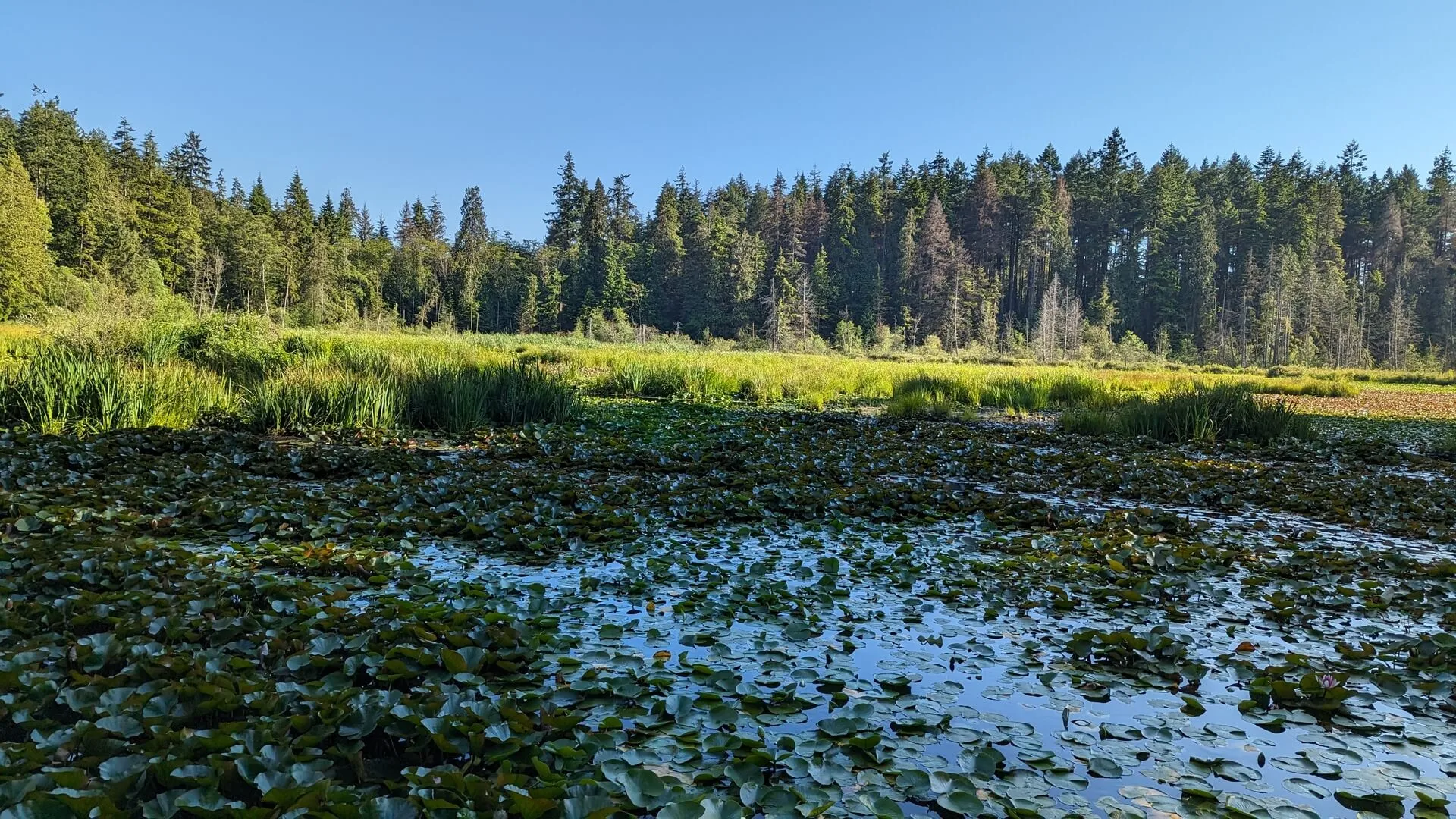
Beaver Lake is a calmer interior stop with a softer forest feel. It is a good choice when the Seawall is busy or when you want a more peaceful route away from the waterfront crowds.
Pair it with the nearby trail network for a slower nature walk. Footwear with grip is helpful after rain because interior paths can feel damp in shaded areas.
Slow down at Third Beach
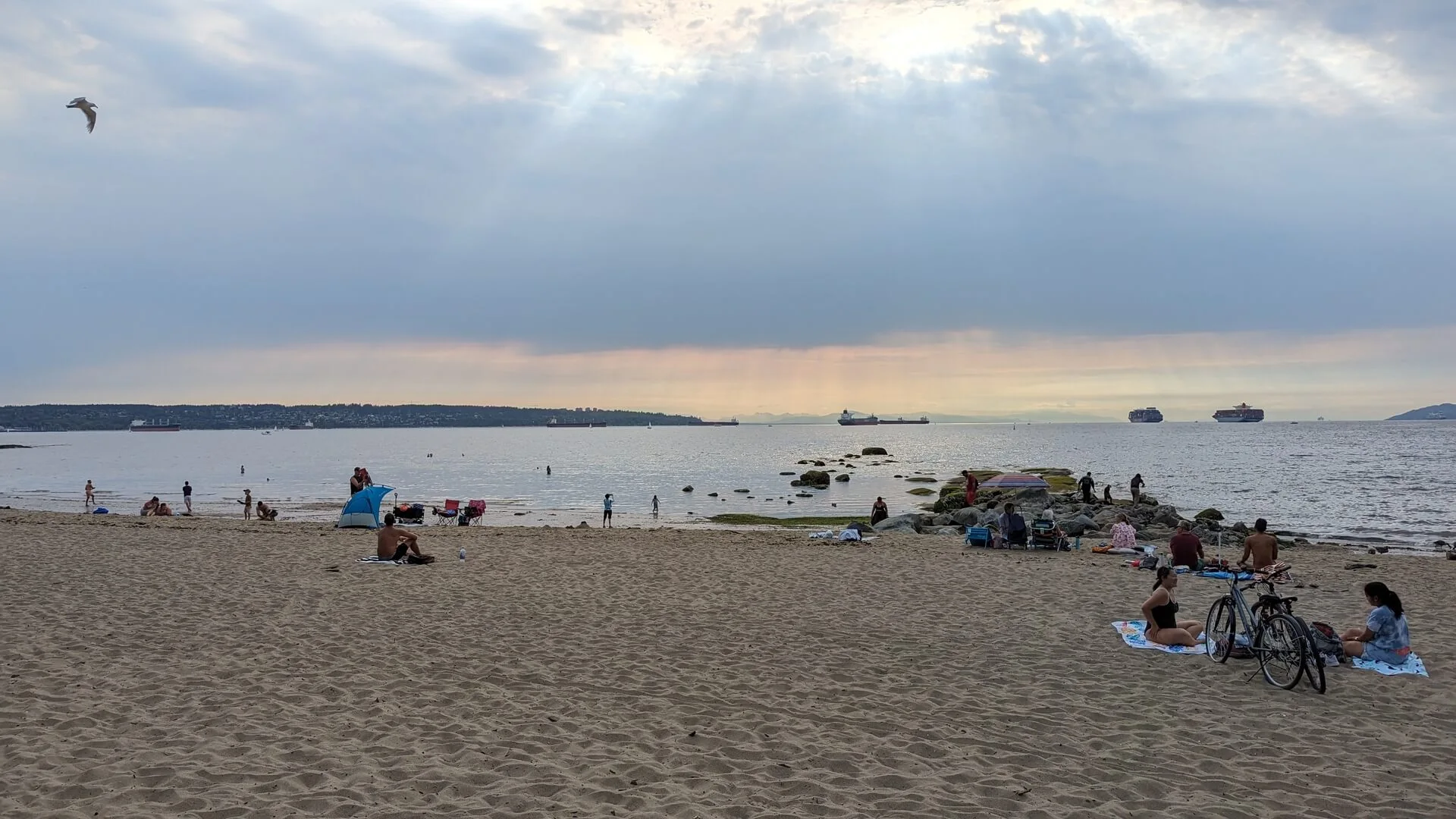
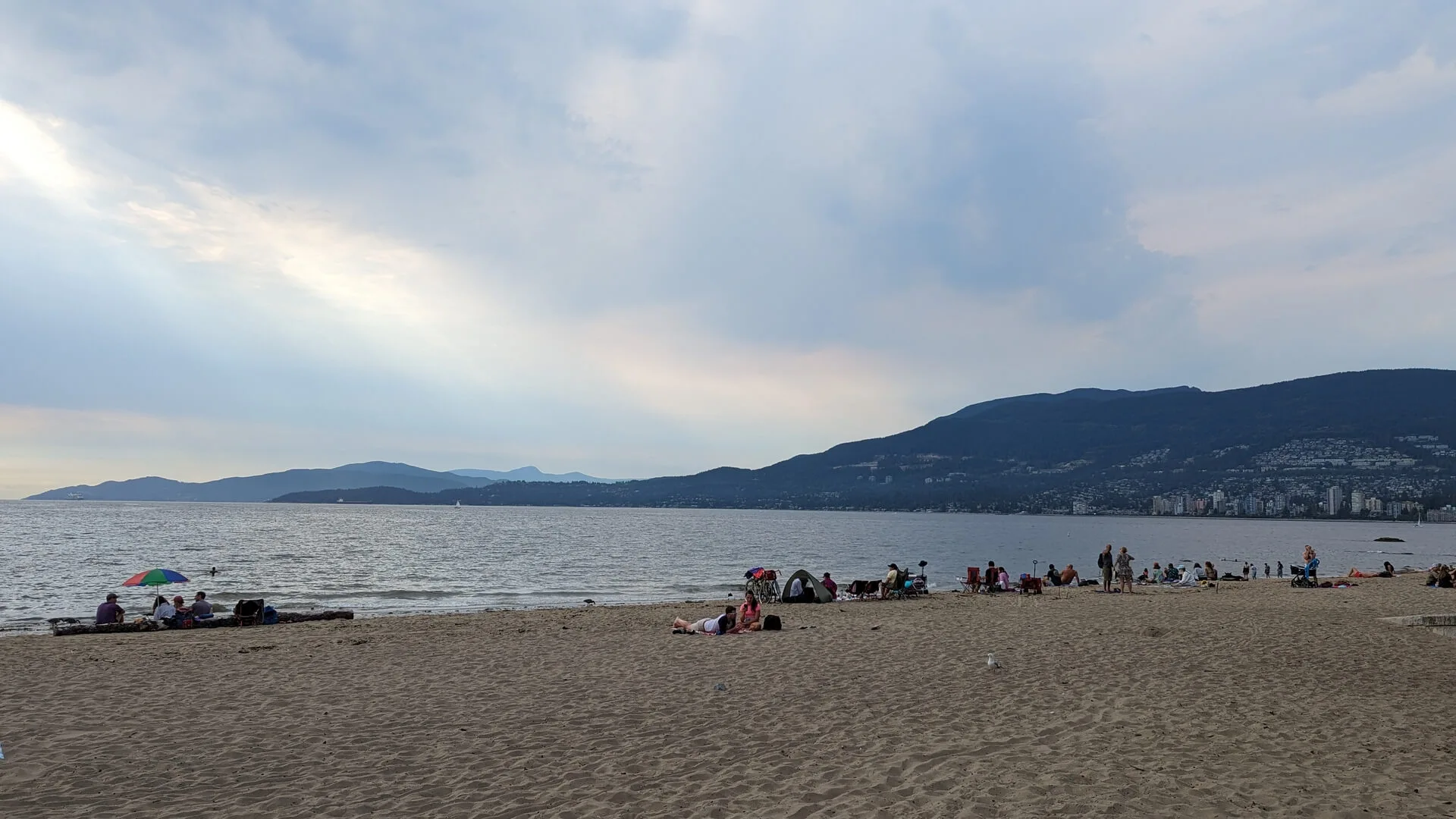
Third Beach is a naturally sandy beach at Ferguson Point, surrounded by trees and known for a calmer feeling than some of the busier downtown beaches. It works well for a picnic, a beach break, or sunset.
Feature stop: Rose Garden
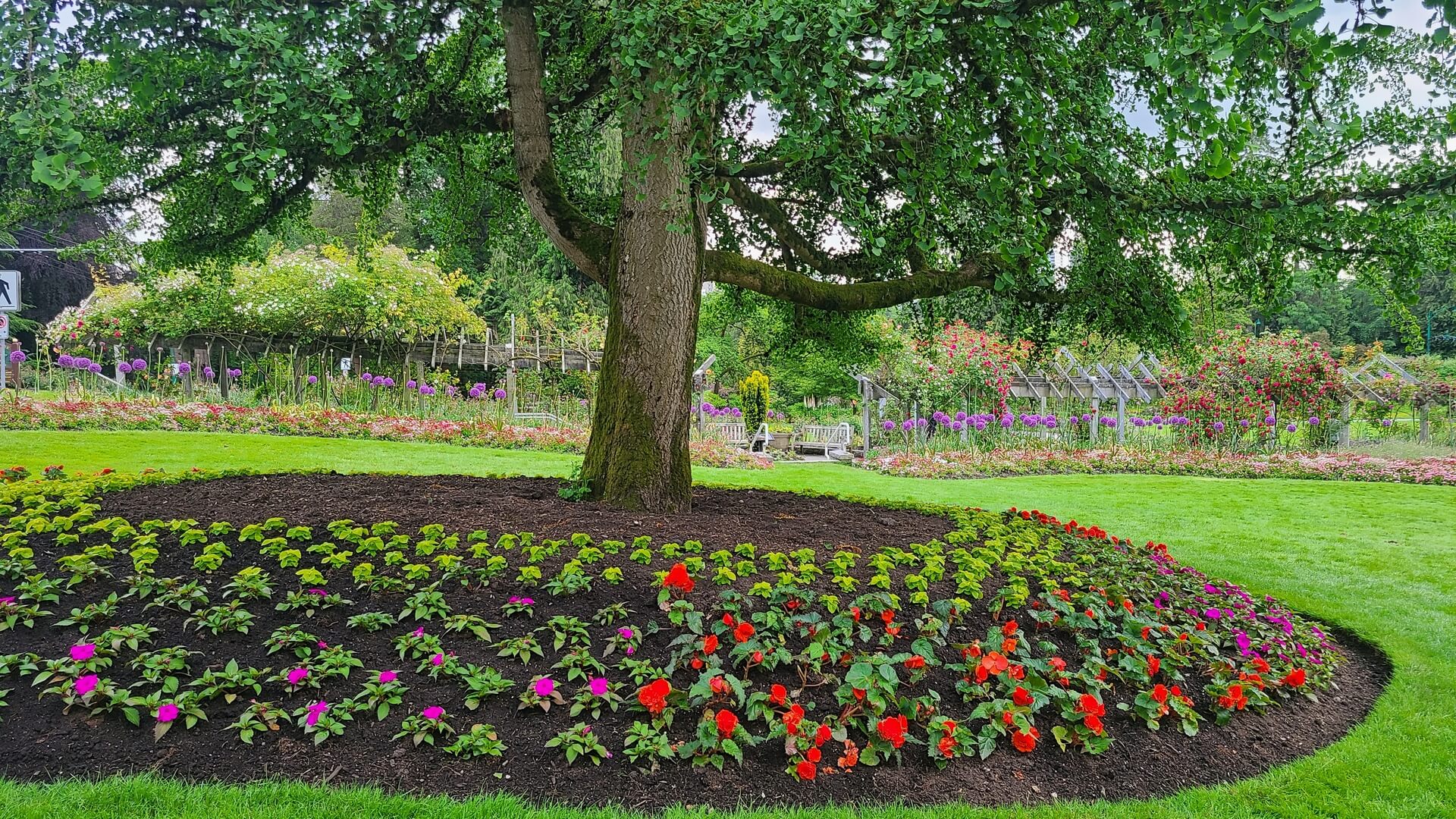
The Stanley Park Rose Garden is one of the prettiest garden stops near the park entrance, with formal beds, seasonal blooms, more than 3,500 rose bushes, and easy access from the Stanley Park Pavilion area.
It is a strong add-on for visitors who want a calm walk before or after the Seawall, Shakespeare Garden, or Lost Lagoon.
Walk through Shakespeare Garden
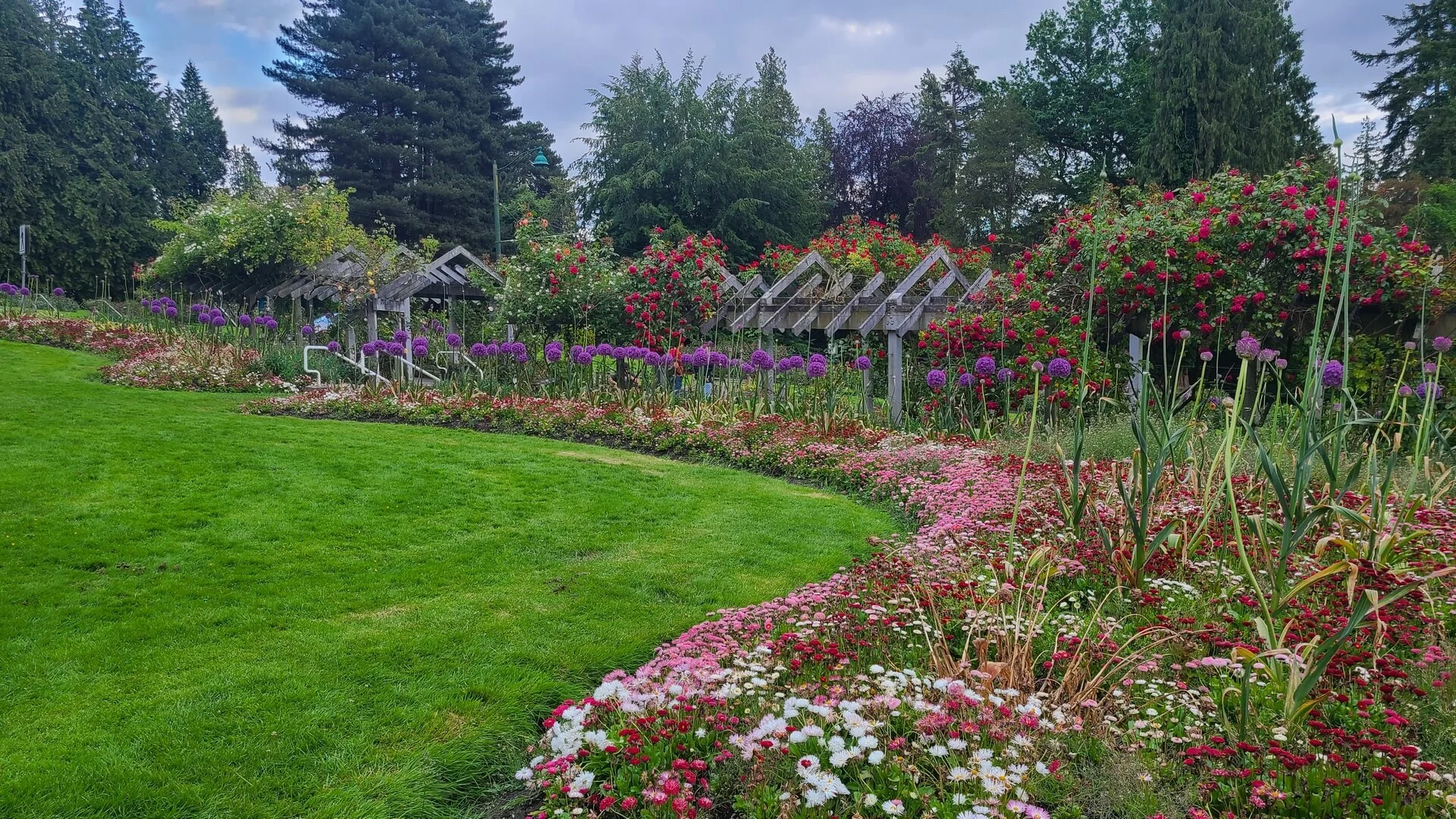
Shakespeare Garden is a peaceful garden stop near the Rose Garden and Stanley Park Pavilion area. It has a quieter feel, shaded paths, tree plantings, and plaques that make it a pleasant add-on near the park entrance.
Look for skyline and mountain views
Some of the best Stanley Park views are along the waterfront edges of the park. Coal Harbour gives skyline and marina views, Brockton Point gives harbour angles, and the west side of the park is better for open water and sunset light.
For photos, morning light often works well near Coal Harbour. Late afternoon and sunset can be better near Third Beach, Second Beach, and English Bay.
More places to include if you have time
Once the main stops are covered, Stanley Park still has plenty of smaller places worth adding. The best picks depend on the time you have, weather, and whether you want water views or forest shade.
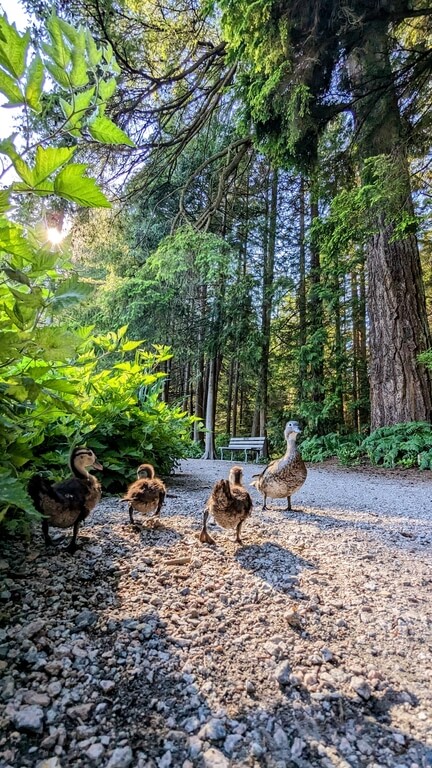
- Lost Lagoon: a calm water and wildlife-viewing area near the park entrance.
- Rose Garden: a classic garden stop near Stanley Park Pavilion with seasonal rose beds. Read the Rose Garden guide.
- Second Beach: a popular family-friendly beach area near Second Beach Pool.
- Prospect Point: a viewpoint area often paired with Lions Gate Bridge views.
- Siwash Rock: a famous rock formation seen from the Seawall on the western side of the park.
- Hollow Tree: one of the park’s well-known landmark stops.
- Stanley Park Train: a family attraction with seasonal operations and ticket details that should be checked before going.
- Vancouver Aquarium: a paid attraction inside Stanley Park with changing hours and date-based ticket details.
A simple route idea
This route keeps the day realistic. It avoids cramming too much into one visit while still giving a strong Stanley Park experience.
Start near Coal Harbour
Begin with waterfront views, downtown skyline angles, and an easy Seawall stretch near the park entrance.
Stop at Brockton Point
Take time at the totem poles, then continue along the water for harbour and mountain views.
Add forest or gardens
Choose Beaver Lake for a forest feel, the Rose Garden for seasonal colour, or Shakespeare Garden for a gentler garden walk near the entrance area.
End near the beach
Head toward Third Beach or Second Beach when the light is warm and you want a slower finish.
Choose the right Stanley Park plan
Quick visit: 45 to 90 minutes
Stay near the entrance side of the park. Walk part of the Seawall from Coal Harbour, visit the Brockton Point totem poles, then return toward the entrance or Lost Lagoon. This is best when you want a scenic visit without committing to the full loop.
Classic visit: 2 to 3 hours
Start near Coal Harbour, follow the Seawall toward Brockton Point, continue to a few viewpoints, then choose either an interior trail or a beach stop. This gives a good mix of water, forest, and landmarks.
Half-day visit
Add more time for Beaver Lake, the Rose Garden, Shakespeare Garden, Third Beach, and food breaks. A half-day plan is better for photos, families, slower walkers, and anyone planning to stop often along the Seawall.
Rainy day plan
Choose shorter sections and stay flexible. Forest paths can still feel beautiful in light rain, but waterfront wind can feel stronger. Bring waterproof layers, check conditions, and save beach time for clearer weather.
Getting there and getting around
Stanley Park is close to downtown, but it is much larger than it looks on a quick map glance. Pick your entry point based on the stops you care about most.
- Walking: Good from Coal Harbour, the West End, English Bay, and downtown hotels.
- Cycling: A popular choice for covering more of the Seawall. Follow lane markings and posted directions.
- Public transit: Check current route and schedule details before leaving, especially on weekends or during major events.
- Driving: Pay parking is in effect year-round. Rates and lot details can change, so check before paying.
Before going
Details can change because of weather, maintenance, seasonal work, beach notices, parking updates, attraction schedules, or temporary closures. Check official information online before heading to Stanley Park.
Best times to visit Stanley Park
Morning
Good for calmer paths, softer light near Coal Harbour, and fewer crowds at popular photo stops.
Afternoon
Better for a longer walk, beach time, family outings, and relaxed stops with food breaks.
Sunset
Third Beach, Second Beach, and the English Bay side are strong choices for warm evening light.
Spring to fall
Gardens, beaches, and longer daylight hours make the park easier to enjoy at a slower pace.
Local tips for a smoother visit
Do not underestimate the distances
Stanley Park is big. A short stop can easily become a long walk, especially if you start following the Seawall and keep stopping for views.
Pick one side of the park
For a shorter plan, choose either the Coal Harbour and Brockton Point side or the English Bay and beach side. Trying to cover both can feel rushed.
Bring layers
The waterfront can feel cooler and windier than downtown streets. Forest areas can also stay damp after rain.
Check conditions first
Before going, check official updates for Seawall work, road changes, beach notices, washroom availability, parking rates, and attraction hours.
FAQ about Stanley Park
Is Stanley Park free to enter?
Yes. Entry to Stanley Park is free. Parking and paid attractions inside the park have separate fees.
How long is the Stanley Park Seawall?
The City of Vancouver lists the Stanley Park Seawall loop as 10 km. The wider Seawall page notes that the Stanley Park portion takes about 2 to 3 hours to walk or about 1 hour to cycle.
Which way does Seawall traffic go?
Travel on the Stanley Park Seawall is one-way counterclockwise. Follow signs and stay in the correct lane.
What are the easiest photo stops?
Brockton Point, the Seawall near Coal Harbour, Third Beach, Lost Lagoon, and viewpoints facing the North Shore are easy choices.
Can Stanley Park be visited without a car?
Yes. Stanley Park can be reached by walking, cycling, or public transit from downtown Vancouver. Check current transit details before heading out.
Where is the Rose Garden in Stanley Park?
The Rose Garden is near the Stanley Park Pavilion area on the entrance side of the park. It is easy to pair with Shakespeare Garden, Lost Lagoon, and a shorter Seawall walk.
What should be checked before going?
Check park notices, Seawall conditions, parking fees, beach updates, washroom information, weather, and attraction schedules.