
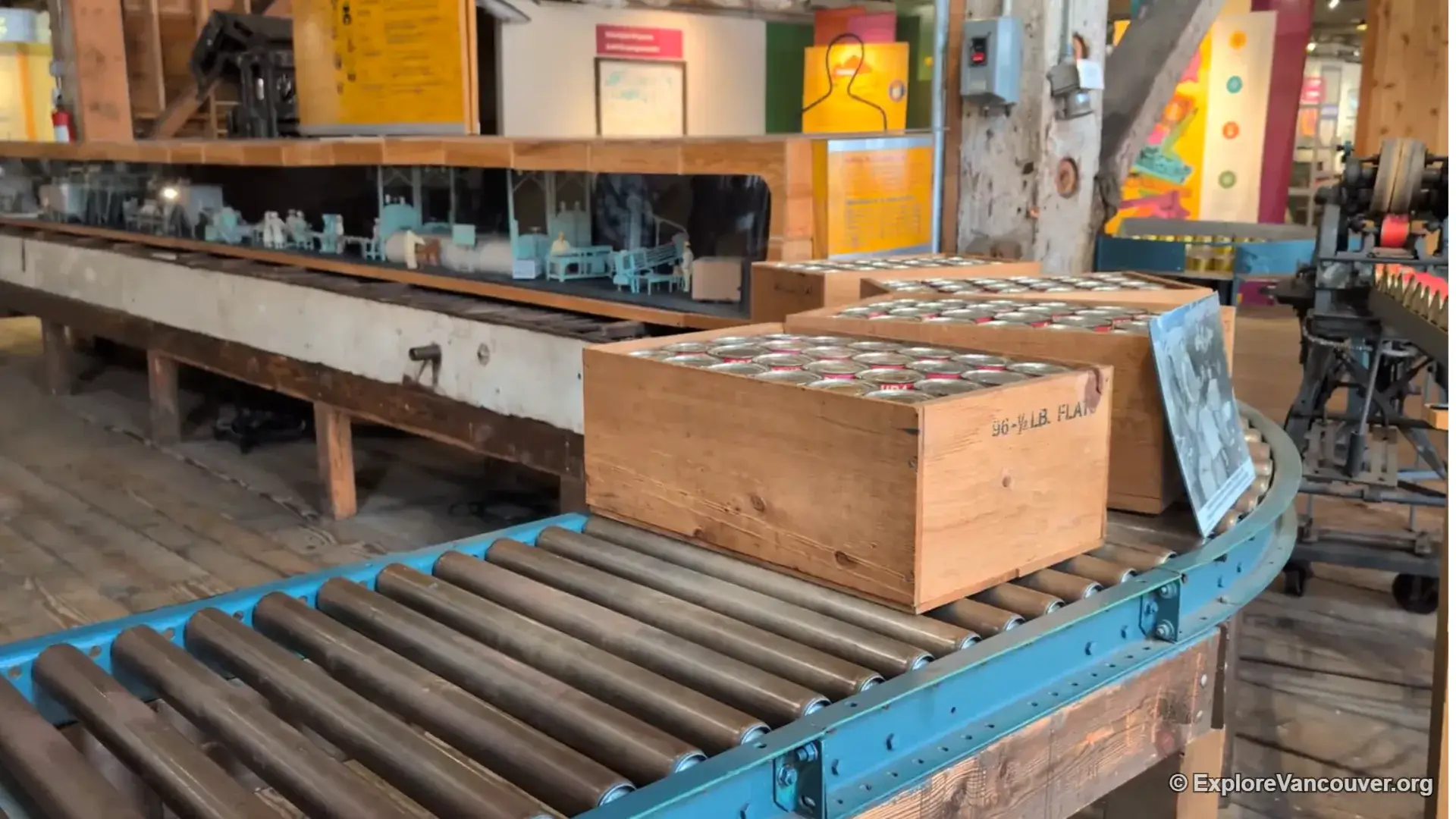
The restored canning line at the Gulf of Georgia Cannery, once the beating heart of Steveston’s salmon industry. Click any photo on this page to see it full size.
Long before Steveston became known for its waterfront boardwalk and fish and chip shops, it was the engine room of British Columbia’s salmon industry. The Gulf of Georgia Cannery is the last survivor of more than fifteen canneries that once lined this stretch of the Fraser River, and stepping inside still feels like walking straight into 1894.
A Working Cannery Frozen in Time
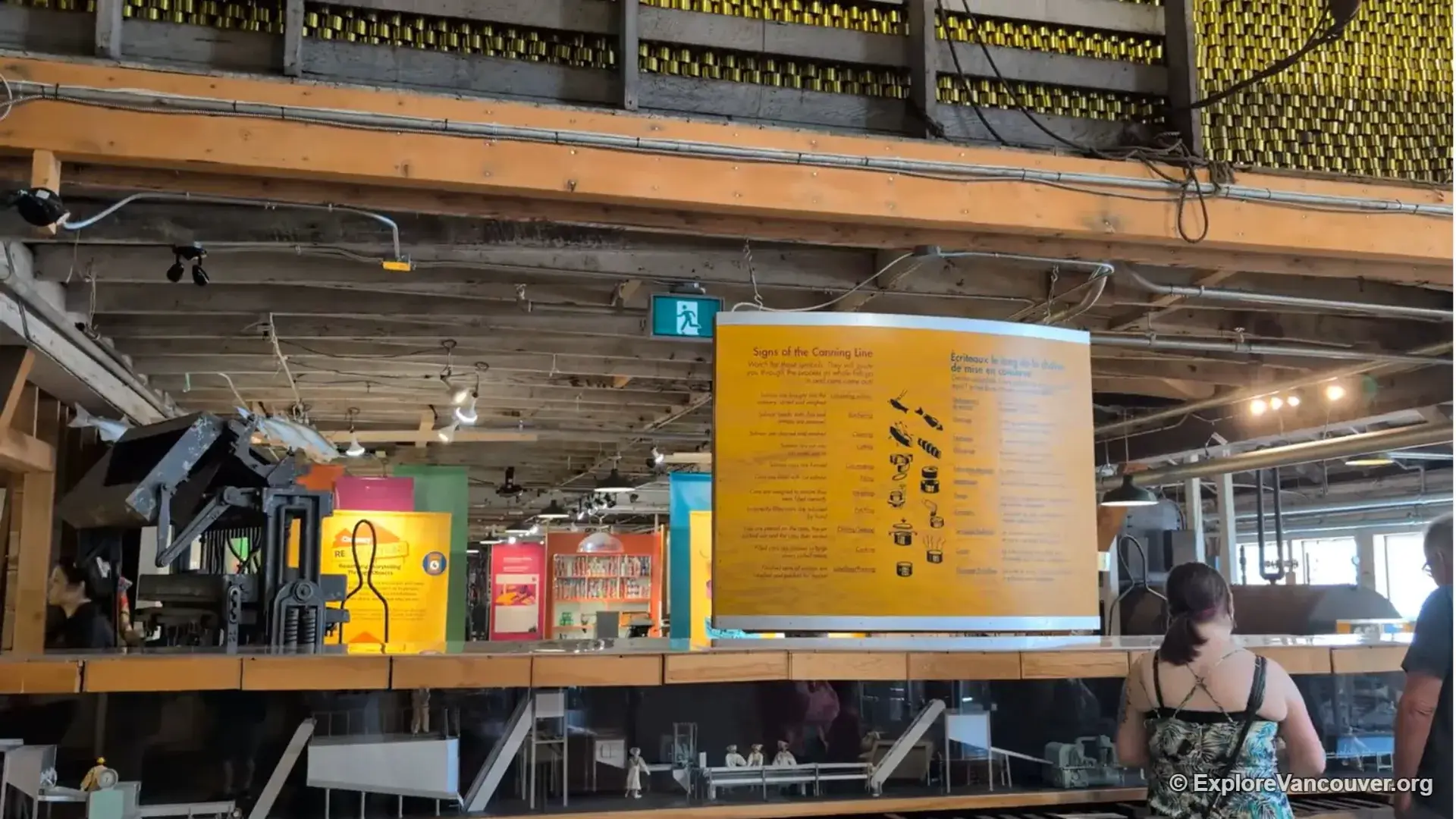
When it opened in 1894, this building was the largest cannery of its kind in the province, earning the nickname the “Monster Cannery” for the sheer volume of sockeye it could process in a single season. The restored Canning Line still runs through the main hall today, and the machinery gives a real sense of how mechanized — and how relentless — the work here once was.
The site is built on roughly 600 wooden pilings driven straight into the riverbed, and at high tide you can sometimes hear the Fraser River lapping beneath the floorboards. Because the building sits over open water, it runs noticeably cooler inside than the temperature outside, so a light jacket is worth bringing even on a warm day.
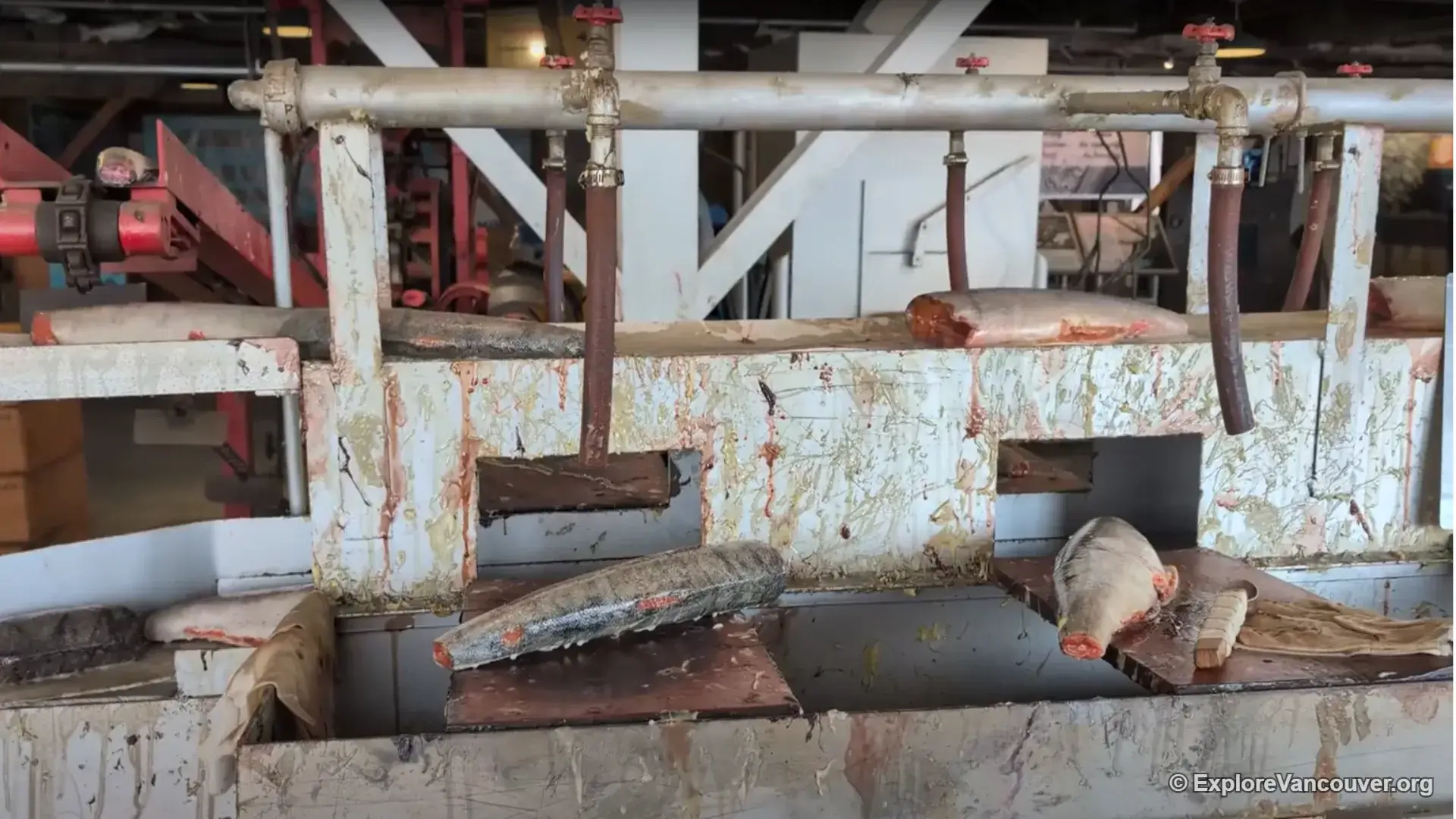
Exhibits throughout the cannery trace the people behind the machinery as much as the machinery itself. Chinese, Japanese, First Nations, and European workers all labored side by side on this floor, and the displays around the old fish-cutting and processing areas do a good job of putting names and stories to the work rather than just showing equipment.
A short introductory film sets the historical context before you wander the floor, and interpretive panels throughout let you go at your own pace — most visitors spend somewhere around an hour moving through the whole site.
Rotating Exhibits
Alongside the permanent Canning Line and fishing-industry displays, the cannery runs a changing exhibit that adds a new layer to each visit. The current one focuses on personal and community stories tied to BC’s fishing history, gathered through interactive displays and objects contributed by the public — including a section where locals help decide which artifacts best represent the area’s history. It’s a nice contrast to the fixed historical exhibits elsewhere in the building, and it’s slated to run for an extended stretch, so it’s worth checking what’s currently on display before your visit.
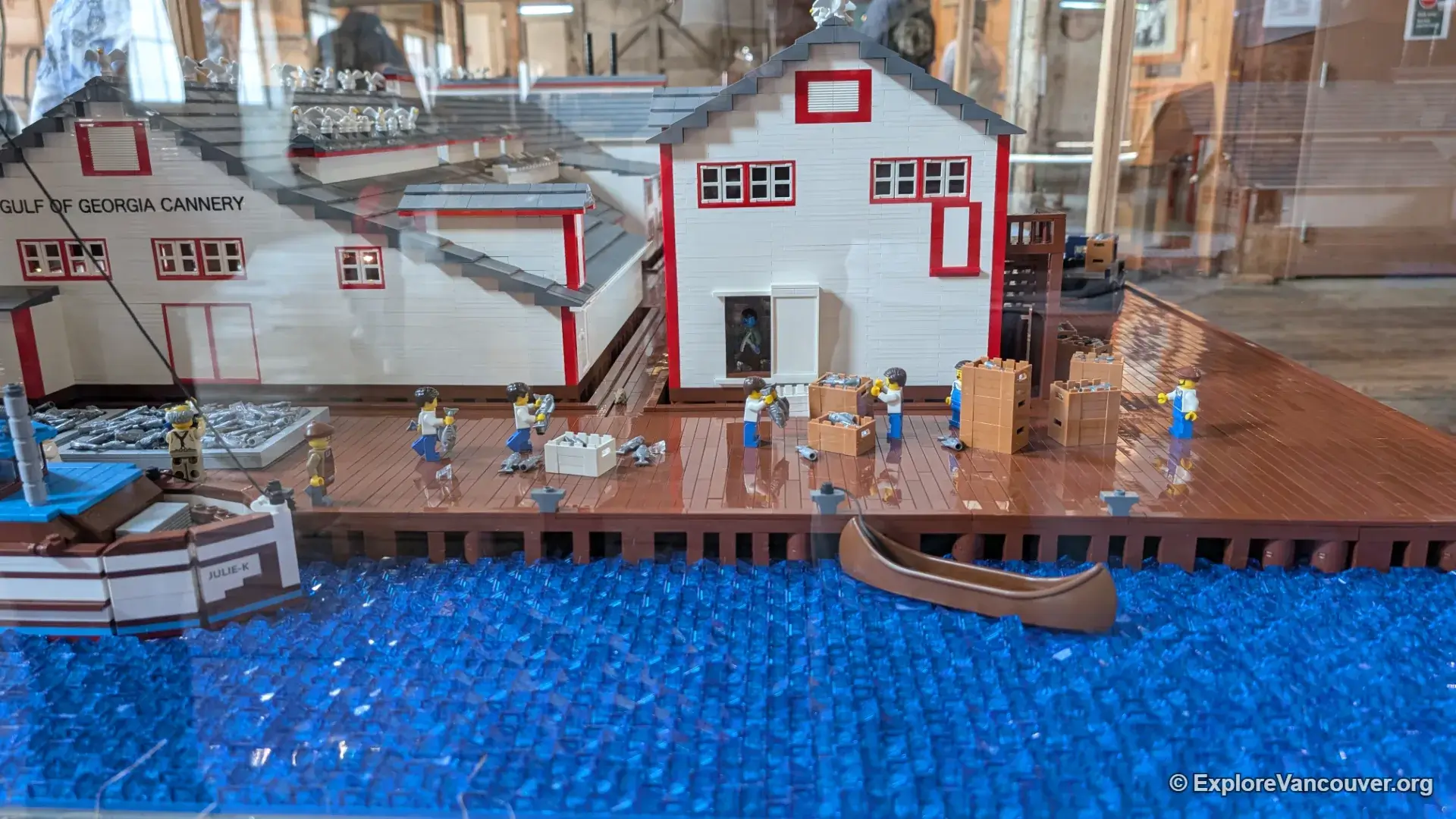
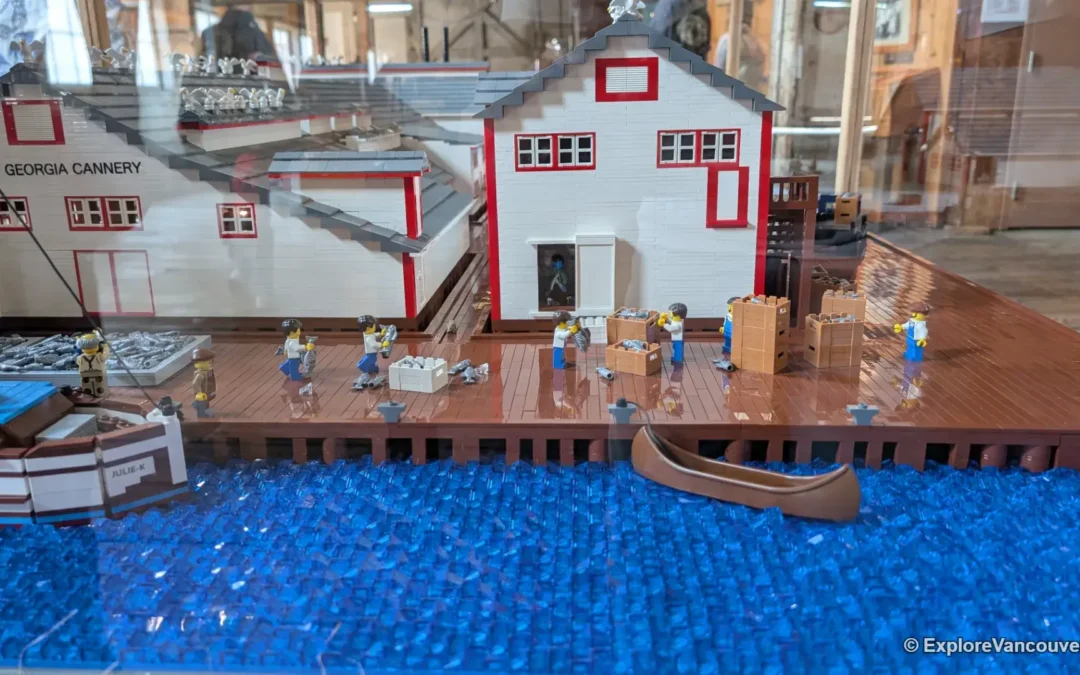
Past rotating installations have included a large-scale model of the cannery and surrounding waterfront built entirely from LEGO bricks — a playful counterpoint to the industrial history on display elsewhere in the building. Families in particular tend to gravitate toward this side of the museum, since there’s enough hands-on and visual content to hold kids’ attention beyond the historical panels aimed at adults.
Events at the Cannery
The cannery hosts programming throughout the year that goes beyond its standing exhibits, and it’s worth timing a visit around one if you can.
Halloween Weekend
On the last Saturday and Sunday of October, the cannery typically runs a child-friendly haunted attraction with a maritime theme — sea monsters, cobwebs, and spooky characters rather than anything too intense — plus games and craft activities. Admission is the same as a regular visit.
Festival of Trees
Throughout December, the cannery fills with Christmas trees decorated by local merchants and community groups. On the first Sunday of the month, Santa typically makes an appearance nearby along with a small classic car display just down the street in Steveston Village.
Summer Live Music
In summer months, the cannery has hosted weekly live music sessions as part of its regular programming, giving visitors another reason to plan an evening stop rather than a strictly daytime visit.
The cannery is operated by a nonprofit historical society on behalf of Parks Canada, and admission is generally valid for the whole day, so you can step out for lunch in Steveston Village and come back on the same ticket. Paid parking is available on-site, and there’s limited free street parking scattered through the village if you’re happy with a short walk. Members of the operating society, along with current military members, veterans, and their immediate families, typically receive free admission as well.
Because it’s indoors and largely self-guided, the cannery is a solid rainy-day option if the rest of your Steveston plans involve the waterfront or the boardwalk. Steveston’s Sunday farmers and artisan market, running from spring through fall just down the street, pairs well with a cannery visit if your trip falls on a weekend.
Stand in the middle of the Canning Line long enough and the building stops feeling like a museum — you start to hear the machinery that isn’t running anymore, and understand why they called it the Monster Cannery.
Photo Gallery
Frequently Asked Questions
Most visitors spend around an hour moving through the exhibits and the introductory film. Add extra time if you want to browse the gift shop or linger over the interpretive panels.
Yes. Between the interactive exhibits, the machinery on display, and rotating features like past LEGO scale models, there’s enough hands-on content to keep most kids engaged.
Yes, paid on-site parking is available, and there’s also limited free street parking within walking distance throughout Steveston Village.
Youth 17 and under generally get in free when visiting with a paying adult, and Parks Canada has occasionally offered free general admission to everyone during specific summer or winter promotional windows. Confirm current details before you go, since these windows change year to year.
Pets are not permitted inside the museum, with the exception of certified guide and service dogs.
The site is partially wheelchair accessible. If you have specific mobility needs, it’s a good idea to call ahead at 604-664-9009 to confirm what to expect.
Steveston is just one corner of everything Richmond has to offer, from riverside parks to indoor markets.
Explore More of Richmond