
Quick Info
- LocationGlover Road, Fort Langley, Township of Langley, BC
- Distance from VancouverRoughly 45 minutes to 1 hour by car
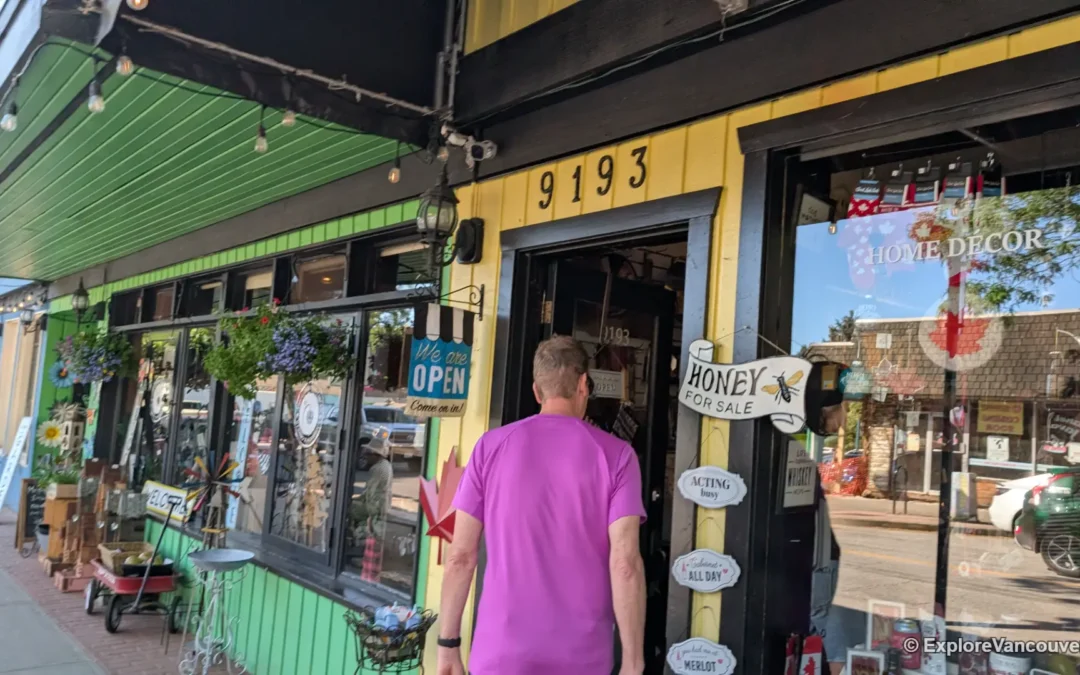
- Good forBoutique shopping, antiques, independent cafes, walking, photography
- NearbyFort Langley National Historic Site, BC Farm Museum, Fraser River waterfront, Fort-to-Fort Trail
- ParkingPublic lots near the village core and at the historic site
- Getting aroundThe village core is compact and best explored on foot
- Signature eventFort Langley Cranberry Festival, held annually in October
- PetsLeashed dogs are generally welcome in outdoor areas of the village
Shop and cafe hours vary by owner and season. Check with individual businesses directly before planning a visit around a specific store.
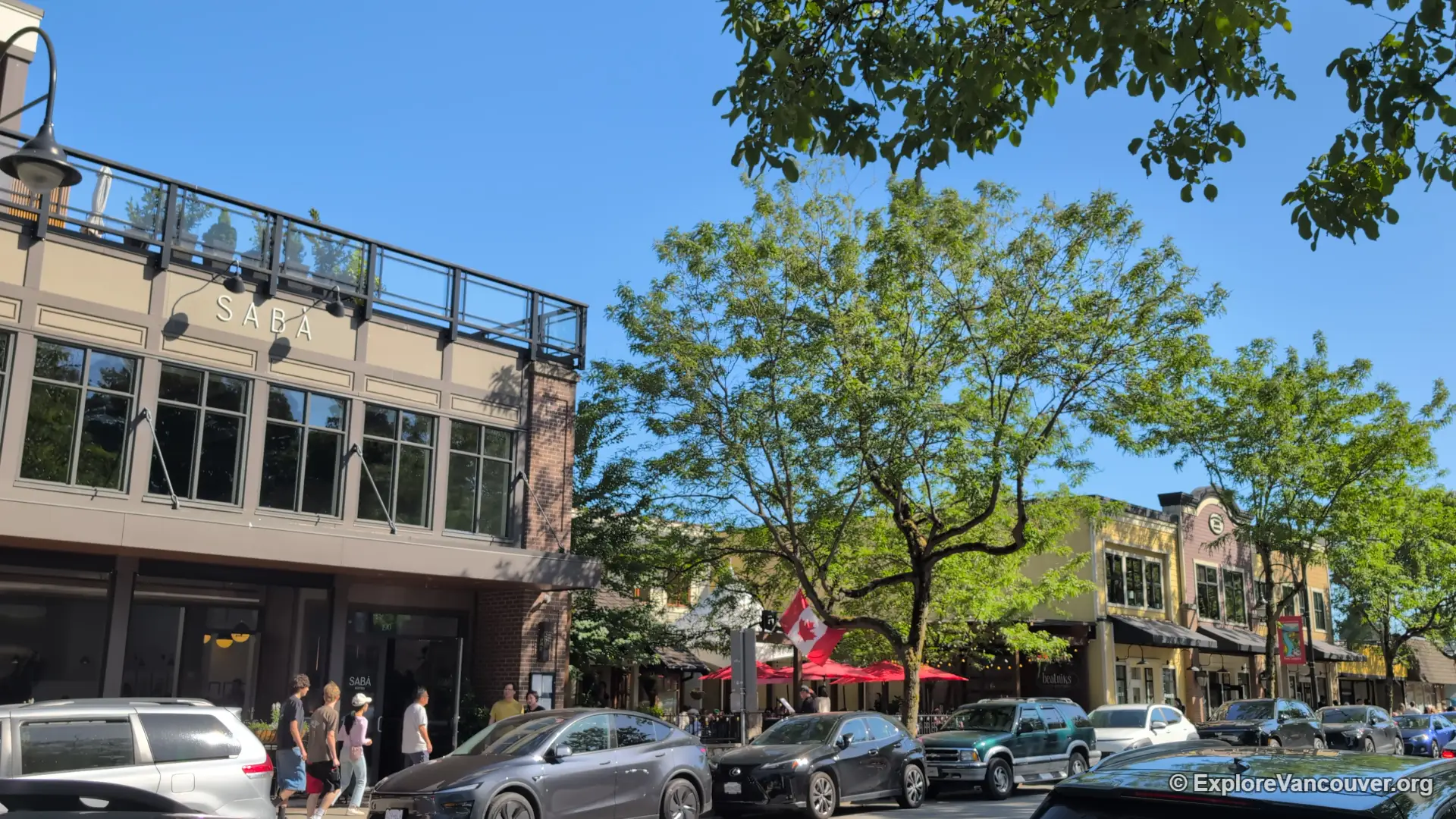
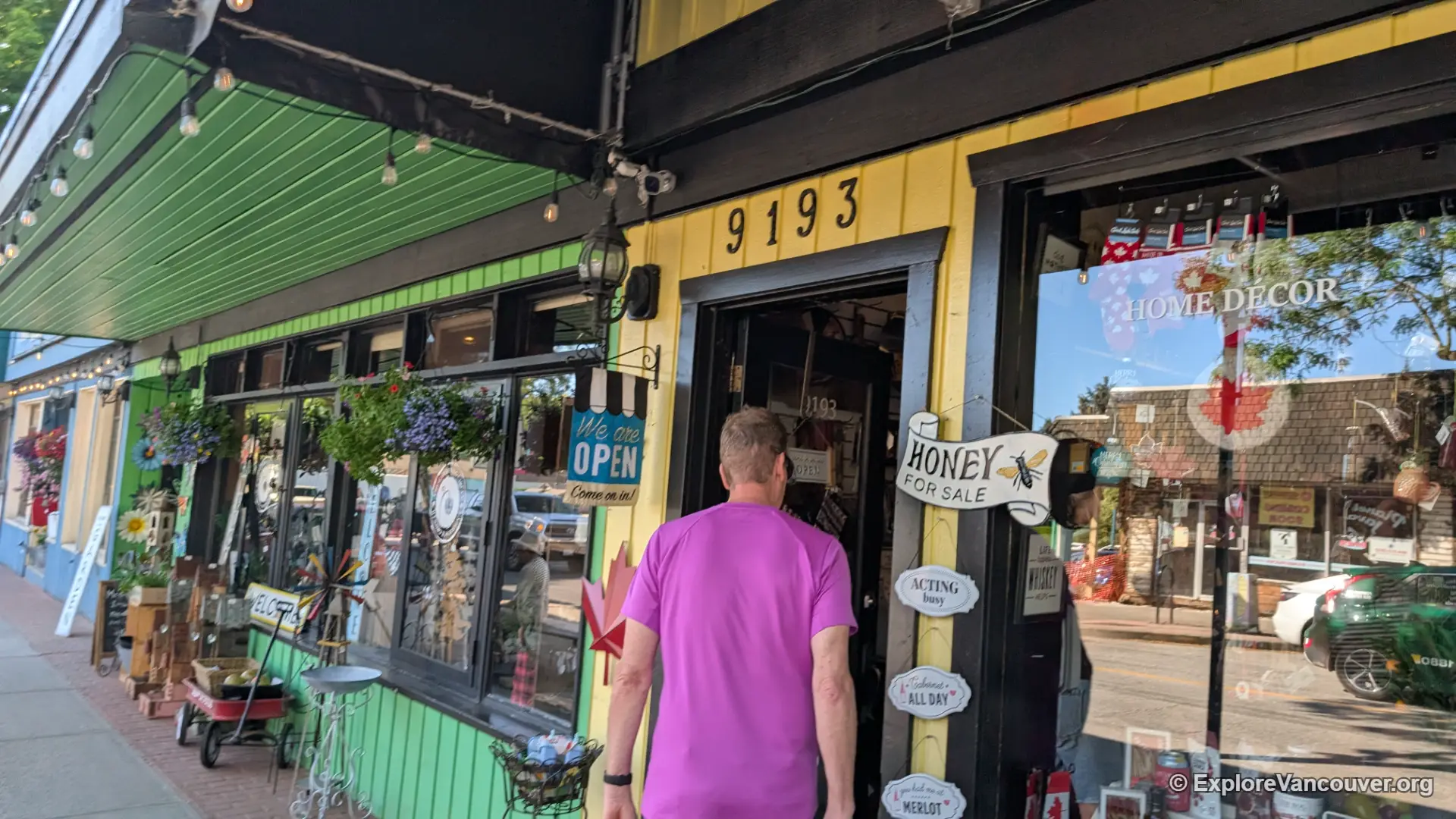
A Village Built on Trade, Then Rebuilt on Charm
Fort Langley’s story starts in 1827, when the Hudson’s Bay Company built a trading post on the banks of the Fraser River to exchange goods with local Indigenous communities. Furs, salmon, and cranberries moved through the post in its early decades, and the settlement grew into the first permanent European community in the Fraser Valley. In 1858, with gold rush fever pulling thousands of prospectors north along the river, the Crown Colony of British Columbia was proclaimed at the fort itself, which is why the town still carries the nickname “the birthplace of British Columbia.”
The village that grew up around the fort took a very different path through the twentieth century. A riverfront sawmill, operating from the early 1920s, turned Fort Langley into a working-class mill town for several decades, and much of the architecture along Glover Road today dates from that era. When the mill era faded, the heritage buildings stayed standing, and over the following decades they were gradually filled with antique dealers, artists, and independent shopkeepers rather than torn down. That layering of fur trade history, mill town grit, and present-day boutique charm is part of what makes a walk down Glover Road feel different from a typical shopping street.
Today the designation still shapes how the place is protected. Several buildings in the village core, including the Community Hall and the old railway station, hold formal municipal or provincial heritage status, which keeps their original facades and architectural details intact even as the businesses inside them change.
Getting There and Getting Around
Fort Langley sits roughly 45 minutes to an hour east of downtown Vancouver by car, depending on traffic on Highway 1 and the route taken through Langley. Drivers coming from the city typically exit onto 200th Street or Glover Road and follow signs into the village center, where several public parking lots serve both the shopping district and the national historic site.
Public transit reaches Langley through TransLink’s regional bus network, with connections through hubs like Carvolth Exchange for riders coming from other parts of Metro Vancouver. Cyclists have a scenic option too: the Fort-to-Fort Trail follows the Fraser River from Derby Reach Regional Park into the village, making it a popular route for a bike ride that ends with coffee and a browse through the shops.
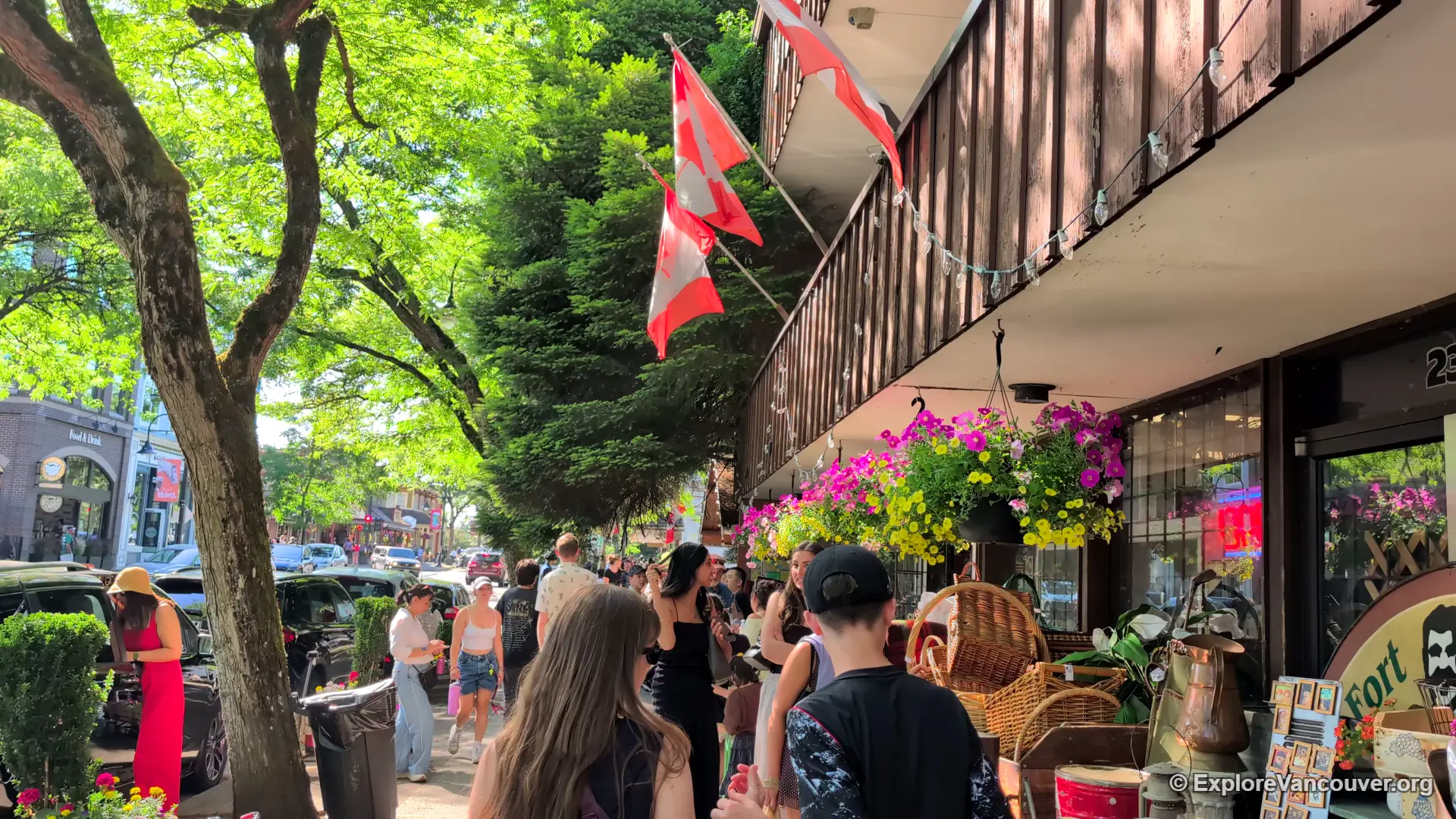
Once in the village, a car is more of a liability than a help. The core sits within a few compact blocks, and walking is by far the easiest way to move between the shops, cafes, and the railway station.
Shopping and Antiques on Glover Road
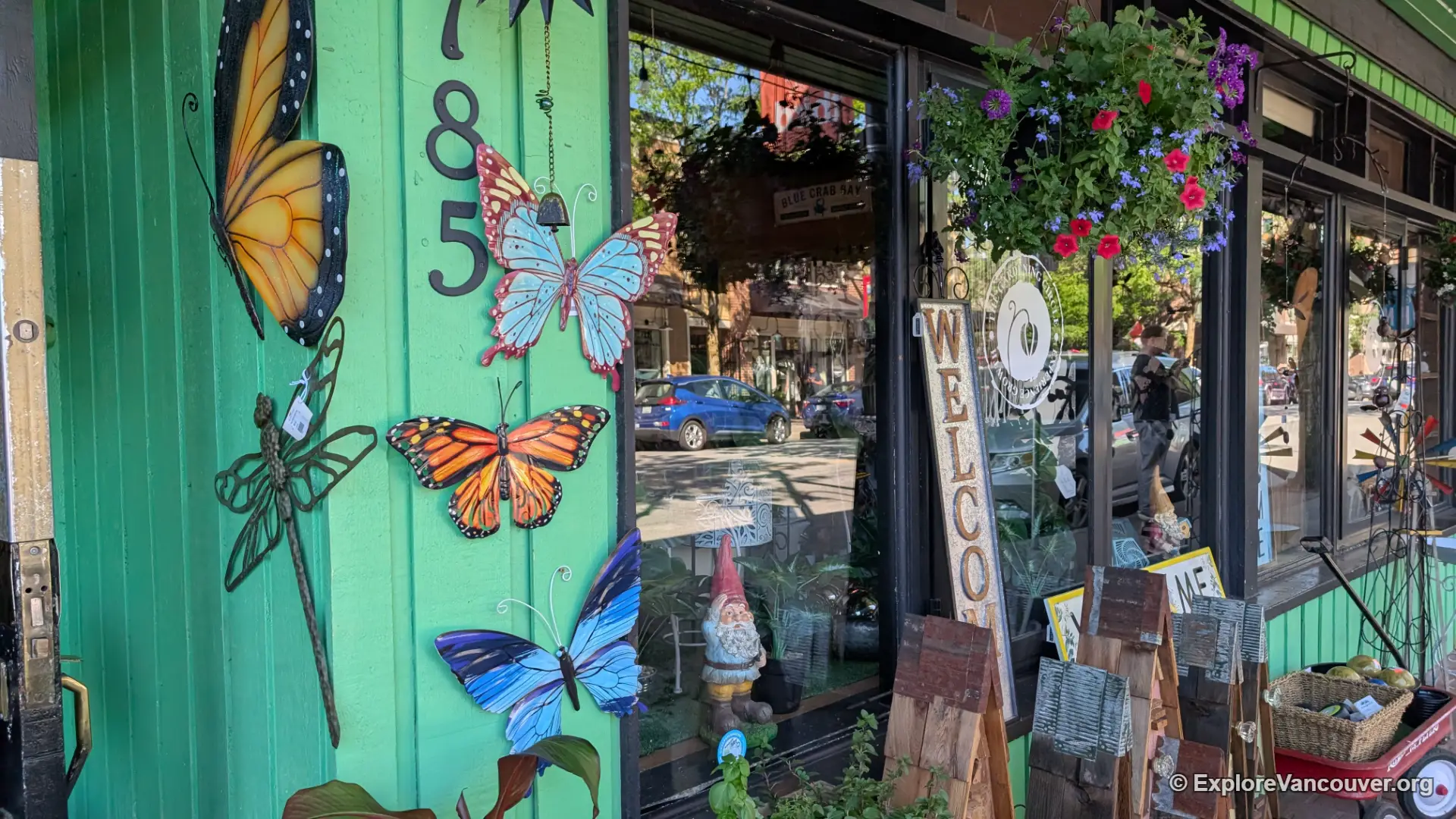
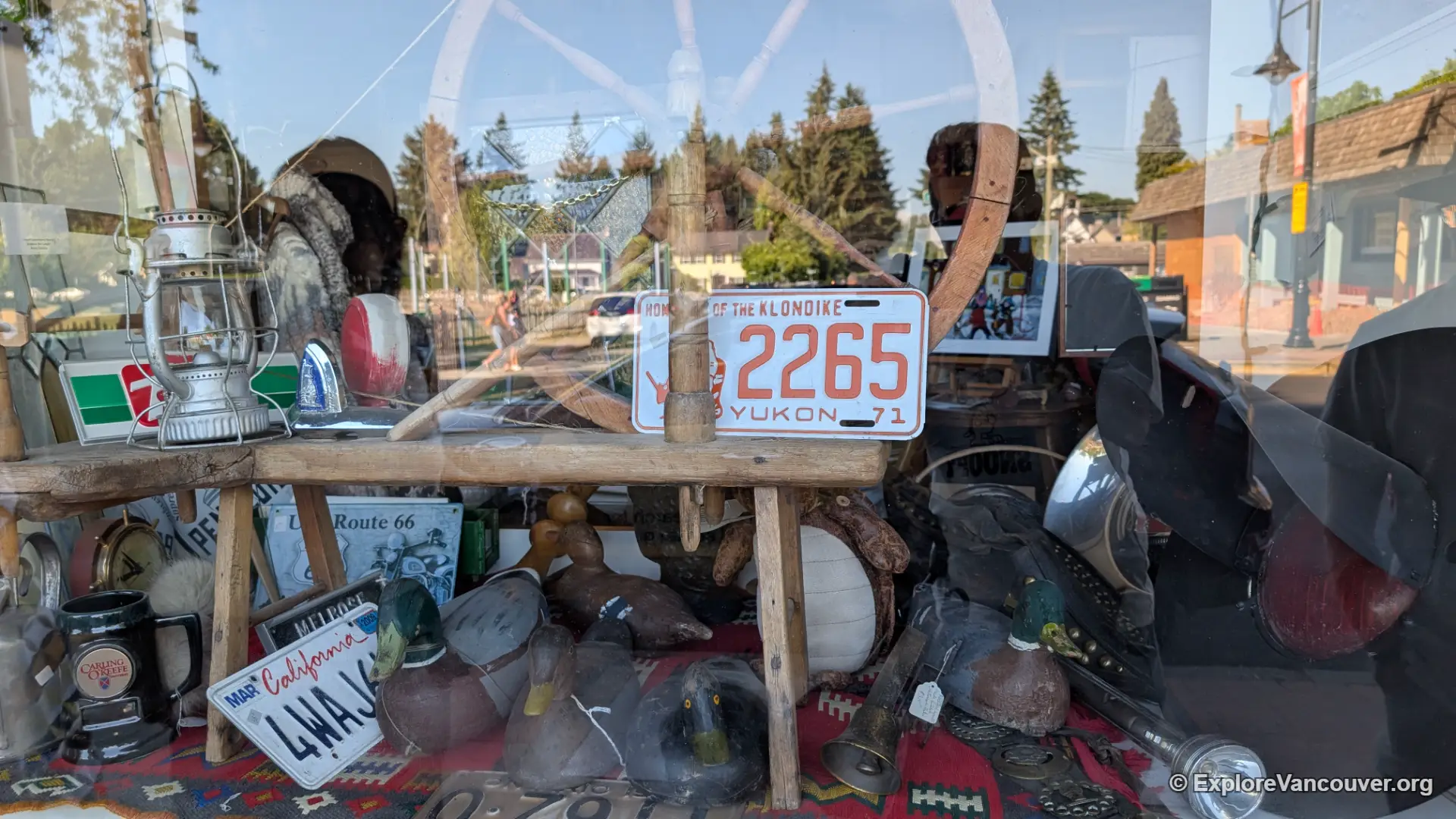
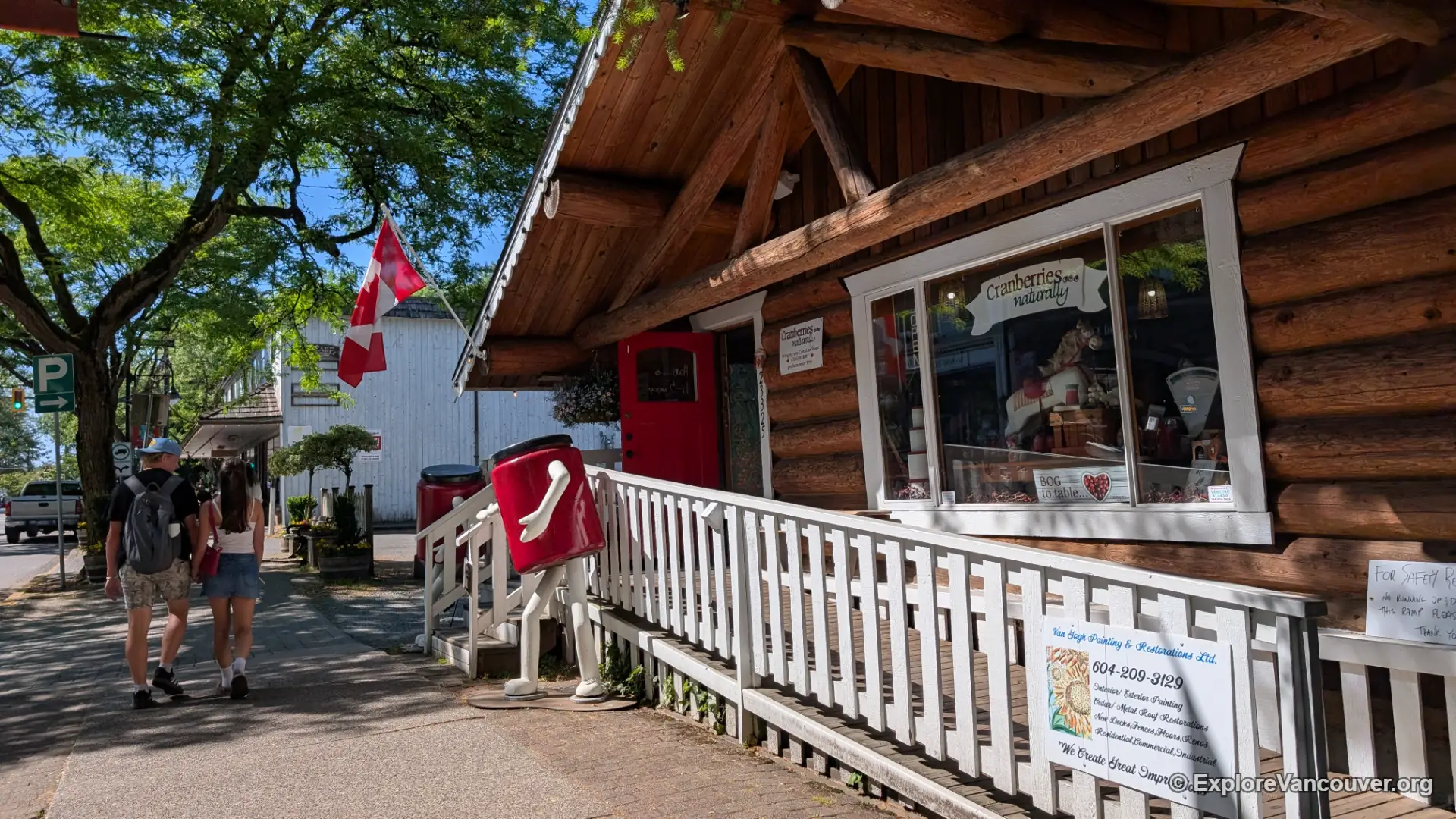
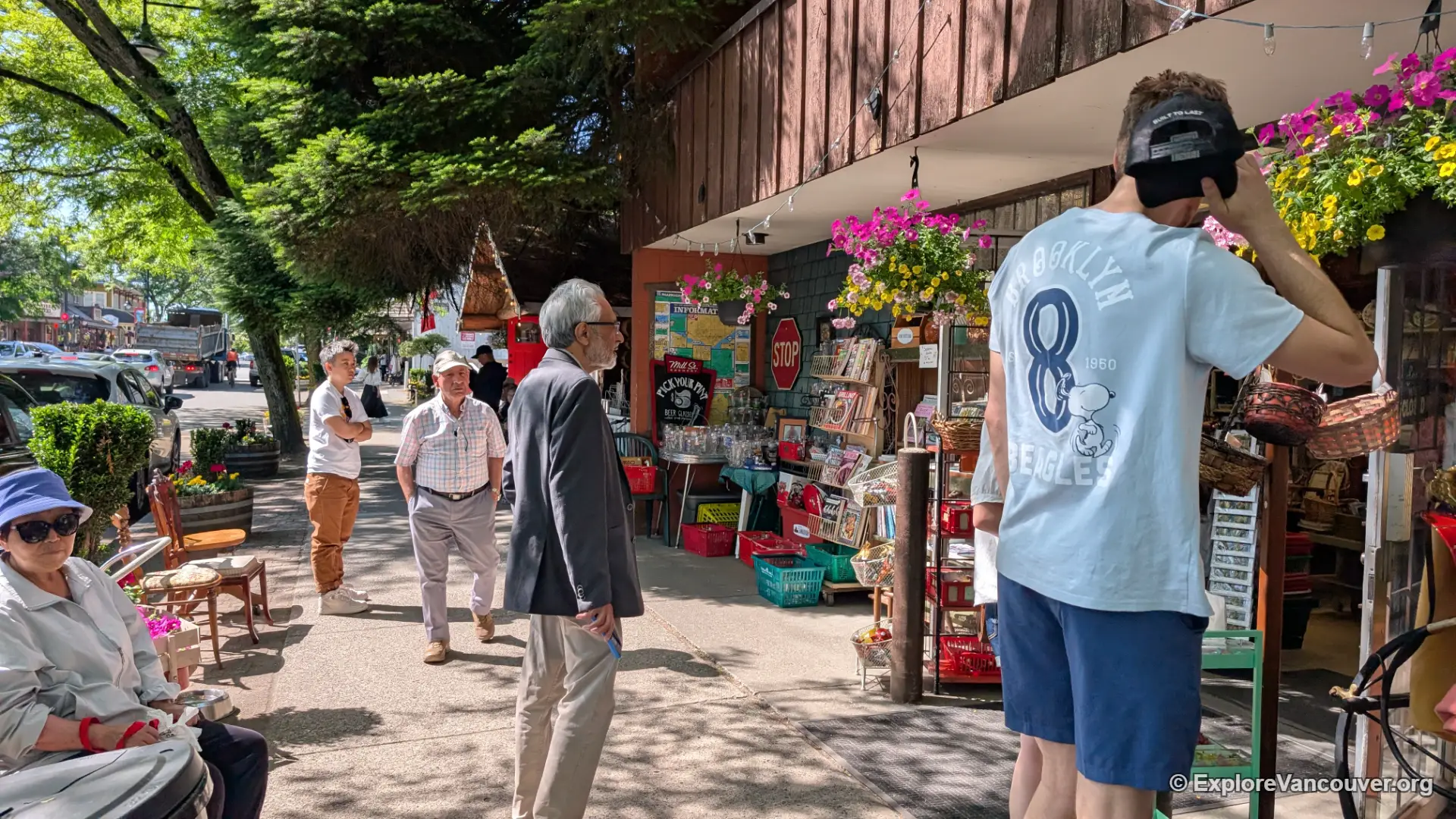
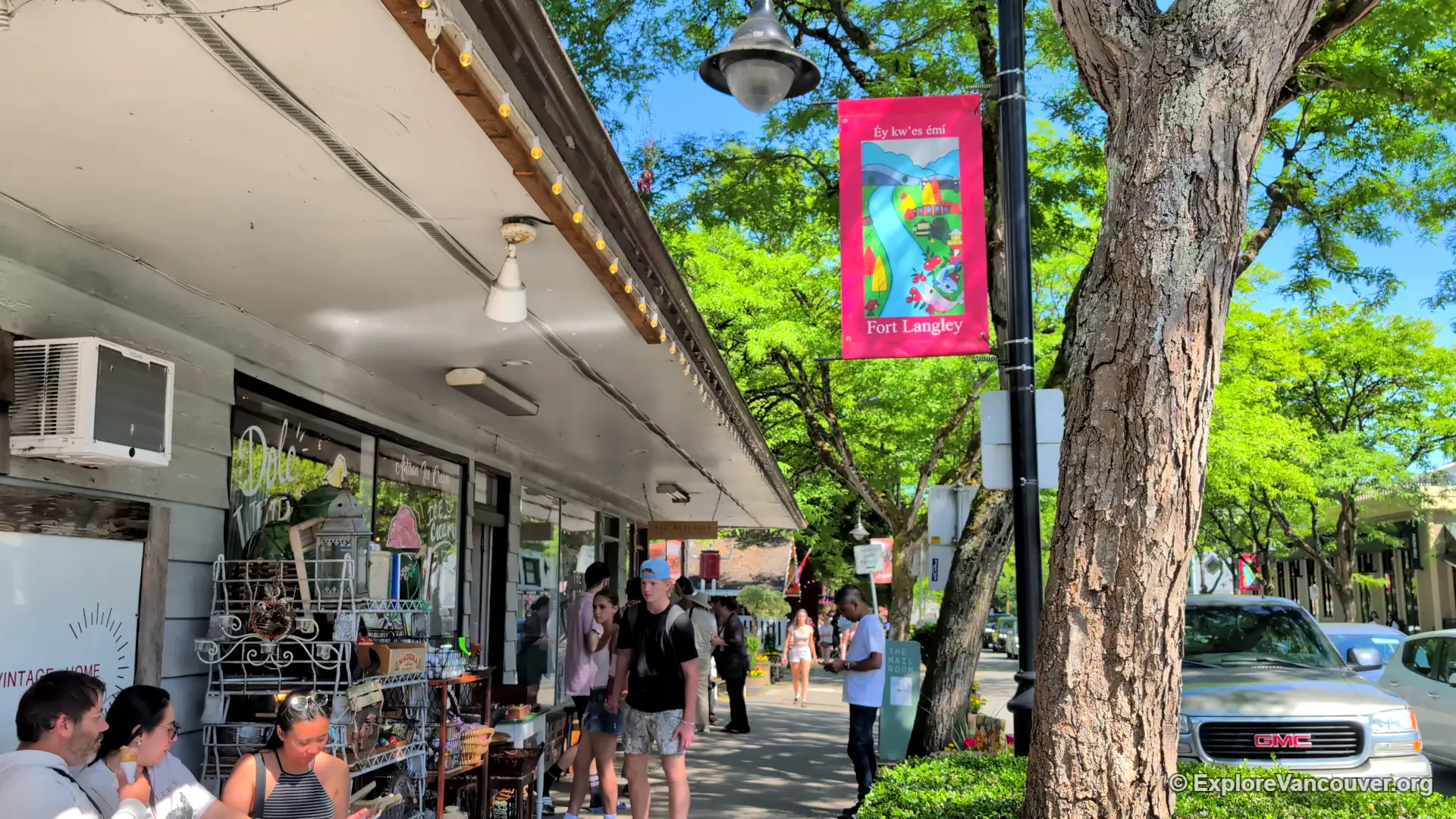
Glover Road is the spine of the village, and it is lined almost entirely with independently owned stores rather than chain retail. Antique hunting is a particular draw here. Multi-dealer antique malls fill entire heritage buildings with vintage furniture, glassware, and collectibles, while smaller specialty shops focus on more curated finds. A short walk in any direction turns up contemporary art galleries showing work from Canadian and international artists, a corner bookstore, and boutiques carrying clothing, home goods, and locally made gifts that change with the seasons.
What sets the shopping apart from a typical retail strip is the pace. Because most stores are small and family or owner-run, browsing tends to come with conversation rather than a rushed checkout, and many shopkeepers know their regular customers by name.
Cafes, Bakeries, and Restaurants
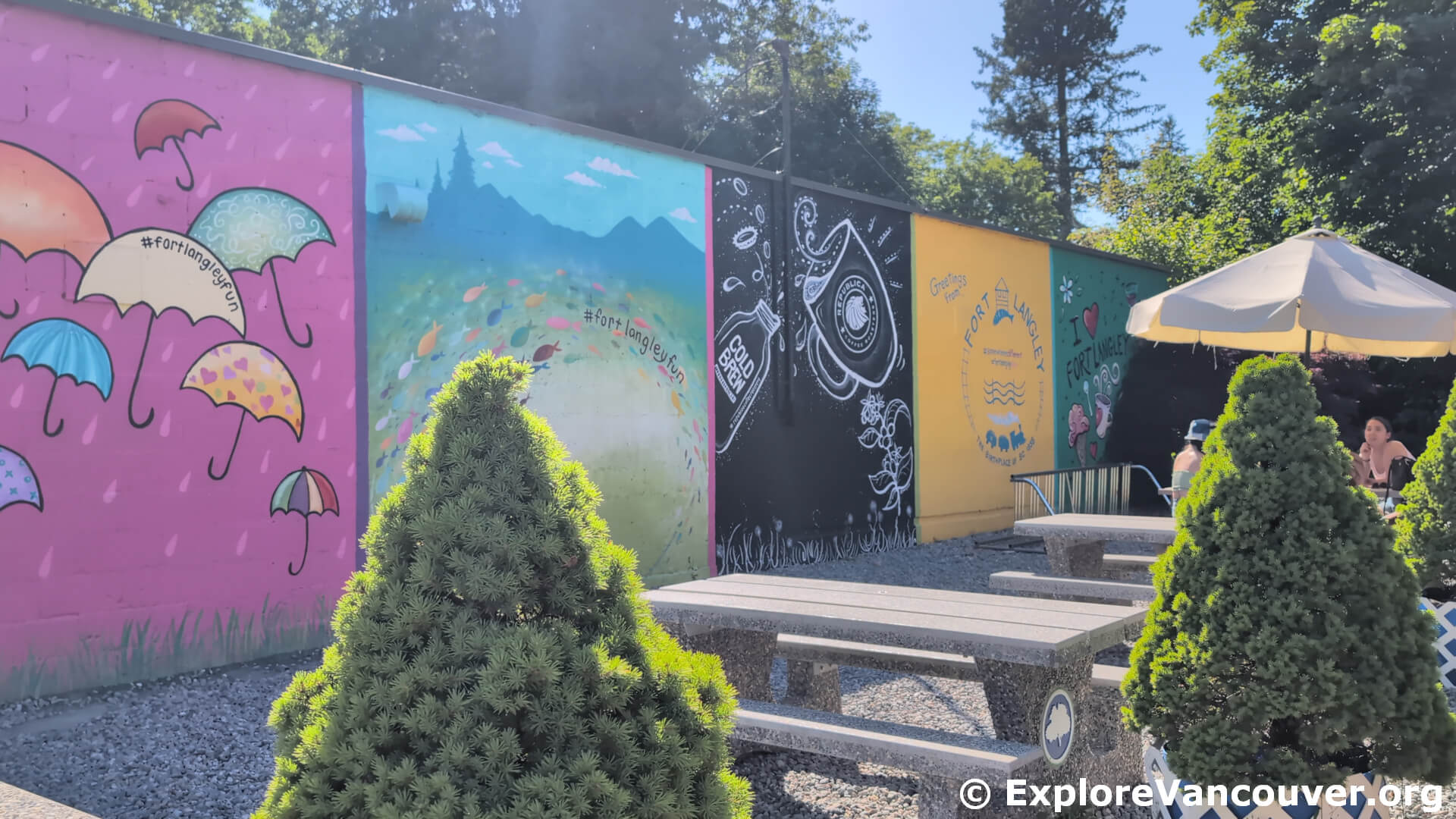
The village’s food scene mirrors its shopping scene: independent, small-scale, and largely free of chains. A well-known local bakery draws regulars for pastries and locally roasted coffee, a bookstore cafe blends shelves of books with a coffee counter for a slower kind of browsing, and a Mediterranean-inspired restaurant is known for scratch cooking, including house-made condiments. Ice cream shops, chocolate makers, and candy stores round out the sweeter end of the strip, which makes Glover Road an easy place to turn a shopping trip into an afternoon of grazing.
Outdoor seating fills quickly on warm afternoons and weekends, so arriving a little earlier in the day tends to mean an easier wait for a table.
Two Landmarks Worth Slowing Down For
Fort Langley Community Hall
Set back from Glover Road behind a sweeping drive and a row of mature maple trees, the Fort Langley Community Hall has anchored the village since it opened in 1931. It was built through years of local fundraising led by the Fort Langley Community Improvement Society, a group formed in 1924 that still owns and operates the building today. The hall’s classic revival architecture and hardwood-floored ballroom have made it a favorite filming location over the years, showing up as a small-town courthouse, art gallery, or town hall in several film and television productions. It remains a working community space, hosting markets, art shows, and seasonal festivities throughout the year.
Heritage CNR Station
A few blocks away at Mavis Avenue and Glover Road, the Heritage CNR Station is one of the last surviving examples of its type of railway station in western Canada. Built in 1915 by the Canadian Northern Railway and absorbed into Canadian National a few years later, the station operated as a working stop until passenger service ended in 1980. Rather than let it disappear, the Langley Heritage Society moved the building to its current site in 1983 and restored it as a small museum, with a waiting room, telegraph office, and freight room open to visitors. A vintage passenger car and caboose sit on the grounds, and volunteers run a miniature model railway inside the caboose on weekends, a detail that makes the station a reliable hit with kids.
Festivals and the Best Time to Visit
Fort Langley Village has a character that shifts with the calendar. Spring and summer bring long, easy afternoons for wandering Glover Road, sitting on a cafe patio, and combining a village visit with time on the Fraser River trails. The village also hosts smaller seasonal gatherings through the year, including community events tied to spring and a summer arts and music festival.
Fall is when the village is busiest, thanks to the long-running Fort Langley Cranberry Festival, held annually on the Saturday before Thanksgiving weekend in October. The event fills Glover Road and the grounds of the Community Hall with local vendors, food trucks, live entertainment, and fresh cranberries, and it typically extends into activities at the National Historic Site and BC Farm Museum as well. Because of the crowds, driving in for the festival means arriving early for parking, or considering transit or cycling instead.
Winter brings a quieter, more local feel to the village, with heritage buildings decorated for the season and smaller crowds along Glover Road, which suits visitors who prefer an unhurried pace over festival energy.
Pairing Your Visit
Fort Langley Village works well as one stop on a longer day out rather than a destination on its own. Fort Langley National Historic Site sits an easy walk from the shops, on the site of the original Hudson’s Bay Company post, and pairs naturally with a stroll through town before or after. The BC Farm Museum is a short drive away and rounds out a fuller day of Fort Langley history for visitors with more time to spend.
The Fraser River waterfront and the Fort-to-Fort Trail add a nature-focused option for anyone who wants to balance the shopping and cafes with time outdoors, whether that means a short riverside walk or a longer bike ride out to Derby Reach Regional Park.
Fort Langley is often called the birthplace of British Columbia, and its village core still carries that history in its brick storefronts, wooden boardwalks, and a Community Hall that has watched over Glover Road since 1931.
Frequently Asked Questions
What is Fort Langley Village known for?
Fort Langley Village is known for its cluster of independently owned boutiques, antique shops, art galleries, and cafes housed in heritage buildings along Glover Road, along with its history as the site of the original Hudson’s Bay Company trading post and the proclamation of British Columbia in 1858.
Is Fort Langley Village walkable?
Yes. The village core is compact and centered on a few blocks of Glover Road, so shops, cafes, the Community Hall, and the historic railway station are all easy to reach on foot.
How far is Fort Langley Village from downtown Vancouver?
It is roughly 45 minutes to an hour by car, depending on traffic and route, which makes it a popular half-day or full-day trip from the city. TransLink bus service and the Fort-to-Fort cycling trail offer alternatives to driving.
Are there chain stores or restaurants in the village?
The village is made up almost entirely of independently owned shops, cafes, and restaurants rather than chain retailers, which is part of its small-town character.
Can I combine a visit with Fort Langley National Historic Site?
Yes. The National Historic Site sits an easy walk from the village center, so many visitors pair a stroll through the shops with a visit to the fort in the same trip.
What is the Fort Langley Cranberry Festival?
It is an annual fall festival held on the Saturday before Thanksgiving weekend in October, filling Glover Road and the Community Hall grounds with local vendors, food trucks, and cranberry-themed activities that extend into the National Historic Site and BC Farm Museum.
Is Fort Langley Village good for kids?
Yes. Along with the shops and cafes, the Heritage CNR Station has a children’s play car and model railway, and the walkable, low-traffic layout of the village core makes it comfortable for families.
Plan Your Fort Langley Trip
Pair your visit with the historic fort and farm museum nearby.
Fort Langley National Historic Site BC Farm Museum More in Fort Langley