Quick Info: Museum of Anthropology at UBC
About the Museum of Anthropology at UBC
The Museum of Anthropology at UBC, known as MOA, sits on the cliffs of Point Grey with views over the water and the North Shore mountains. It is one of the best places in Vancouver to see Northwest Coast First Nations art, from towering poles and carved house frames to canoes, baskets, weaving and contemporary work by living artists.
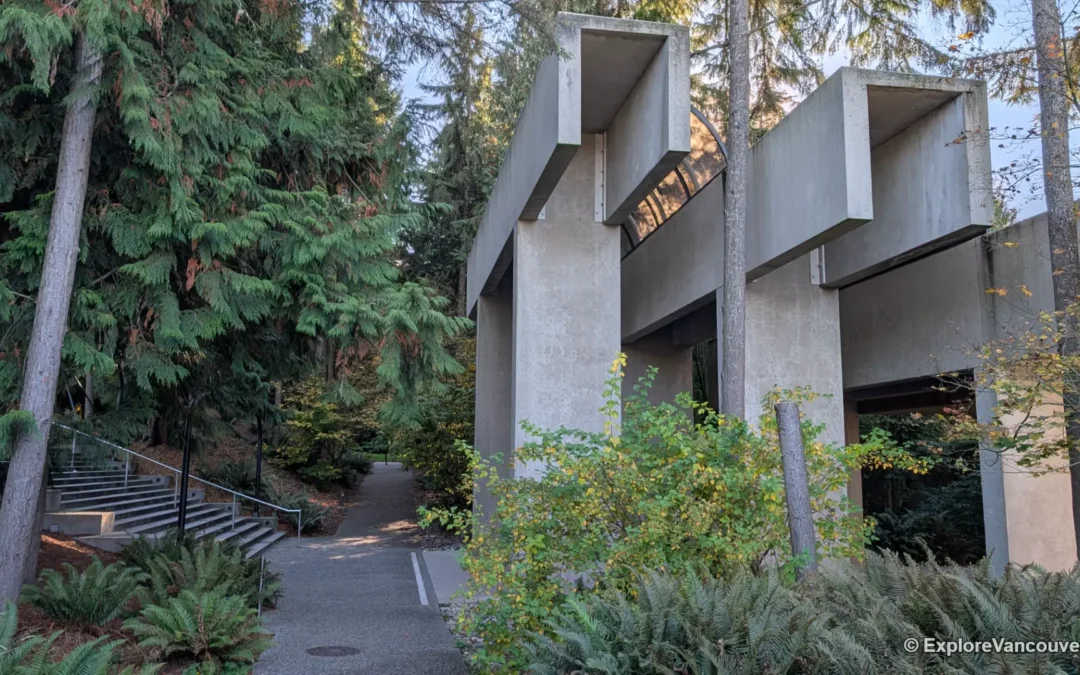
The building is part of the story. Architect Arthur Erickson designed the concrete and glass structure in 1976, taking cues from the post and beam longhouses of Northwest Coast peoples. The museum stands on the traditional, ancestral and unceded territory of the Musqueam people, and many of the displays were developed with First Nations communities and families whose belongings are cared for here.
MOA is one of the main sights on the UBC campus, so it pairs well with a longer day exploring the university grounds, gardens and nearby viewpoints.
If you are comparing options, see our guide to the best museums in Vancouver. MOA is the one most visitors put at the top of the list.
The Great Hall at MOA
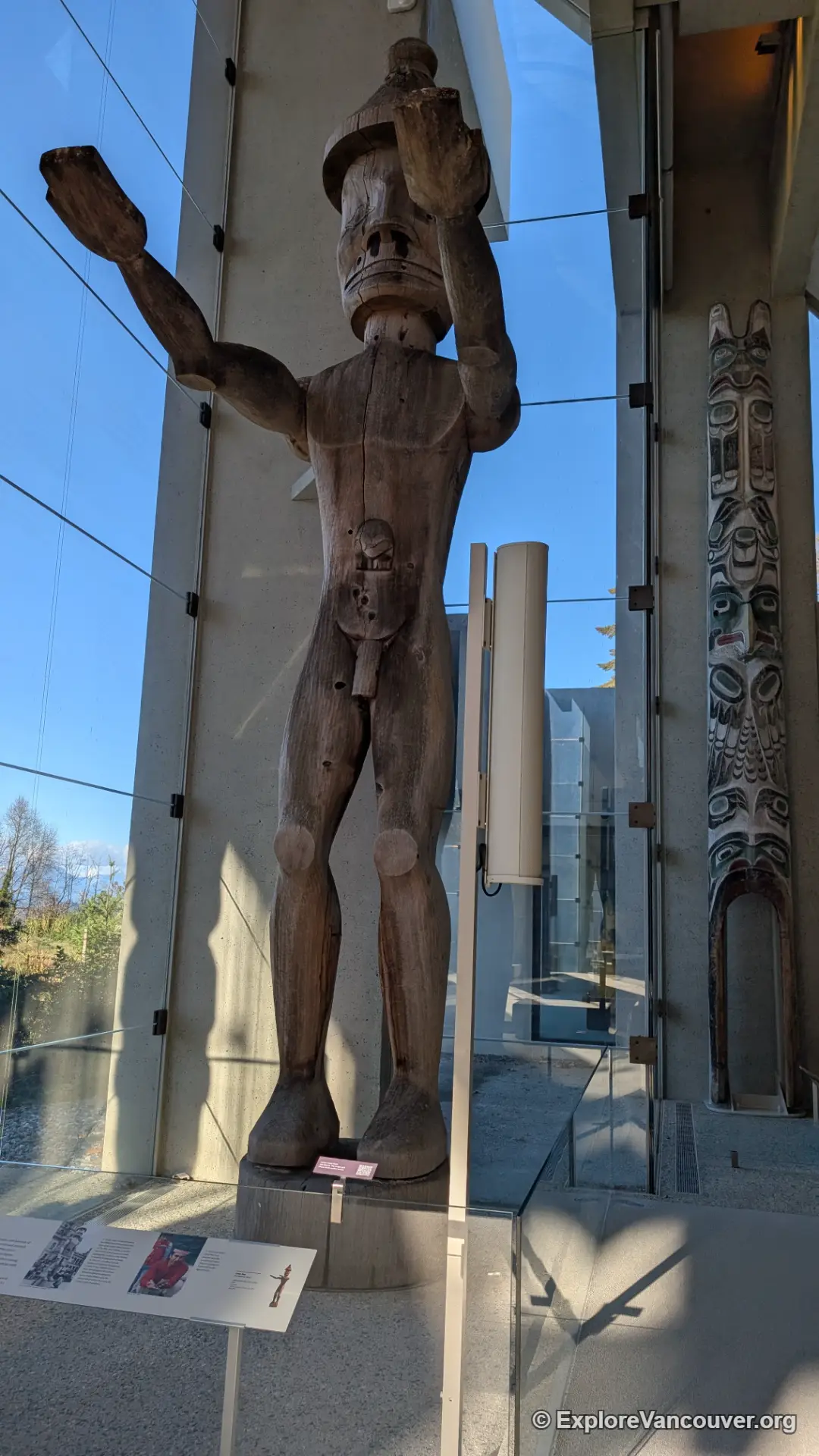
The Great Hall is the reason most people come. Walk down the entry ramp and the room opens up: tall glass walls, concrete columns and monumental poles from several Northwest Coast nations, including Haida, Gitxsan, Nisga'a and Coast Salish carvers. The hall was rebuilt with base isolation technology during an 18 month closure, and the museum reopened on June 13, 2024. The original Erickson design was restored and the displays were revitalized with First Nations communities.
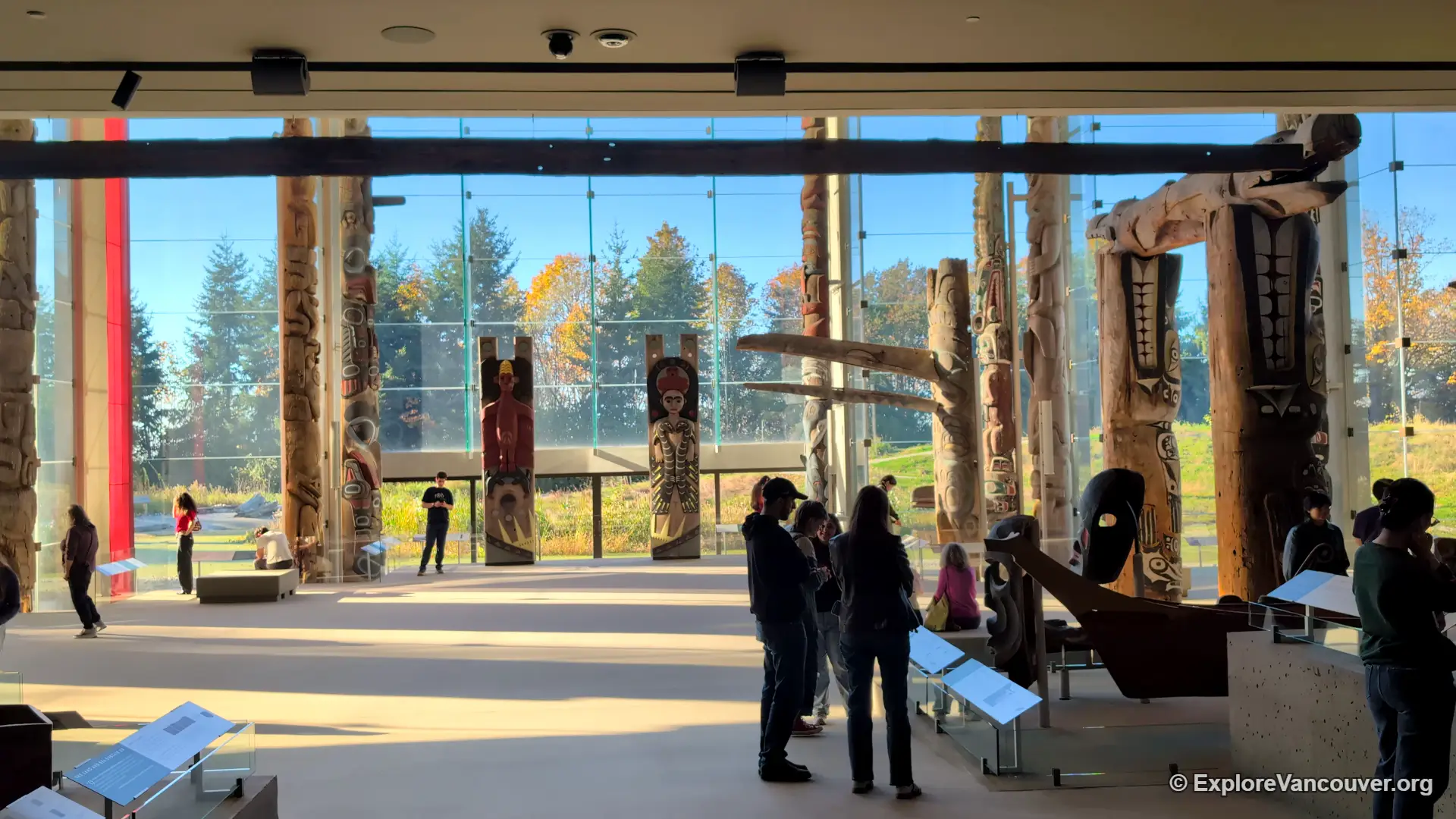
Take your time with the poles. Each one carries crests and stories, and the wall labels explain the nations, artists and meanings behind them. Late in the day the light through the glass is the best of the visit.
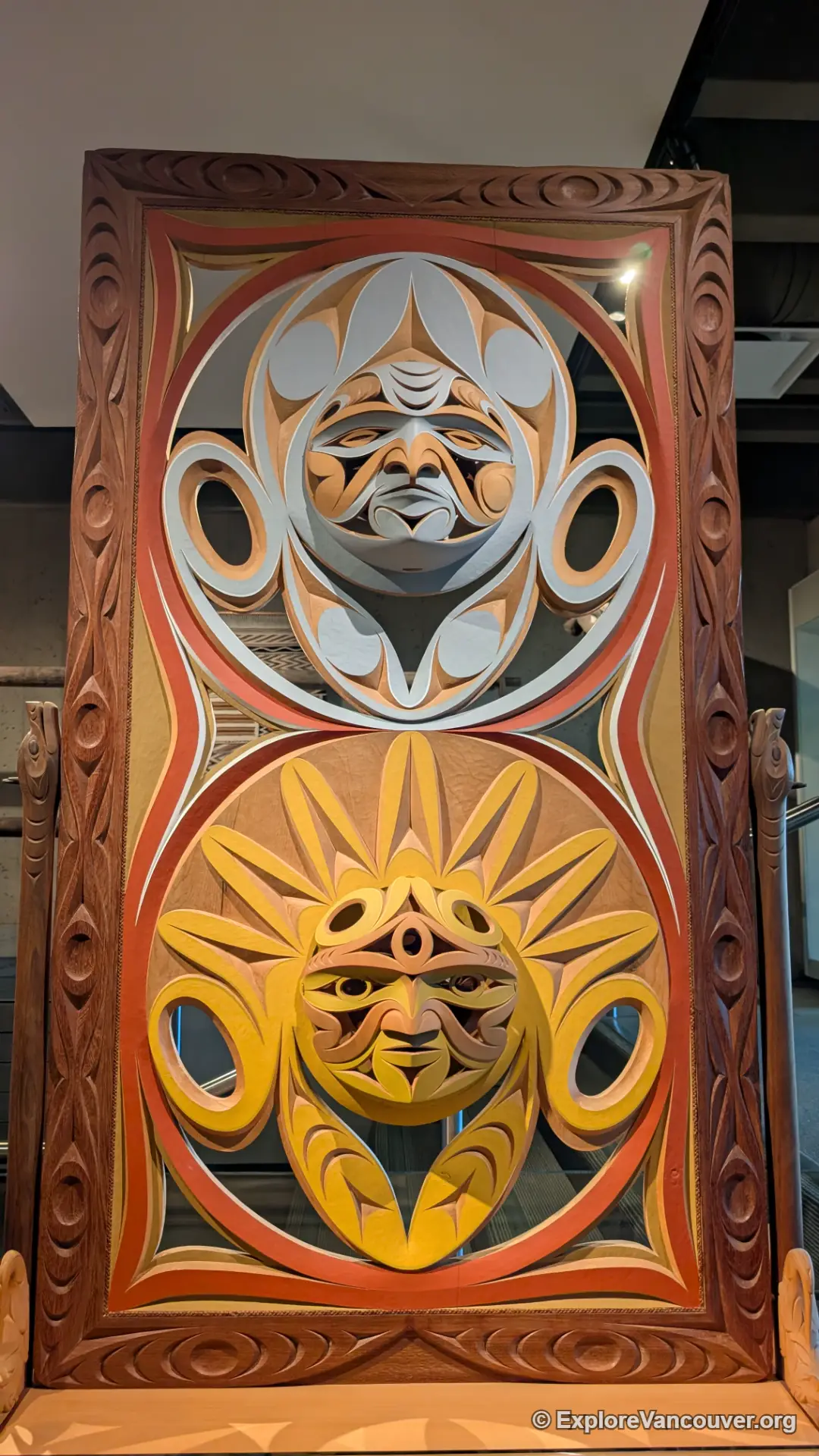
Bill Reid and The Raven and the First Men
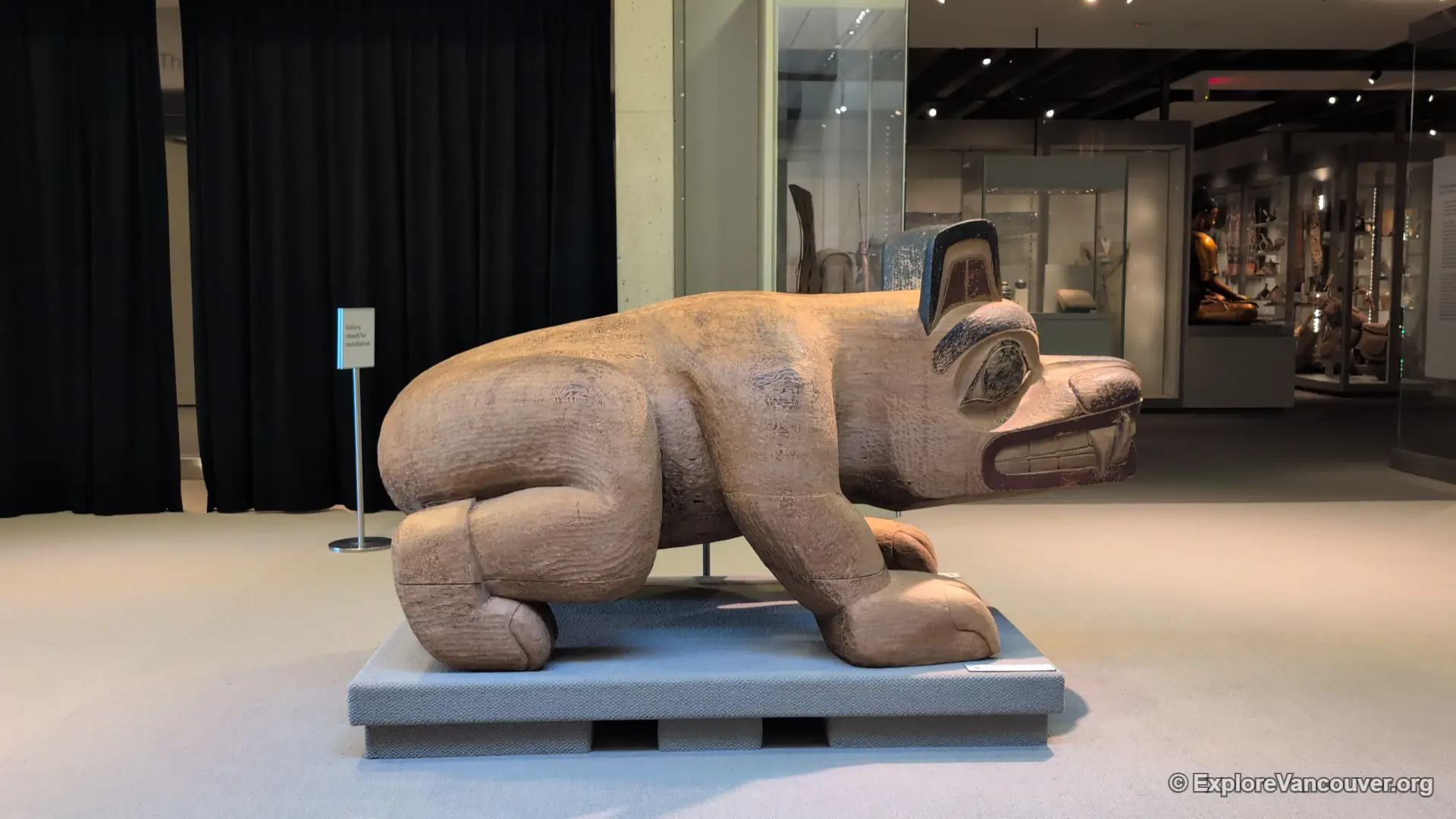
The Bill Reid Rotunda holds MOA's best known work, The Raven and the First Men, a carved cedar sculpture by Haida artist Bill Reid, finished in 1980. It shows the trickster Raven finding the first humans inside a clamshell on a beach and coaxing them out into the world.
MOA holds the world's largest collection of Bill Reid's work, so the rotunda is worth more than a quick look. Walk all the way around the sculpture, because the figures read differently from every angle.
Multiversity Galleries: Ways of Knowing
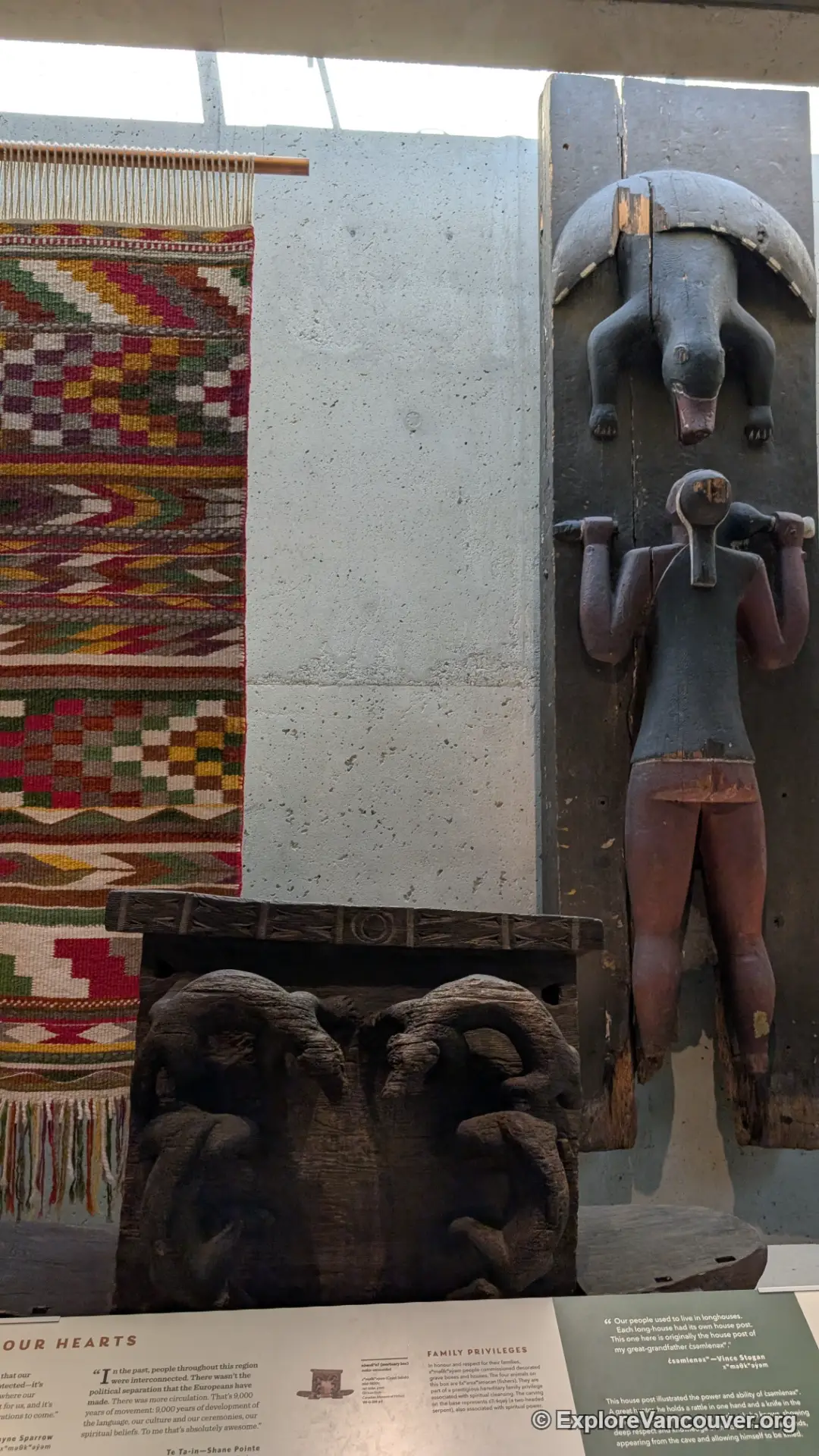
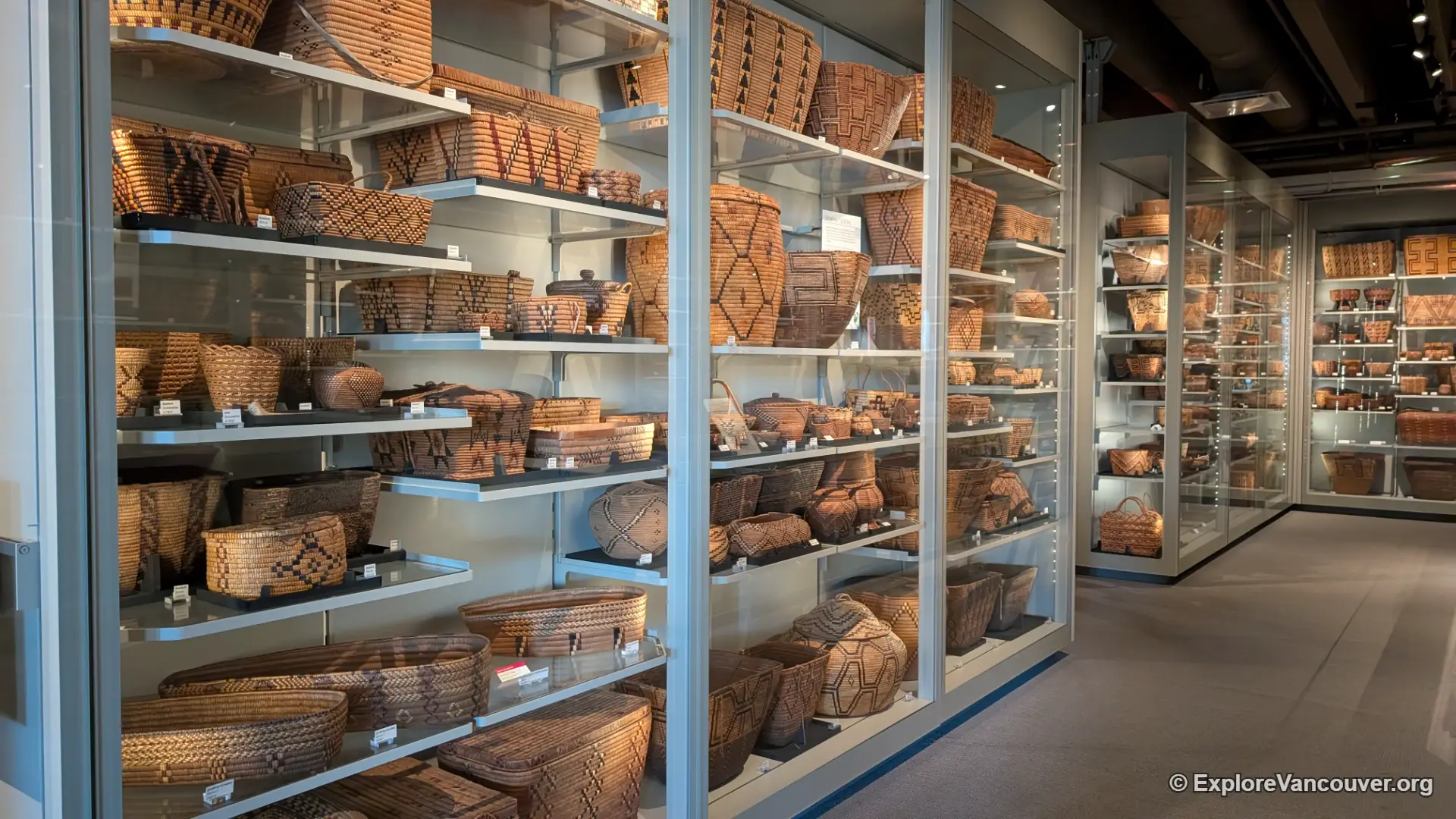
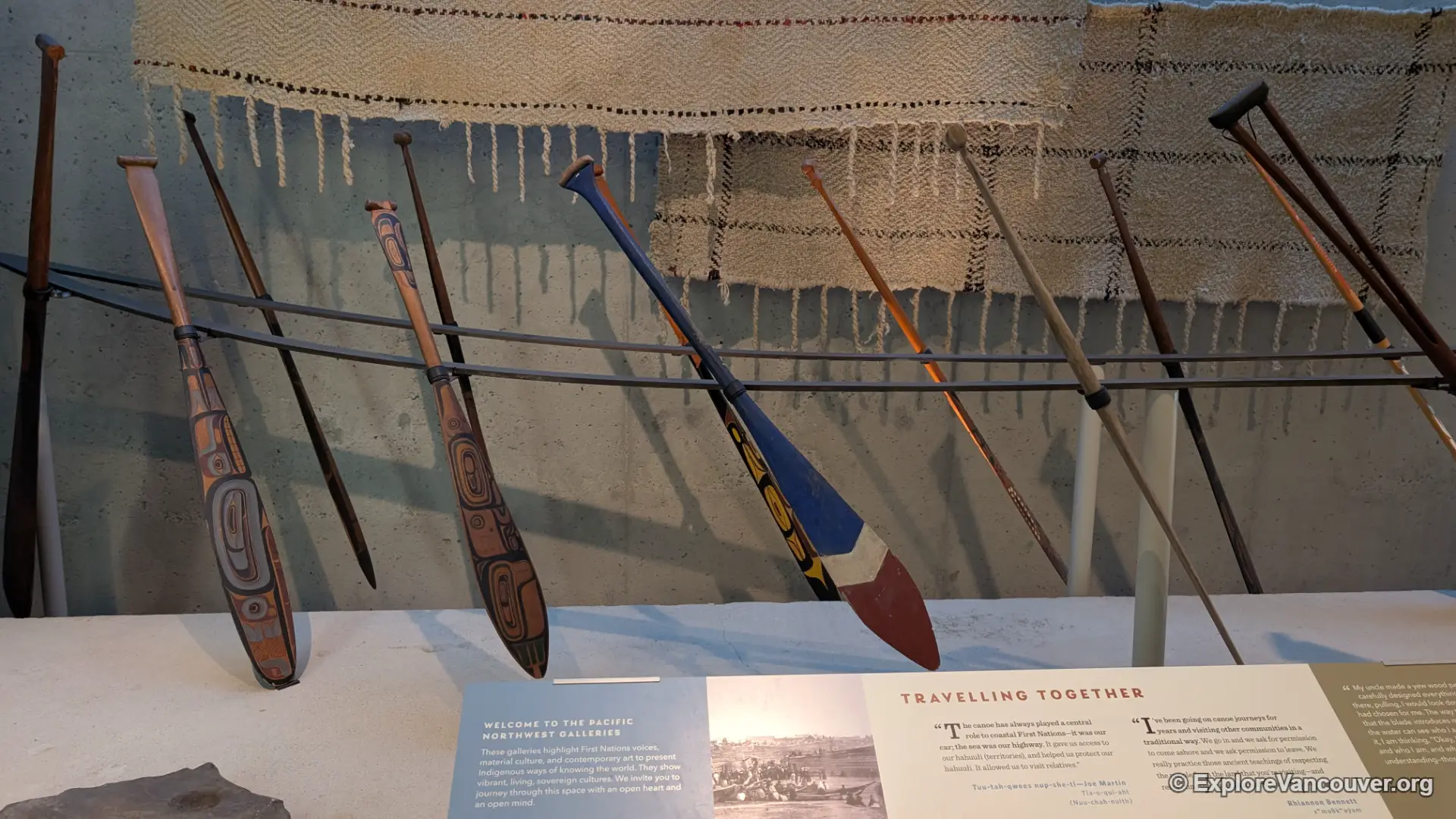
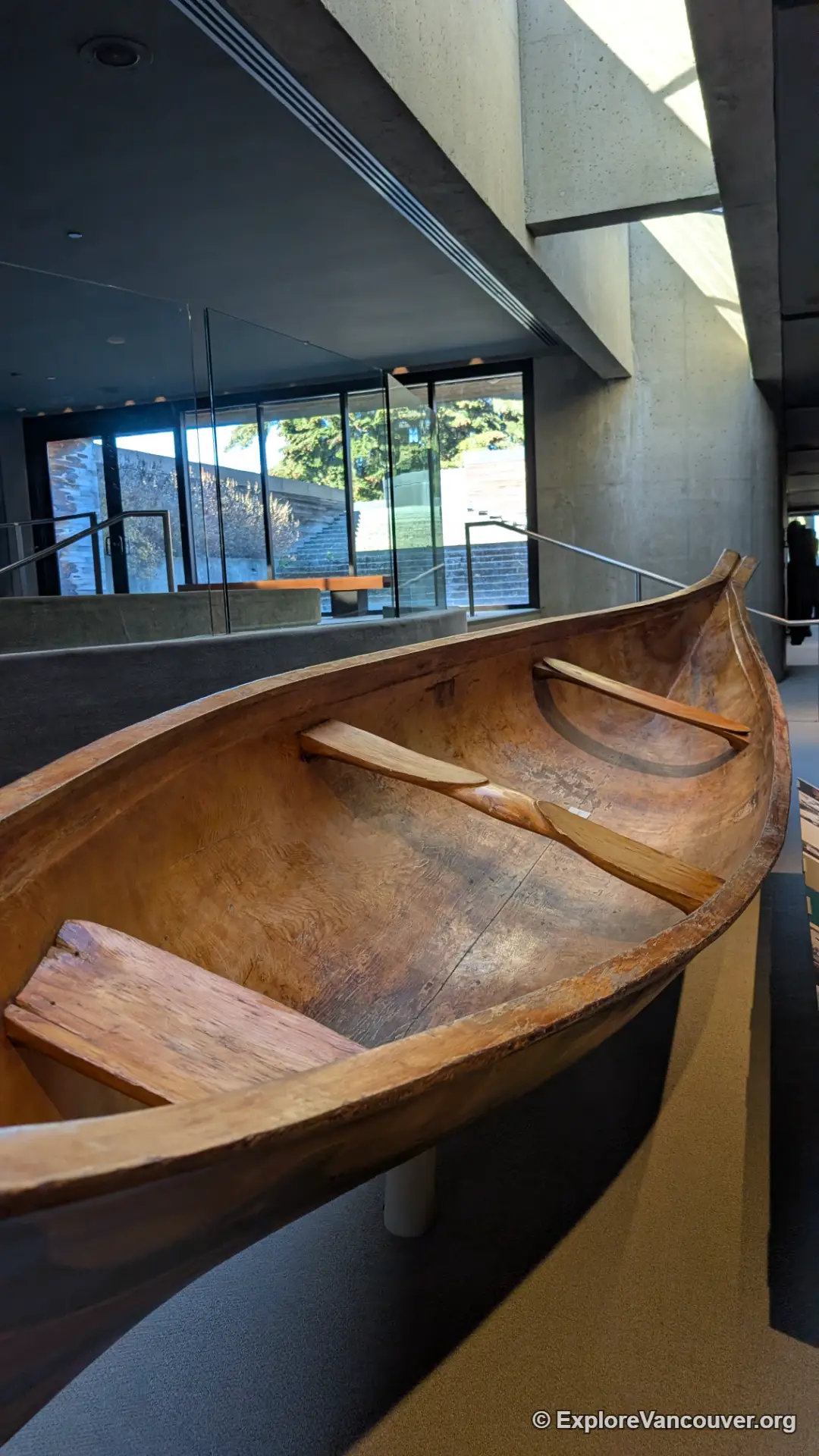
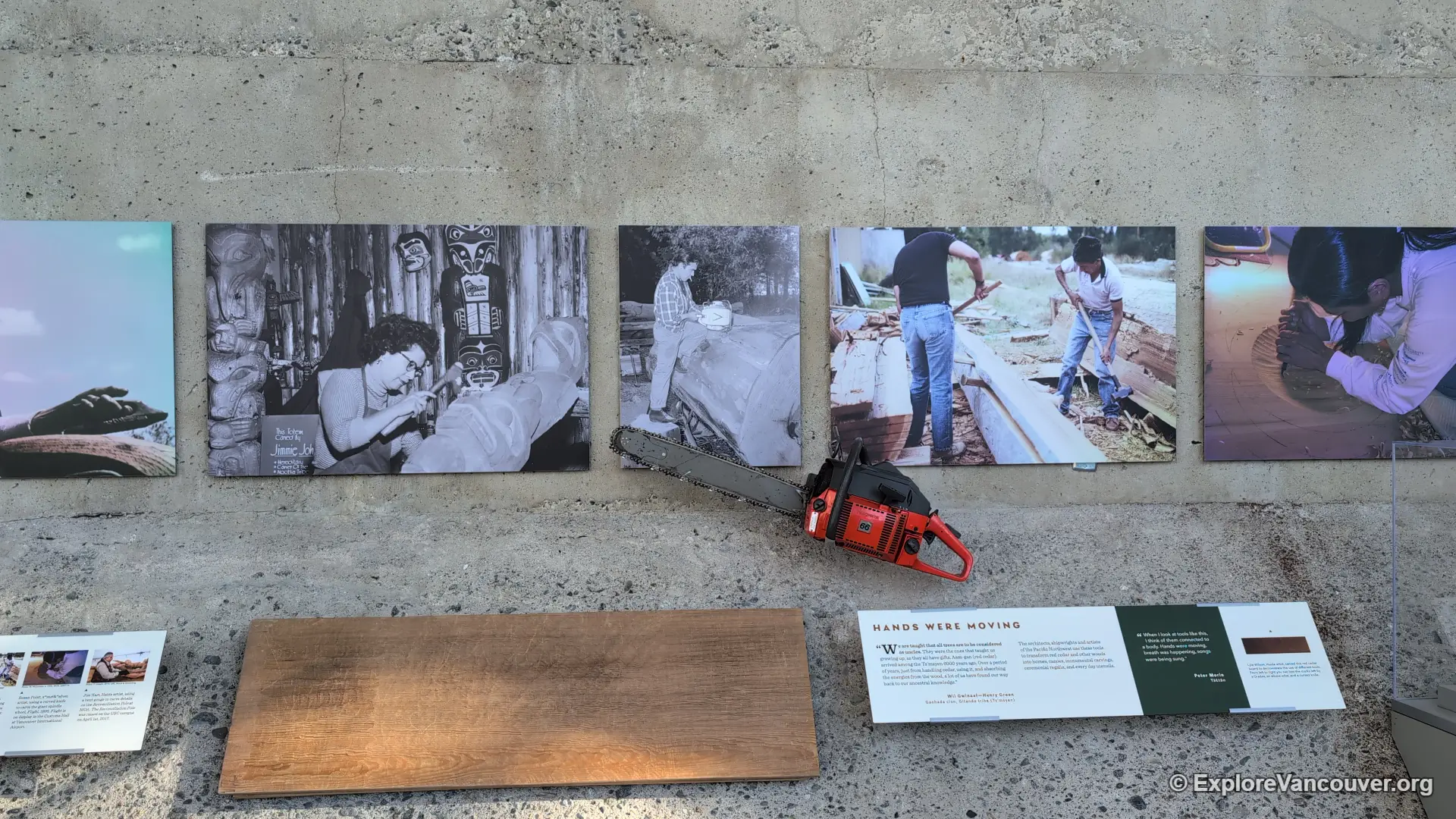
Beyond the Great Hall, the Multiversity Galleries put more than 9,000 objects from around the world on open display, arranged like a visible storage collection. Drawers pull out, shelves are packed with objects, and nothing feels staged. Expect Indigenous baskets, carved paddles, canoes, textiles and everyday objects from many cultures.
Koerner Ceramics Gallery and Collections From Around the World
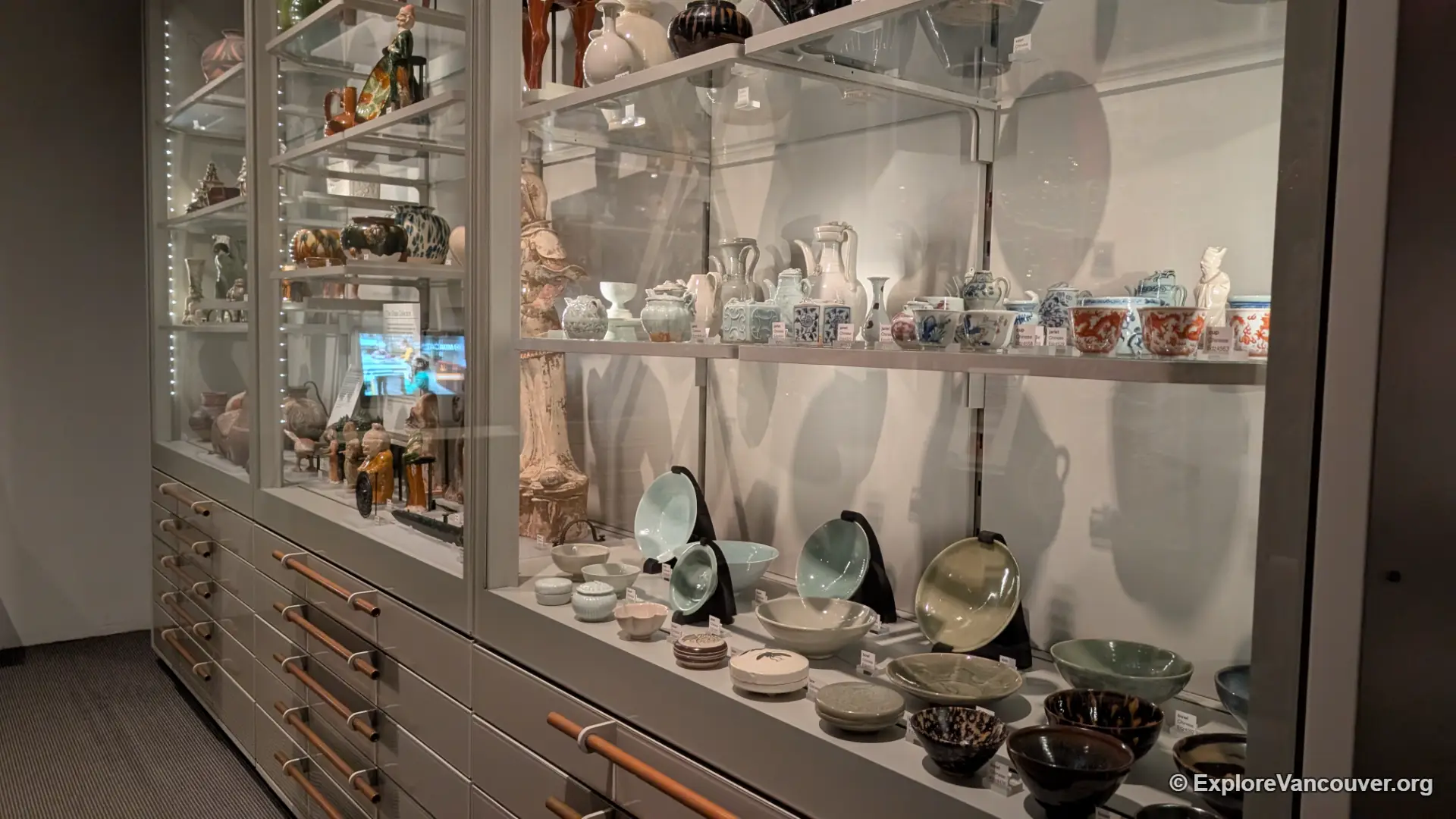
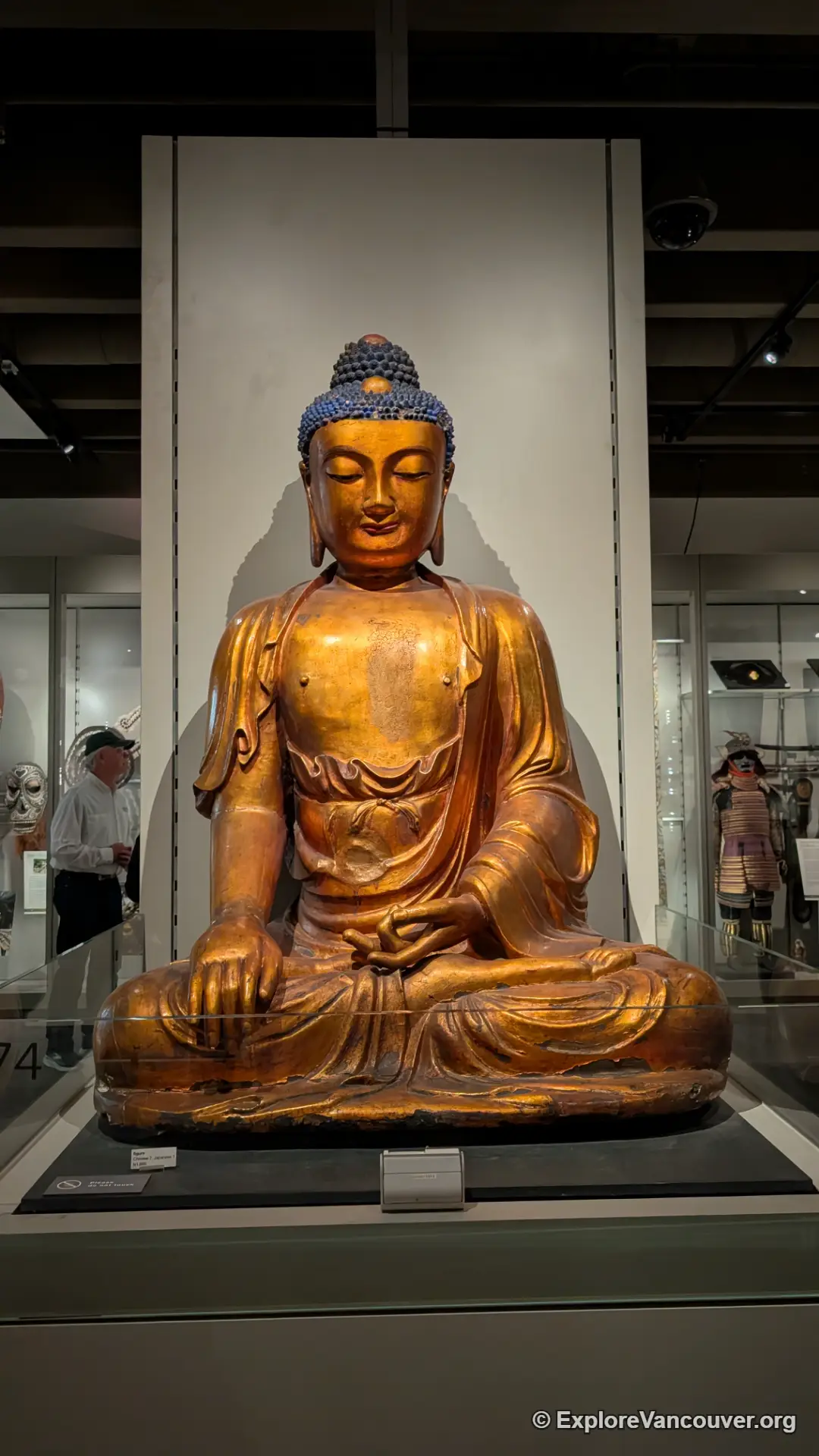
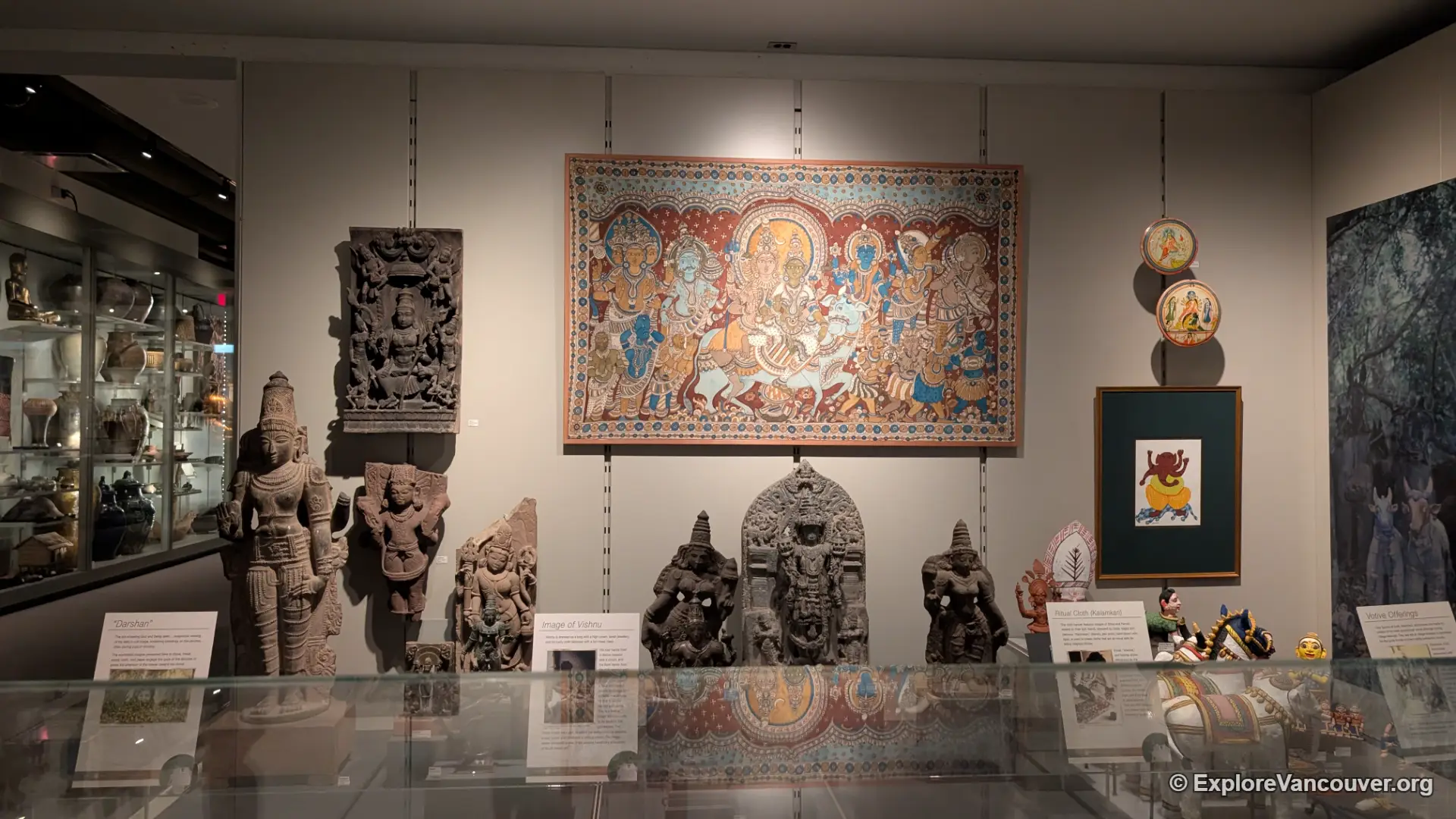
The Koerner Ceramics Gallery shows a large collection of European ceramics, a surprise for a museum known for Northwest Coast art. Nearby you will find Asian and South Asian pieces, including sculpture and devotional objects that show how widely the collection reaches.
Outdoor Haida Houses and Musqueam House Posts
Do not skip the grounds. Behind the building, monumental Haida houses and poles stand beside Musqueam house posts, with the water and mountains behind them. This is one of the most photographed spots on the UBC campus and it is free to walk around when you are on site. Allow time to wander slowly and read the signs, since each structure has its own history.
For more poles around Vancouver, see our guide to the Stanley Park totem poles.
Cedar Cafe and the MOA Shop
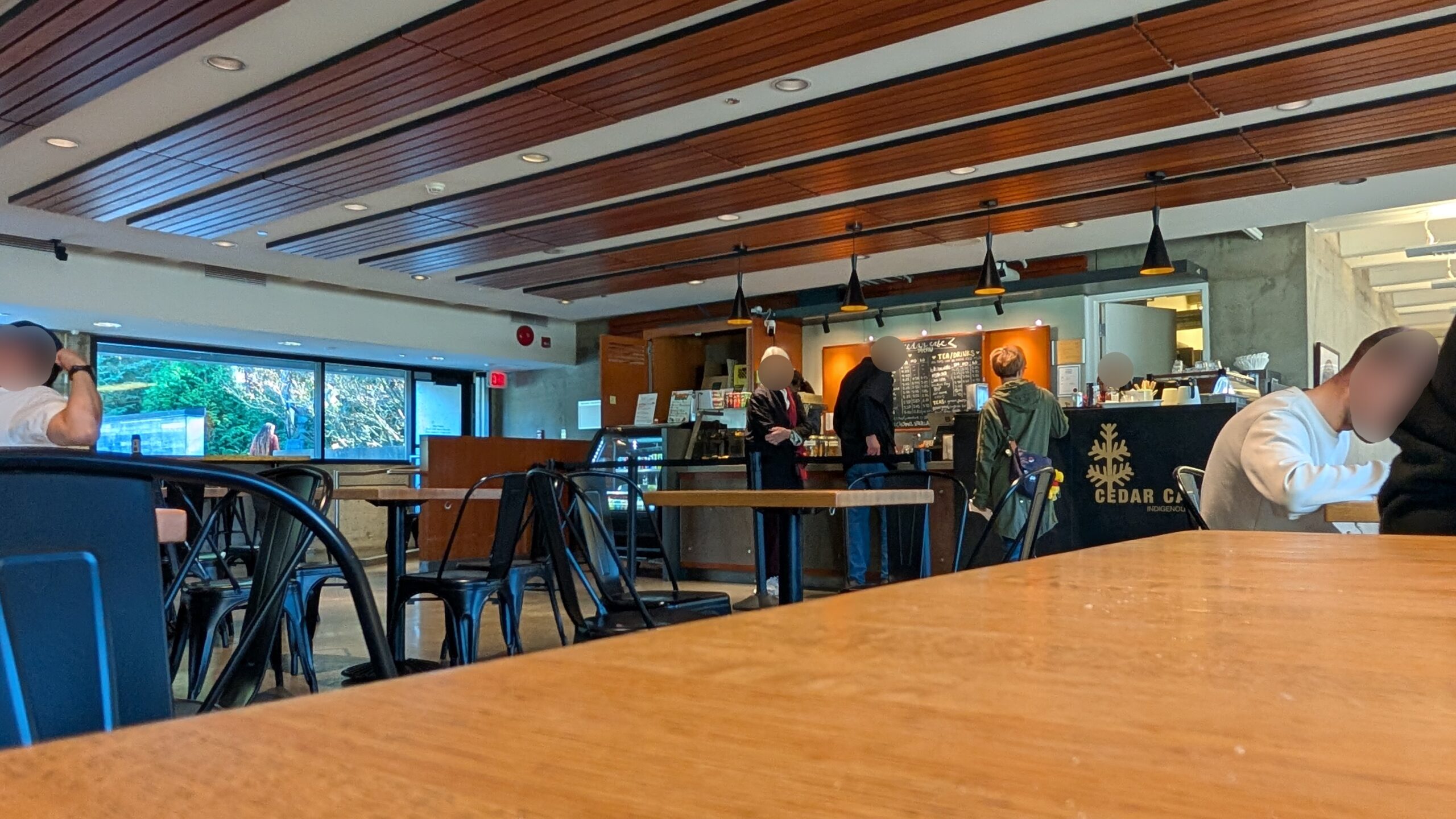
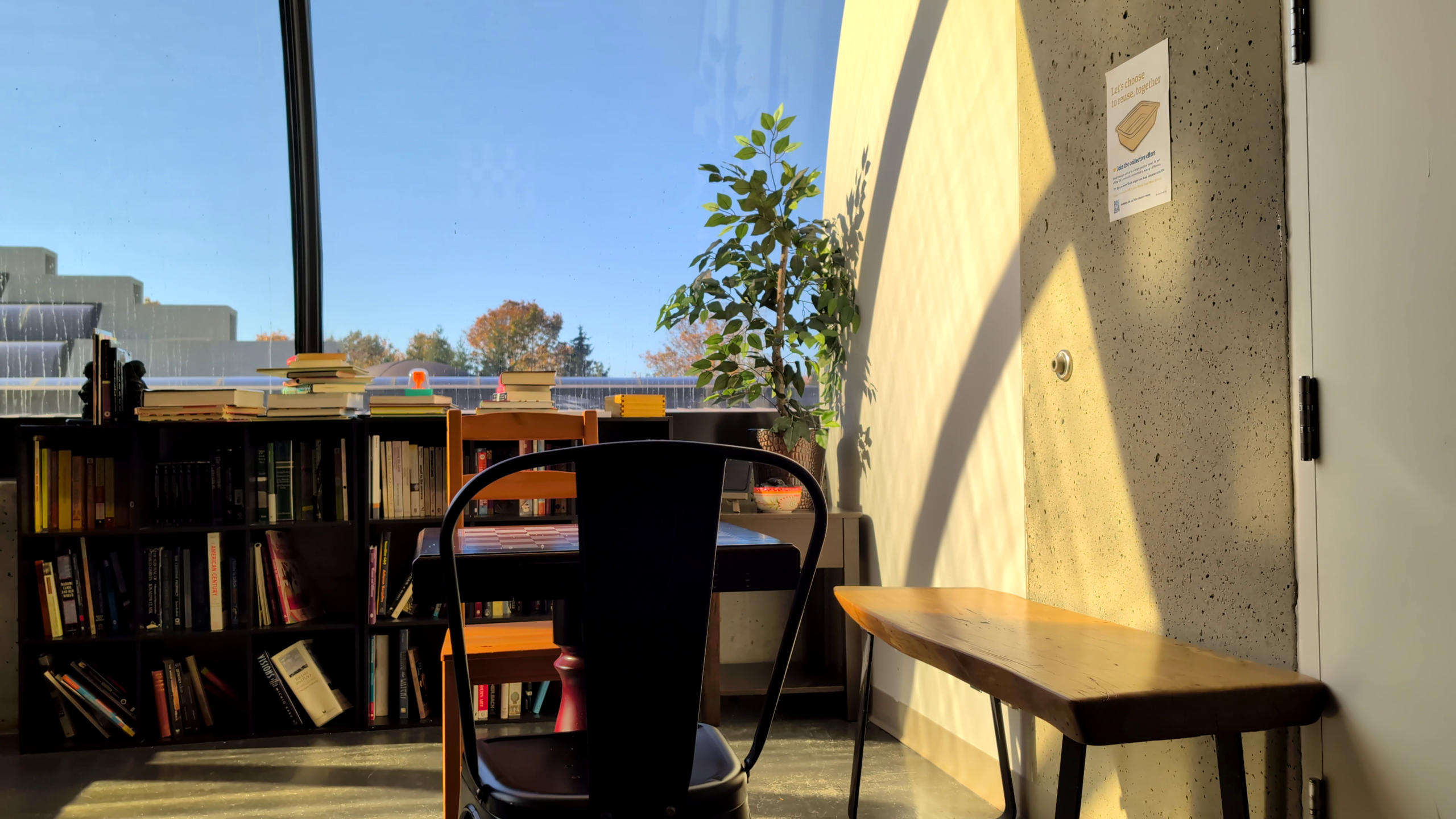
Cedar Cafe is the on-site spot for coffee, lunch or a snack before or after the galleries. The MOA Shop is worth a stop too, with books, jewellery, prints and work by Indigenous artists, so purchases support the artists and the museum.
Planning Your Visit to the Museum of Anthropology
Getting there
MOA is about 20 minutes from downtown Vancouver by car. By transit, take a bus to the UBC bus loop at the centre of campus, then continue to the museum. Check TransLink for current routes.
Parking
Paid parking is available on the UBC campus near the museum. Lot locations and rates change, so confirm on the official MOA visit page before you drive.
Tickets and hours
Admission is paid, with free entry for some groups, including Indigenous peoples, UBC students, staff and faculty, and MOA members. Always confirm current prices and hours on moa.ubc.ca.
Best time to go
Weekday mornings are usually the quietest. Late afternoon gives the best light in the Great Hall, and rainy days make this a great indoor plan.
Photography
Rules can differ by gallery and exhibit, so follow the signs and ask staff if you are unsure. Please be respectful around ceremonial and sacred pieces.
Accessibility
The museum has ramps and accessible routes. For specific needs, contact MOA before you visit so staff can help you plan.
Visiting With Respect
Many pieces at MOA are living cultural belongings, not just art. Read the labels, listen to the Indigenous voices woven through the displays, and treat the museum as a place to learn. Free guided gallery walks and public programs are offered at times, so check the events page on the MOA website.
More to See on the UBC Campus and Nearby
UBC Campus
MOA sits within the campus, which has gardens, libraries and viewpoints. Start with our University of British Columbia (UBC) guide.
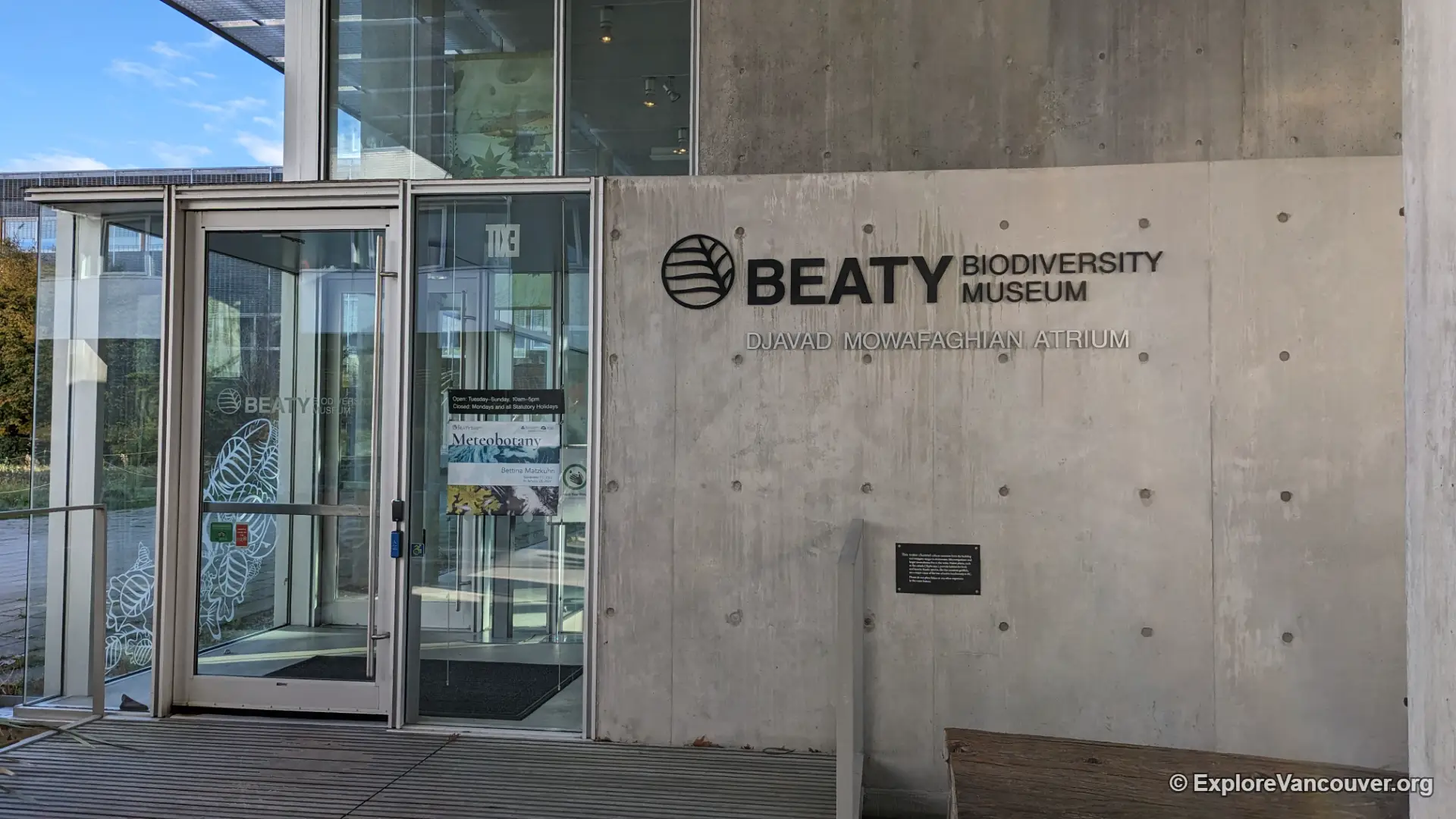
Beaty Biodiversity Museum
A natural history museum on campus, known for its giant blue whale skeleton. A good pairing if you are visiting with kids.
UBC Rose Garden and Nitobe Memorial Garden
Two quiet gardens on campus. For more garden ideas across the region, read our best gardens in Metro Vancouver guide.
Wreck Beach
A famous beach below the cliffs. It is clothing optional and reached by a long staircase, so read the Wreck Beach guide first.
More Vancouver ideas are on our Vancouver page.
Museum of Anthropology UBC FAQ
Where is the Museum of Anthropology at UBC?
The Museum of Anthropology at UBC, usually called MOA, is at 6393 NW Marine Drive on the UBC Point Grey campus in Vancouver, on the cliffs above the Strait of Georgia. It is about 20 minutes from downtown Vancouver by car.
What is the Museum of Anthropology at UBC known for?
MOA is known for its Northwest Coast First Nations art, the Great Hall with its monumental poles and carvings, Bill Reid's sculpture The Raven and the First Men, the Multiversity Galleries, and the Arthur Erickson designed concrete and glass building.
How long should I plan for a visit to MOA?
Most visitors spend two to three hours. Plan closer to three if you want to see the Great Hall, the Bill Reid Rotunda, the Multiversity Galleries, the outdoor Haida houses and a temporary exhibition.
How much does it cost to visit the Museum of Anthropology?
Admission is charged in several categories, and some groups, including Indigenous peoples, UBC students, staff and faculty, and MOA members, can enter free. Prices and hours change, so check the official MOA website before you go.
Is the Great Hall open after the seismic upgrade?
Yes. The Great Hall was rebuilt with base isolation technology during an 18 month closure and the museum reopened to the public on June 13, 2024. The displays were revitalized with First Nations communities and families.
How do I get to MOA by transit?
Take a bus to the UBC bus loop at the centre of campus, then walk or use a campus connection to the museum. Check TransLink for current routes and trip times from your starting point.
Is there parking at the Museum of Anthropology?
Paid parking is available on the UBC campus near the museum. Rates and lot locations change, so check the official MOA visit page and UBC parking before you drive.
Can I take photos inside MOA?
Photography rules can differ by gallery and by exhibit, so follow the signs and ask staff if you are unsure. The Great Hall, the Bill Reid Rotunda and the outdoor poles are the most photographed areas.
Is there somewhere to eat at the Museum of Anthropology?
Yes. Cedar Cafe is the on-site cafe, and the MOA Shop is next to it for books, jewellery and Indigenous art. Hours can change, so check before you go.
What else is near the Museum of Anthropology in Vancouver?
The UBC campus is full of things to see, including the Beaty Biodiversity Museum, the UBC Rose Garden and Nitobe Memorial Garden. Wreck Beach is nearby, but it involves a long staircase and is clothing optional.
Plan Your Visit
Bring a camera, comfortable shoes and a few hours. Check the official site for current hours, admission and exhibitions before you head out to Point Grey.
Official MOA Website More Museums in Vancouver