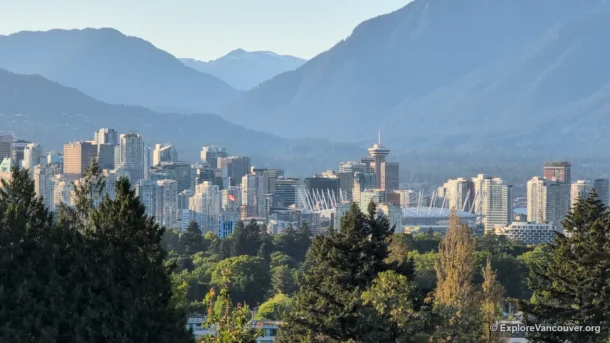
Vancouver is best known for its mountains, ocean views and outdoor lifestyle, but the city has a deep cultural side that many visitors miss. From world-class collections of Indigenous art to a hands-on science centre under a giant geodesic dome, a historic police morgue, a Pacific maritime fleet and a museum of the city’s own neon-lit past, the best museums in Vancouver tell the story of the people, land and sea that shaped British Columbia.
Whether you have a rainy afternoon to fill, are travelling with kids, or simply want to understand the city beyond its postcard views, this guide covers the best museums in Vancouver and a few worthwhile ones nearby in Burnaby, Richmond, Fort Langley and along the Sea to Sky Highway. For each one you will find what it is, what to see, who it suits, how long to allow and practical tips for visiting.
A note on prices and hours: admission, opening days and special exhibitions change often, and several museums close one day a week or run seasonal hours. Always confirm details on each museum’s official website before you go.
Best Museums in Vancouver at a Glance
| Museum | Area | Best for | Allow |
|---|---|---|---|
| Museum of Anthropology at UBC (MOA) | UBC / Point Grey | Indigenous art and culture | 2 to 3 hours |
| Science World | False Creek | Families and hands-on science | 2 to 4 hours |
| Vancouver Art Gallery | Downtown | Fine art and major exhibitions | 1.5 to 2.5 hours |
| Museum of Vancouver | Kitsilano / Vanier Park | Local history and culture | 1.5 to 2 hours |
| Vancouver Maritime Museum | Kitsilano / Vanier Park | Ships and Arctic exploration | 1 to 2 hours |
| H.R. MacMillan Space Centre | Kitsilano / Vanier Park | Astronomy and planetarium shows | 1.5 to 2.5 hours |
| Bill Reid Gallery of Northwest Coast Art | Downtown | Contemporary Indigenous art | About 1 hour |
| Beaty Biodiversity Museum | UBC | Natural history and wildlife | 1.5 to 2 hours |
| Chinese Canadian Museum | Chinatown | Chinese Canadian history | 1 to 1.5 hours |
| Vancouver Police Museum | Gastown / Strathcona | True crime and forensic history | 1 to 1.5 hours |
| Nikkei National Museum & Cultural Centre | Burnaby | Japanese Canadian history | About 1 hour |
| Burnaby Village Museum | Burnaby | Living history for families | 2 to 3 hours |
| Gulf of Georgia Cannery National Historic Site | Steveston, Richmond | Fishing and canning heritage | About 1.5 hours |
| Fort Langley National Historic Site (Day Trip) | Fort Langley | Fur trade and BC’s birthplace | About 2 hours |
| Britannia Mine Museum (Sea to Sky Day Trip) | Britannia Beach | Mining history on the Sea to Sky Highway | 2 to 3 hours |
Museum of Anthropology at UBC (MOA)
If you only visit one museum in Vancouver, make it the Museum of Anthropology. Designed by architect Arthur Erickson and set on the cliffs of the University of British Columbia’s Point Grey campus, the building is a work of art in its own right. Its Great Hall, with soaring glass walls and massive carved poles, is one of the most memorable interiors in Canada.
What to see
- The Great Hall, home to monumental totem poles and house posts from Northwest Coast First Nations. The museum sits on the traditional territory of the Musqueam.
- The Raven and the First Men, Bill Reid’s celebrated cedar sculpture based on a Haida story of creation.
- The Multiversity Galleries, an open storage display of thousands of objects from around the world that you can browse in drawers and cases.
- Outdoor Haida houses and poles overlooking the water, with views toward the mountains.
- Rotating contemporary exhibitions, often featuring living Indigenous artists.
Good to know
- Best for: Indigenous art, architecture lovers, adults and older children.
- Time needed: 2 to 3 hours, more if you like reading the displays.
- It is a bus ride from downtown and pairs well with Pacific Spirit Regional Park or the UBC Botanical Garden.
- Look for guided tours and Indigenous-led programs, which add valuable context.
Science World
The shining silver dome at the end of False Creek is one of Vancouver’s best-known landmarks. Built as the Expo Centre for Expo 86, it now houses Science World, a lively science centre that makes learning feel like play.
What to see
- Interactive galleries covering the human body, physics, engineering, light, sound and the natural world.
- The Ken Spencer Science Park, an outdoor area with hands-on exhibits.
- The OMNIMAX theatre, with its giant domed screen, for immersive documentary films.
- Visiting exhibitions and adult-only evening events with food, drinks and science demonstrations.
Good to know
- Best for: families with children, school-age kids, curious adults.
- Time needed: 2 to 4 hours. Weekends and school holidays are busy, so weekday mornings are calmer.
- It is beside the Main Street Science World SkyTrain station, one of the easiest museums to reach by transit.
- Pair it with a walk or cycle along the False Creek seawall.
Vancouver Art Gallery
Housed in a handsome former courthouse beside Robson Square, the Vancouver Art Gallery is one of the largest art museums in western Canada. Its permanent collection is especially strong in the work of British Columbia artist Emily Carr and in photo-conceptual works by artists associated with Vancouver.
What to see
- Emily Carr’s paintings of Indigenous villages and West Coast forests.
- Rotating major exhibitions of contemporary, modern and historical art from Canada and around the world.
- Work by leading Indigenous artists and Vancouver’s internationally recognised photo-conceptual artists.
Good to know
- Best for: art lovers and rainy-day downtown visits.
- Time needed: 1.5 to 2.5 hours.
- It is steps from Robson Street, Granville Street and Robson Square, so it combines easily with shopping, dining and a downtown walk.
- A new purpose-built gallery, the Chan Centre for the Visual Arts, has been planned for a site near Cambie and West Georgia, but the gallery is still in its Robson Square building. Confirm which location is open before you go.
- Check the gallery’s website for discounted admission and any by-donation evenings.
Museum of Vancouver
Set in Vanier Park, the Museum of Vancouver tells the city’s own story through everyday objects, vintage signs, fashion, photography and design. You will recognise it by the giant steel crab sculpture outside and the curved roof inspired by a traditional hat.
What to see
- The famous collection of neon signs from Vancouver’s past, once the pride of a city nicknamed “Neonopolis.”
- Exhibitions on the city’s neighbourhoods, counterculture, music, fashion and social change.
- Community-focused shows, including Indigenous perspectives and stories from immigrant communities.
- Events and talks that explore the city’s changing identity.
Good to know
- Best for: locals, history fans and anyone curious about how Vancouver became Vancouver.
- Time needed: 1.5 to 2 hours.
- It sits next to the Maritime Museum and the Space Centre, so you can visit all three in a day.
- Vanier Park has great views of downtown and the harbour and is a good spot for a picnic.
Vancouver Maritime Museum
Beside the water in Vanier Park, the Vancouver Maritime Museum explores the seafaring history of the Pacific Northwest. Its centrepiece is the St. Roch, an RCMP Arctic patrol schooner that made historic voyages through the Northwest Passage in both directions.
What to see
- The St. Roch, a National Historic Site that you can step aboard on guided visits.
- Detailed ship models, navigation instruments and exhibits on early exploration and coastal trade.
- Displays on Pacific Northwest fishing, shipping and naval heritage.
- Activity areas and programs for young visitors.
Good to know
- Best for: boat lovers, history buffs and families.
- Time needed: 1 to 2 hours.
- In summer you can often see small boats and the False Creek Ferries from nearby waterfront paths.
H.R. MacMillan Space Centre
A short walk from the Museum of Vancouver, the H.R. MacMillan Space Centre is a hands-on astronomy and space science centre. Planetarium shows, interactive exhibits and evening programs make it a favourite for families and stargazers.
What to see
- Planetarium theatre shows covering the night sky, planets and the universe.
- Hands-on exhibits about space travel, planets and astronomy.
- Evening events, including adults-only nights and observatory viewing when conditions allow.
Good to know
- Best for: families, older kids and space enthusiasts.
- Time needed: 1.5 to 2.5 hours, depending on which shows you attend.
- Check show times when you arrive, because some presentations run at set times only.
Bill Reid Gallery of Northwest Coast Art
Tucked into a downtown building near the Vancouver Art Gallery, this small gallery is dedicated to Northwest Coast Indigenous art and the legacy of Haida artist Bill Reid. It is one of the best places in the city to see historical and contemporary Indigenous work in an intimate setting.
What to see
- Pieces by Bill Reid, including sculpture, jewellery and carved works.
- Contemporary Northwest Coast art by emerging and established artists.
- Rotating exhibitions that connect tradition with modern practice.
Good to know
- Best for: art lovers, and anyone short on time who still wants a meaningful cultural stop.
- Time needed: about 1 hour.
- Combine it with the Vancouver Art Gallery for a half day of art downtown.
Beaty Biodiversity Museum
On the UBC campus, the Beaty Biodiversity Museum is Vancouver’s natural history museum. Look up as you enter, because a 26 metre blue whale skeleton hangs from the atrium ceiling. The museum holds millions of specimens, including fossils, fish, insects, plants and mammals.
What to see
- The blue whale skeleton, one of the largest displays of its kind in Canada.
- Thousands of preserved animals in open collections that show the variety of life.
- Fossils and displays on the region’s biology and ecosystems.
- A working research setting where you can sometimes watch scientists at work.
Good to know
- Best for: families, nature lovers and students.
- Time needed: 1.5 to 2 hours.
- Visit it on the same trip as the Museum of Anthropology, since both are on the UBC campus.
Chinese Canadian Museum
Located in historic Chinatown, the Chinese Canadian Museum is one of the newest additions to the city’s cultural scene and is dedicated to telling the story of Chinese Canadians. It explores the community’s long history in British Columbia, including discrimination, resilience and contributions to the province.
What to see
- Exhibitions on Chinese Canadian history, family stories and community life.
- Content about migration, railway labour, exclusion laws and cultural heritage.
- Programming connected to the surrounding Chinatown neighbourhood.
Good to know
- Best for: history lovers, locals and visitors who want to understand Vancouver’s communities.
- Time needed: 1 to 1.5 hours.
- Combine it with a walk through Chinatown, a visit to the Dr. Sun Yat-Sen Classical Chinese Garden and a meal in the neighbourhood.
Vancouver Police Museum
Housed in a 1932 building that once served as the city’s coroner’s court and morgue, the Vancouver Police Museum is one of the most unusual museums in the city. It explores the history of policing, forensic science and true crime in Vancouver.
What to see
- Historic forensic equipment and displays about notable local cases.
- The former autopsy room, preserved as part of the building.
- Exhibits on the city’s policing history and the social issues connected to it.
Good to know
- Best for: true-crime fans, adults and older teens.
- Time needed: 1 to 1.5 hours. Some content is mature and may not suit young children.
- It is close to Gastown and Strathcona, so it pairs well with a neighbourhood walk.
Nikkei National Museum & Cultural Centre
In Burnaby, the Nikkei National Museum shares the history and culture of Japanese Canadians, including the painful story of their forced removal during the Second World War and the rebuilding of community afterwards. The centre also offers cultural programming, workshops and events.
What to see
- Exhibits on Japanese Canadian history, family stories and community life.
- Cultural programming, workshops and events through the year.
Good to know
- Best for: history and cultural learning, and quiet, reflective visits.
- Time needed: about 1 hour.
- It is close to Deer Lake Park and the Burnaby Arts Centre, so you can make an afternoon of it.
Burnaby Village Museum
Burnaby Village Museum is an open-air heritage village that recreates a British Columbia community from the 1920s. Costumed interpreters, restored buildings, a working vintage carousel and seasonal events make it one of the best family-friendly history experiences in Metro Vancouver.
What to see
- More than 30 heritage buildings and exhibits, including shops, a school and homes.
- A vintage carousel.
- Seasonal events such as holiday programs, when the village is decorated and filled with activities.
Good to know
- Best for: families and kids, and anyone who enjoys living history.
- Time needed: 2 to 3 hours.
- It is set in Deer Lake Park, so you can combine your visit with the lake and trails.
- Operating season and hours vary, so check ahead.
Gulf of Georgia Cannery National Historic Site
In the historic fishing village of Steveston in Richmond, the Gulf of Georgia Cannery is a National Historic Site that tells the story of the salmon canning industry that once dominated BC’s coast. The preserved factory, with its machinery and exhibits, shows what working life in the industry was like.
What to see
- The restored cannery building and its heavy machinery.
- Exhibits on workers, fishing families and the impact of the industry on coastal communities.
- Guided tours and seasonal programming.
Good to know
- Best for: history lovers and families, especially if you want to pair a museum with Steveston’s waterfront, fish and chips and boardwalk.
- Time needed: about 1.5 hours.
- It is typically open seasonally, so verify dates before you go.
Fort Langley National Historic Site (Day Trip)
About an hour’s drive from downtown Vancouver, Fort Langley National Historic Site preserves the Hudson’s Bay Company trading post where British Columbia was proclaimed a colony in 1858. Costumed interpreters, demonstrations and hands-on activities make it engaging for visitors of all ages.
What to see
- Restored buildings, including the storehouse and a reconstructed fort.
- Demonstrations such as blacksmithing, barrel making and gold panning in season.
- Exhibits about the fur trade, Indigenous trading partners and the early colonial period.
Good to know
- Best for: families, history fans and day trippers.
- Time needed: about 2 hours, plus time to explore the village of Fort Langley with its cafes and shops.
Britannia Mine Museum (Sea to Sky Day Trip)
On the Sea to Sky Highway between Vancouver and Squamish, the Britannia Mine Museum is a National Historic Site set in a dramatic former copper mine. The towering concentrator building clings to the mountainside above Howe Sound, and the museum explores the mine’s history through underground tours, gold panning and interactive exhibits.
What to see
- The mine tour, which takes visitors into the underground world of the former mine.
- The vast Mill No. 3 building and its exhibits.
- Gold panning and hands-on activities, especially popular with children.
Good to know
- Best for: families, history fans and anyone driving the Sea to Sky Highway.
- Time needed: 2 to 3 hours.
- Dress warmly, as the underground sections can be cool even in summer.
- Combine it with stops at Shannon Falls or the Sea to Sky Gondola in Squamish.
Which Vancouver Museum Is Right for You?
- Best overall: Museum of Anthropology at UBC.
- Best for families: Science World, Burnaby Village Museum or the H.R. MacMillan Space Centre.
- Best for art lovers: Vancouver Art Gallery and the Bill Reid Gallery.
- Best for history: Museum of Vancouver, Chinese Canadian Museum and Nikkei National Museum.
- Best for Indigenous art and culture: Museum of Anthropology and the Bill Reid Gallery.
- Best for nature and science: Beaty Biodiversity Museum and Science World.
- Most unusual: Vancouver Police Museum.
- Best for a rainy day: any downtown pairing, such as the Vancouver Art Gallery and the Bill Reid Gallery.
- Best day trips from Vancouver: Fort Langley National Historic Site and the Britannia Mine Museum.
Sample Museum Itineraries
A day around Vanier Park (families and first-time visitors). Start at the Museum of Vancouver, walk to the Maritime Museum, and finish with a show at the H.R. MacMillan Space Centre. Eat lunch in the park or at a cafe in nearby Kitsilano.
A day at UBC (culture and nature). Visit the Museum of Anthropology in the morning, then spend the afternoon at the Beaty Biodiversity Museum, followed by a stroll through the UBC Botanical Garden.
A downtown art afternoon. Begin at the Vancouver Art Gallery, walk to the Bill Reid Gallery, and then head for coffee or dinner in Yaletown or Gastown.
A history-focused day. Start at the Chinese Canadian Museum in Chinatown, continue to the Vancouver Police Museum nearby, then walk through Gastown to finish the story of the city’s early development.
Tips for Visiting Vancouver Museums
- Check hours and closures. Many museums close on one weekday and some run shorter winter hours.
- Book ahead for popular attractions. Timed tickets are common for special exhibitions, evening events and Space Centre shows.
- Look for discounts. Students, seniors, youth and families often receive reduced rates, and some museums offer by-donation evenings or community days. Annual memberships often pay for themselves after two or three visits.
- Think about passes. If you plan to visit several attractions, check whether a multi-attraction pass is available and compare it with individual tickets.
- Use public transit. Science World is beside a SkyTrain station, the downtown galleries are a short walk from transit, and buses run to UBC and Vanier Park. Parking at UBC and Vanier Park can be limited or paid.
- Plan for weather. Vancouver is rainy from autumn through spring, so museums are ideal for wet days. In summer, pair indoor visits with time in Vanier Park, Stanley Park or on the seawall.
- Respect cultural content. Many exhibits, especially those featuring Indigenous art and community histories, are living cultural expressions. Follow any signage about photography and behaviour.
- Check accessibility. Most major museums offer wheelchair access, elevators and accessibility services. Contact the museum in advance if you have specific needs.
Frequently Asked Questions About Vancouver Museums
What is the best museum in Vancouver?
The Museum of Anthropology at UBC is widely considered the best museum in Vancouver thanks to its world-class collection of Northwest Coast Indigenous art, its striking architecture and its beautiful setting.
What is the best museum in Vancouver for kids?
Science World is the top choice for kids, with hands-on exhibits and an outdoor science park. The H.R. MacMillan Space Centre and Burnaby Village Museum are also excellent for families.
Are there free museums in Vancouver?
Most major museums charge admission, but several offer free or by-donation days, and some smaller galleries and university collections have free entry. Check each museum’s website for current free and discounted options.
What are the best museums in Vancouver for a rainy day?
The Vancouver Art Gallery, Bill Reid Gallery, Science World and the Museum of Anthropology are all good indoor choices when the weather turns.
Where can I learn about Indigenous culture in Vancouver?
Start with the Museum of Anthropology and the Bill Reid Gallery. You can also look for Indigenous-led tours and events across the city, which offer deeper context from community members.
How many museums can I visit in one day?
Two or three is comfortable. The Vanier Park cluster (Museum of Vancouver, Maritime Museum and Space Centre) and the UBC pair (Museum of Anthropology and Beaty Biodiversity Museum) are the easiest combinations.
Are there museums near Vancouver worth a day trip?
Yes. Fort Langley National Historic Site, the Britannia Mine Museum on the Sea to Sky Highway and the Gulf of Georgia Cannery in Steveston are all worth the trip.
Vancouver’s museums reflect the diversity of the region: Indigenous art and living culture, immigrant histories, maritime exploration, science, nature and the quirks of a modern Pacific city. Start with the Museum of Anthropology, add Science World if you are travelling with kids, and then choose from the rest depending on your interests. However you plan your visit, these museums are a rewarding way to see Vancouver beyond its mountains and waterfront.
Always confirm current hours, ticket prices and exhibitions on each museum’s official website before visiting.