
Last Updated on September 18, 2026 by Admin
Metro Vancouver is one of the few places where you can paddle past a city skyline in the morning and a forested fjord in the afternoon. Within about an hour of downtown, you can launch a kayak on a sheltered urban inlet, a warm freshwater lake, a mountain reservoir, a tidal river, or a long arm of the Pacific, and many of those spots have rentals right beside the water. This guide covers the best places to kayak in Metro Vancouver, what you can see from the water, the best time of year to go, and where the main kayak launch points are.
It is written for first-timers and locals alike. If you have never held a paddle, start with calm water at False Creek, Deer Lake, or the protected bay at Deep Cove. If you already own a boat, the launch points section below lists the easiest car-top options.
Best Places to Kayak in Metro Vancouver at a Glance
| Location | Water type | Best for | Rentals nearby |
|---|---|---|---|
| Deep Cove and Indian Arm, North Vancouver | Saltwater fjord | Mountain scenery, waterfalls, wildlife | Yes, Deep Cove Kayak Centre |
| Cates Park, North Vancouver | Saltwater shoreline | Coast Salish culture, shoreline paddling | Yes, Cates Park Paddling Centre |
| Rocky Point Park, Port Moody | Sheltered inlet | Beginners, seals, quiet water | Yes, Rocky Point Kayak Rental |
| False Creek and Granville Island, Vancouver | Urban saltwater | First-timers, skyline views | Yes, Granville Island and Olympic Village |
| Jericho Beach and Spanish Banks, Vancouver | Open bay | Sandy shorelines, North Shore views | Yes, book ahead |
| Deer Lake, Burnaby | Small lake | Families, the calmest water | Yes, east end of the lake |
| Buntzen Lake, Anmore | Mountain reservoir | Forest scenery, flat water | Yes, on site |
| Alouette Lake, Maple Ridge | Large glacial lake | Full-day paddles, mountain views | Yes, day-use area |
| Bowen Island | Saltwater | Island day trip from Horseshoe Bay | Check locally |
| Fraser River, Steveston and Fort Langley | Tidal river | Experienced paddlers | Check locally |
Deep Cove and Indian Arm, North Vancouver
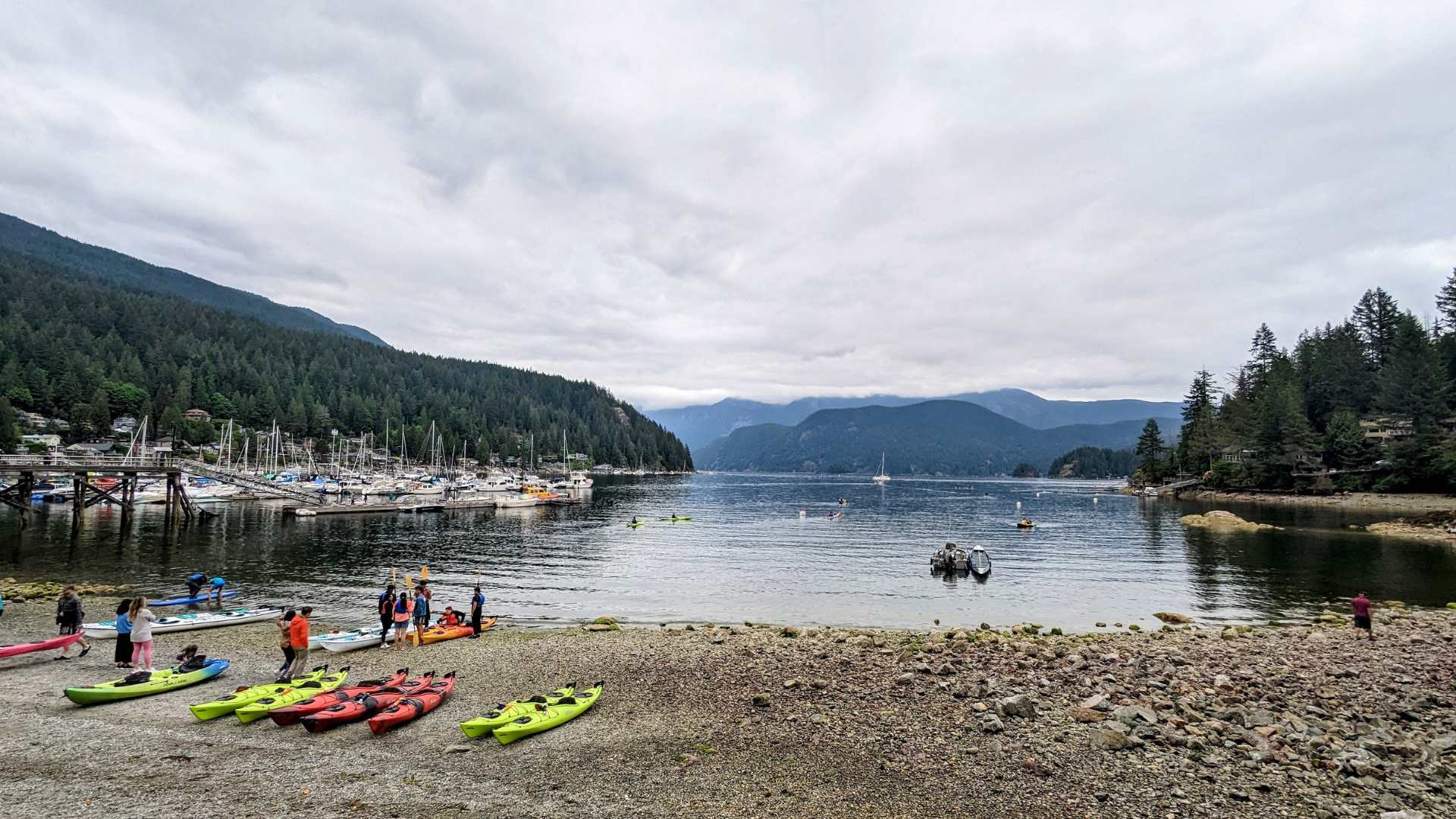
Deep Cove and kayaking go hand in hand. This small waterfront village sits at the mouth of Indian Arm, a long, narrow fjord that runs north between forested mountain walls. The cove itself is well protected, which makes it a friendly place for first-time paddlers to practise strokes, while stronger paddlers can head up the arm into quiet wilderness within minutes of leaving the marina.
The waterfront Deep Cove Kayak Centre rents kayaks, canoes and paddleboards and runs lessons and tours. Its rental house operates full time from April to October, with more limited service through the rest of the year, and booking ahead is smart on summer weekends. You can check current details on the Deep Cove Kayak Centre website.
A classic outing for confident beginners is the paddle across the arm toward Jug Island, a little under three kilometres from Deep Cove, where you can circle the island and look back at the mountains. Longer trips continue north past waterfalls such as Silver Falls toward the head of the inlet, where the 50 metre Granite Falls drops into Indian Arm Provincial Park (Say Nuth Khaw Yum). The west shore is bordered by Mount Seymour Provincial Park, so the scenery is rugged and largely undeveloped. Twin Islands and other sites along the arm are popular with paddlers planning overnight trips.
Weather matters here. Afternoon winds can build on Indian Arm, and the crossing to Belcarra puts you in open water, so beginners should stay close to shore or paddle with a guide. Parking in the village is limited on sunny weekends, and transit is often the easier option.
Cates Park (Whey-Ah-Wichen), North Vancouver
Just west of Deep Cove, Cates Park is known in the Tsleil-Waututh language as Whey-Ah-Wichen, meaning facing the wind. It is a beautiful place to combine a paddle with a walk past totem poles and shoreline viewpoints. Kayak rentals are available through the Cates Park Paddling Centre, which Deep Cove Kayak Centre manages in partnership with Takaya Tours, a Tsleil-Waututh owned tourism company that also offers guided canoe tours. From here you can follow the shoreline or cross toward Deep Cove and the mouth of Indian Arm.
Rocky Point Park, Port Moody
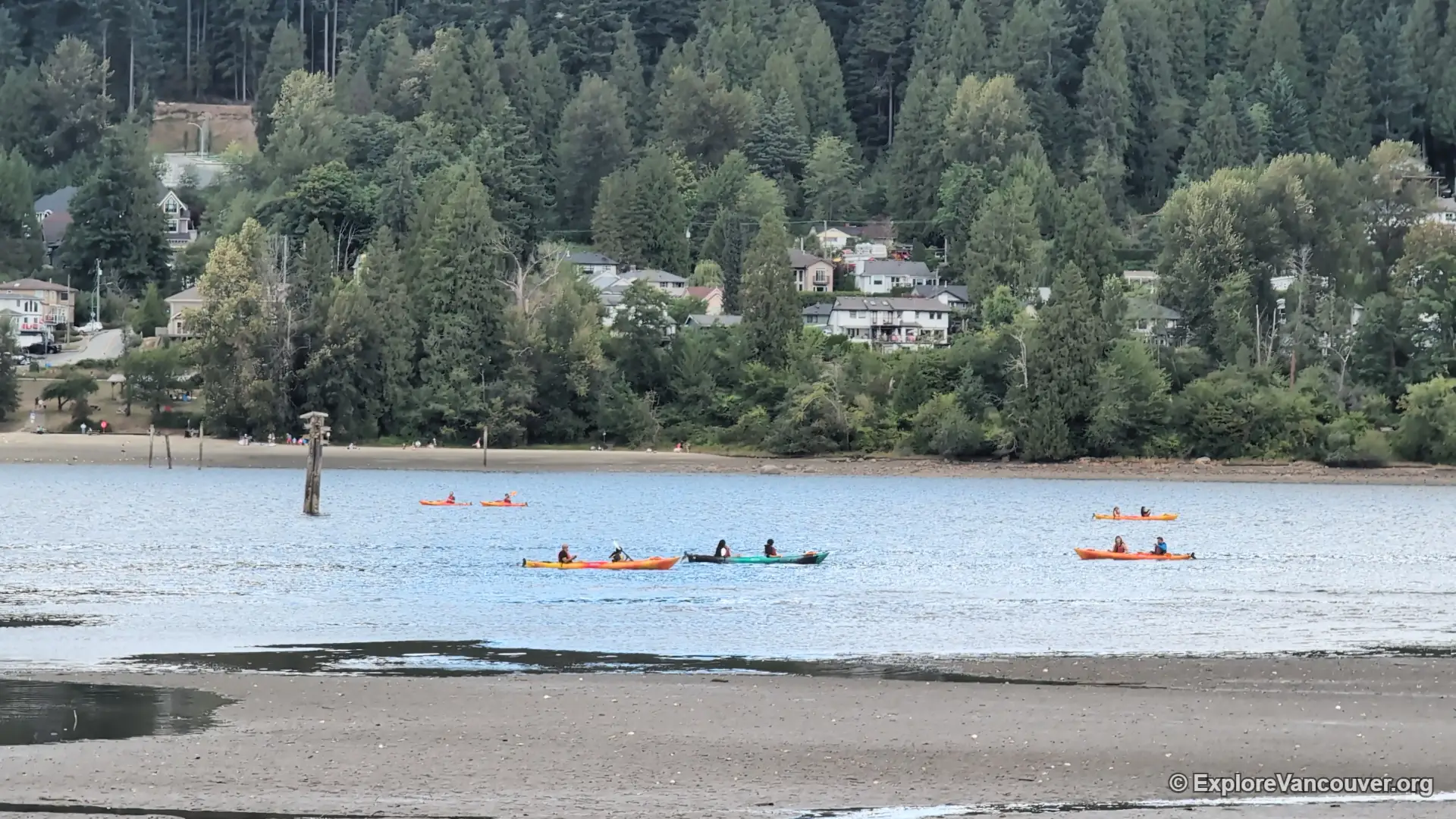
Port Moody sits at the quiet, eastern end of Burrard Inlet, and Rocky Point Park is the easiest place to get on the water. Rocky Point Kayak Rental operates from the park area with rentals, lessons and tours, so you can arrive with nothing but a swimsuit and a sense of adventure. The water here is more sheltered than many parts of the inlet, with far less motorized traffic, which makes it a favourite for beginners and families.
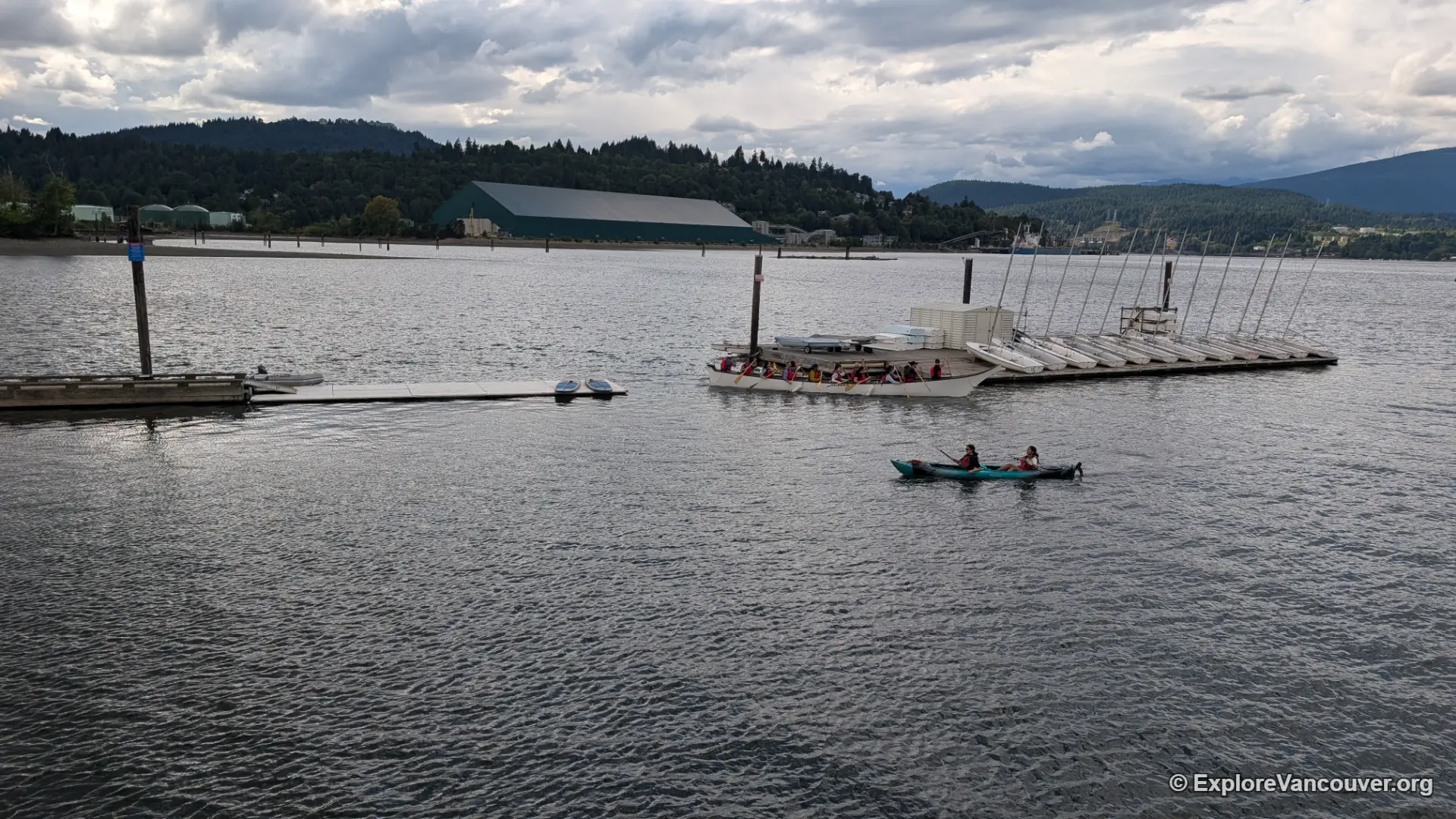
Look for harbour seals along the shoreline, and watch for herons and eagles overhead. Stronger paddlers can follow the north shore west toward Belcarra and, with the right conditions and experience, onward to Deep Cove and Indian Arm. For land-side context, see the Port Moody guide and the Rocky Point Recreational Pier page.
False Creek and Granville Island, Vancouver
For a paddle in the middle of the city, launch on False Creek. The water is protected, boat speeds are limited, and the views change with every stroke: Granville Island, the Olympic Village, Science World, BC Place, and the glass towers of Yaletown. Rentals and tours are available from operators on Granville Island, and there is another rental base at the Olympic Village. It is one of the most beginner-friendly places to kayak in Metro Vancouver, and it is easy to pair with lunch at the island market.
Keep an eye out for small ferries, paddleboards, dragon boats and other traffic, and stay clear of the shipping channels. Confident paddlers can head out toward Kitsilano and English Bay Beach for a broader view of the bay, but the open water is more exposed to wind and swell.
Jericho Beach and Spanish Banks, Vancouver
Jericho Beach, west of Kitsilano, is a classic launch point for sea kayaks. From the sand you can paddle across the shallow flats of Spanish Banks or follow the quieter shoreline toward the forested cliffs of Pacific Spirit Regional Park. Eagles circle overhead, herons fish along the shore, and the North Shore Mountains fill the horizon. At low tide the flats at Spanish Banks are wide and shallow, ideal for practising turns and balance, while afternoon breezes can make the bay choppy. Rental outlets operate here in the warmer months, and booking in advance is recommended. An evening paddle is also a great way to catch the sunset, and our guide to the best sunsets in Vancouver lists more viewpoints.
Bowen Island, a Ferry Ride from Horseshoe Bay
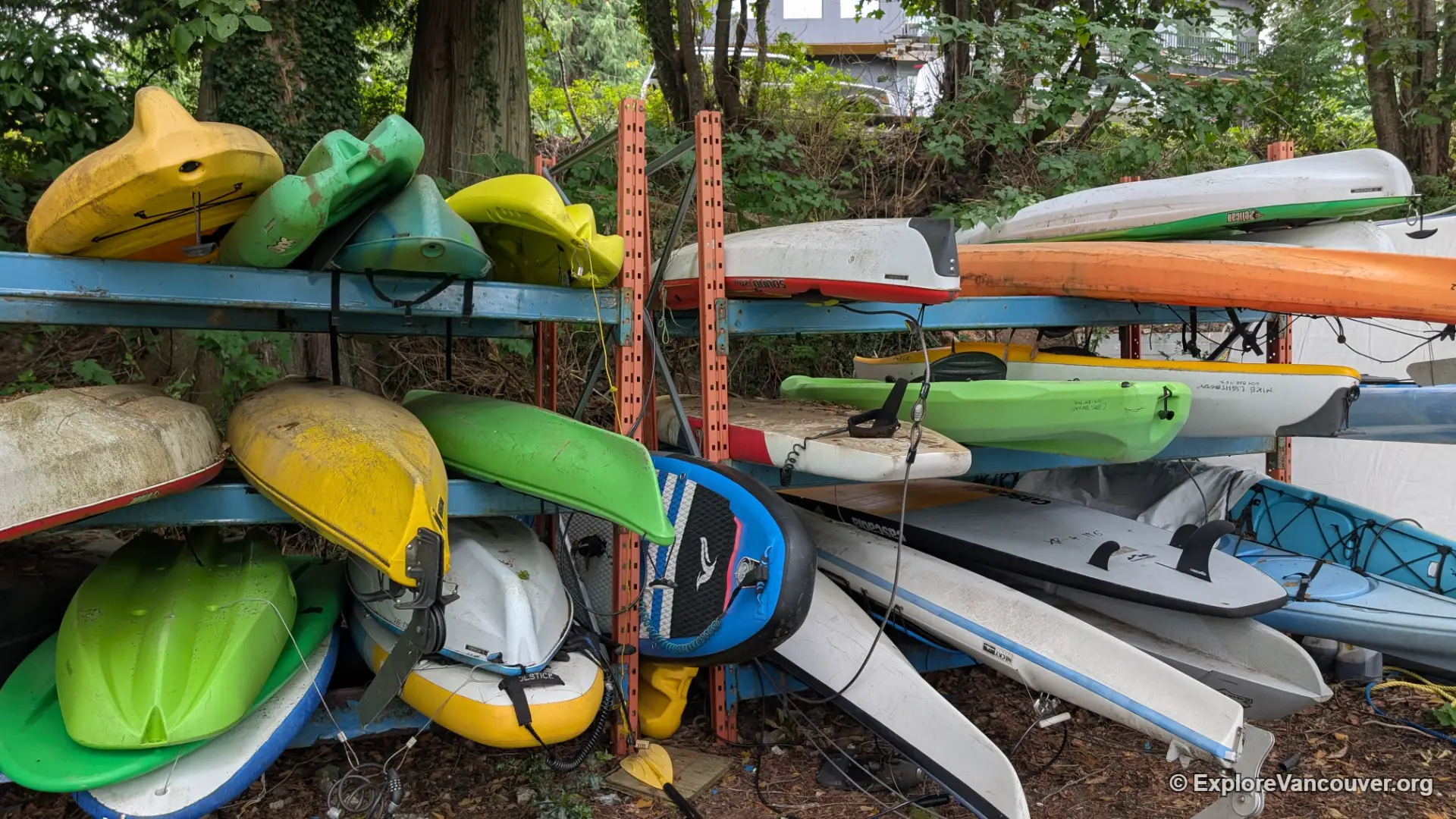
Bowen Island is not far from Metro Vancouver but feels like a different world, reached by a short ferry from Horseshoe Bay. Paddlers use the quiet bays around Snug Cove, and Sandy Beach is a scenic spot with kayaks stored on a community boat rack nearby. The Bowen Island Marina area is a convenient starting point for exploring the shoreline. Because you are in open coastal waters, check the marine forecast and tides before you go. For more ideas on the island, read our guide to the best things to do on Bowen Island, or visit the Bowen Island hub.
Deer Lake, Burnaby
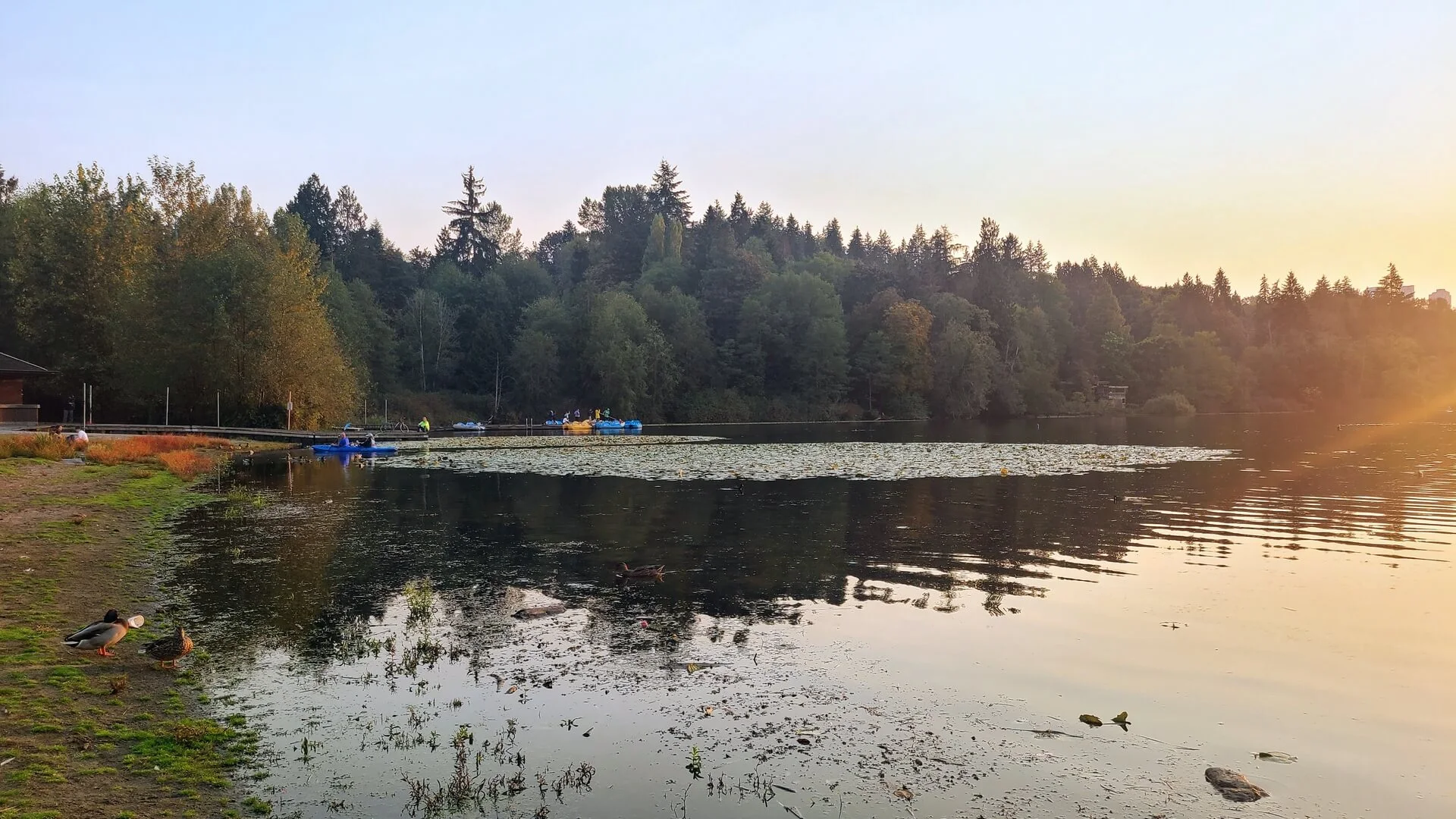
If you want the calmest water around, Deer Lake Park in Burnaby is hard to beat. This small lake is tucked in the middle of the city, ringed by forest and wetlands, with no motorboat traffic. Rentals are available at the east end of the lake, including kayaks, canoes and pedal boats, which makes it a top choice for families and nervous beginners. Keep an eye on the shallows for Western painted turtles and a variety of waterfowl. When you finish, the park’s trails, gardens and cultural sites are all nearby.
Burnaby Lake and Sasamat Lake
Burnaby Lake Regional Park is a large, wildlife-rich lake with wide wetland margins, a favourite with birdwatchers and home to a local canoe and kayak club. Sasamat Lake in Belcarra, with its White Pine Beach, is one of the warmest lakes in the region and a lovely spot for a relaxed paddle or a swim on a hot day. Parking at Sasamat is limited, so many visitors arrive by seasonal bus service. Check the Metro Vancouver parks pages for current access rules and services before you go.
Buntzen Lake, Anmore
A mountain reservoir with forested slopes on every side, Buntzen Lake is about five kilometres long and a favourite for calm-water paddling. Motorboats are not allowed, and on-site kayak and paddleboard rentals make it easy to visit without your own gear. The lake was created to supply Vancouver’s first hydroelectric power, and the trail around the shoreline gives you a second perspective when you finish paddling. Buntzen is extremely popular in summer, so plan ahead, arrive early and confirm current access requirements with Metro Vancouver.
Alouette Lake, Golden Ears Park in Maple Ridge
Alouette Lake is the largest lake on this list and one of the most scenic. Set in Golden Ears Provincial Park, it is ringed by peaks of the Coast Mountains, with a broad sandy day-use area and rentals for canoes and kayaks. The lake is big and cold, so wear a lifejacket and dress for the water, not just the weather. It is a good choice if you want a full day on the water, and it pairs well with a picnic or camping trip. See the BC Parks canoeing and kayaking page for park information.
Pitt Lake and Widgeon Creek
For a wilder tidal paddle, Pitt Lake and the Widgeon Creek area offer sloughs, wetlands and mountain views. This is a tidal lake, so tides and currents strongly influence the conditions. Plan your trip to travel with the tide, start early because parking fills up, and treat this as a destination for paddlers with some experience.
Fraser River: Steveston and Fort Langley
The Fraser River is the region’s great working waterway, and paddling it is very different from a calm lake or inlet. Around Steveston Village, Garry Point Park and the Fisherman’s Wharf, the river is tidal, with strong currents, commercial boats and shifting sandbars. Upstream, Brae Island Regional Park and the Fort Langley area offer lovely riverside scenery and mountain views. Because of the current and river levels, which can run high in late spring and early summer, these routes are best for experienced paddlers or guided groups. If you are new to kayaking, start on a lake or a protected inlet first.
For a gentler look at the Fraser delta, the Iona Beach Regional Park shoreline and the Steveston waterfront are excellent places to watch boats and birds from land.
What You Can See While Kayaking in Metro Vancouver
- Harbour seals resting on rocks and shoreline, especially around Port Moody, Indian Arm and Jericho Beach
- Bald eagles, great blue herons and a wide range of shorebirds and waterfowl
- Sea stars, jellyfish and other marine life visible in clear, shallow water near shore
- Waterfalls and forested cliffs along Indian Arm, including Silver Falls and Granite Falls
- The Vancouver skyline, Science World, BC Place and Granville Island from False Creek
- The North Shore Mountains from Jericho Beach, Spanish Banks and Burrard Inlet
- Western painted turtles in the shallows at Deer Lake
- Working harbour scenes, from cargo ships in Burrard Inlet to fishing boats at Steveston
Best Time to Kayak in Metro Vancouver
The prime kayaking season runs from late spring through early fall, roughly May to September, when the weather is mild and rentals are open full time. Many operators, including Deep Cove Kayak Centre, run their busiest schedules from April to October and reduce service outside those months.
Summer
July and August offer the warmest weather, the longest days and the highest demand. Expect crowds at Deep Cove, Granville Island, Buntzen Lake and Sasamat Lake, so book rentals in advance and arrive early. Lakes warm up well enough for swim stops, while ocean water stays cool.
Spring and early summer
May and June are quieter and often bring crisp mountain views with lingering snow on the peaks. Lakes and rivers may be higher and colder, and the Fraser River often runs strong in this period.
Early fall
September and early October can be some of the best paddling of the year. Crowds thin, the water is often calm, and the autumn light over the mountains is spectacular. Rental hours may begin to shrink, so check ahead. For seasonal ideas beyond kayaking, see our fall in Vancouver guide.
Winter
Paddling continues through winter for experienced kayakers with proper cold-water gear, and some guided tours run year round. For most visitors, however, the cold water, short daylight and limited rentals make winter a poor time to start. For a broader look at the seasons, read our best time to visit Vancouver guide.
Time of day, tides and wind
Mornings are usually the calmest, with glassy water and light wind. Winds often build in the afternoon on open water such as Indian Arm, English Bay and Burrard Inlet, so plan longer crossings for early in the day. Check the tide tables before paddling coastal routes, because tides affect currents, shallow flats at Spanish Banks and the tidal waters of the Fraser River and Pitt Lake. Always check the marine forecast from Environment Canada before you go.
Kayak Launch Points in Metro Vancouver
These are the most convenient places to launch or start a rental paddle. Always follow signs and park rules, and use designated access points.
- Deep Cove waterfront and Cates Park, North Vancouver: saltwater launches for Indian Arm and the northern shore of Burrard Inlet
- Rocky Point Park, Port Moody: sheltered launch at the eastern end of Burrard Inlet
- Granville Island and the Olympic Village, Vancouver: launches into False Creek
- Jericho Beach, Vancouver: sandy beach launch onto Spanish Banks and English Bay
- Deer Lake Park, Burnaby: beach launch and rentals at the east end
- Buntzen Lake, Anmore: beach and small boat launch with on-site rentals
- Alouette Lake day-use area, Maple Ridge: broad beach and boat rentals
- Snug Cove and Sandy Beach, Bowen Island: coastal launches after a ferry ride
Kayak Safety and Etiquette
- Wear a lifejacket or personal flotation device, and carry the safety equipment required by Transport Canada for your type of boat.
- Water in Metro Vancouver stays cold even in summer. Dress for the water, not the air, and avoid cotton.
- Stay well clear of ships, tugs and ferries, and never cross a shipping channel without knowing the rules.
- Check tide, current and wind forecasts, and tell someone your route and return time.
- Keep a respectful distance from seals, eagles and nesting birds, and never feed wildlife.
- You are paddling in the traditional territories of Coast Salish peoples, including the Musqueam, Squamish and Tsleil-Waututh Nations. Treat the shoreline with care.
What to Bring on a Kayaking Trip
- Quick-drying clothing, a light layer and a change of clothes for afterward
- Sun protection: hat, sunglasses with a strap, and reef-safe sunscreen
- Water, snacks and a dry bag for your phone, keys and wallet
- Water shoes or sandals that you do not mind getting wet
- A whistle, a spare paddle for longer trips, and a charged phone in a waterproof pouch
Rental operators, hours, pricing, parking rules and park access requirements change often, so confirm current details on each official website before you travel.
More Ways to Explore Metro Vancouver
Once you are off the water, there is plenty more to see. Browse our guides to Richmond, North Vancouver, Burnaby and Port Moody, or plan a longer outing with our list of things to do on Bowen Island.
Frequently Asked Questions About Kayaking in Metro Vancouver
Where is the best place to kayak in Metro Vancouver for beginners?
False Creek and Granville Island, Deer Lake in Burnaby and the sheltered bay at Deep Cove are the best places for beginners. All three offer calm water and nearby rentals, and Rocky Point Park in Port Moody is another gentle option.
Can I rent a kayak in Metro Vancouver?
Yes. Rentals are available at Deep Cove, Cates Park, Rocky Point Park in Port Moody, Granville Island, the Olympic Village, Jericho Beach, Deer Lake, Buntzen Lake and Alouette Lake. Book ahead for summer weekends and confirm current hours with each operator.
When is the best time to kayak in Metro Vancouver?
The best time is from late spring to early fall, roughly May to September. Mornings are usually the calmest, and afternoon winds can build on open water such as Indian Arm and English Bay.
Do I need a licence or experience to kayak in Metro Vancouver?
You do not need a licence to paddle a kayak, and most rental shops provide basic instruction. Beginners should choose calm, sheltered water, wear a lifejacket and consider a guided tour or lesson for open water and tidal areas.
Can you kayak in Metro Vancouver in winter?
Yes, experienced paddlers with proper cold-water gear can paddle through winter, and some guided tours run year round. Cold water, short daylight and reduced rental hours make winter a poor time for first-timers.
Is Indian Arm safe for beginner kayakers?
The protected bay at Deep Cove is a good place for beginners to practise. Crossing Indian Arm and paddling farther up the inlet involves open water, wind and boat traffic, so stay near shore or go with a guide unless you have experience.
Where can I see seals while kayaking near Vancouver?
Harbour seals are commonly seen around Port Moody, Indian Arm and the shoreline near Jericho Beach. Keep a respectful distance and never approach resting animals.
Ready to paddle? Pick a launch point from the list above, check the tide and wind, and head out early for the calmest water. Whether you choose a quiet lake, a sheltered inlet or a wilderness fjord, Metro Vancouver has a kayak route that fits your skill level.