
Quick Info
- Top pick: Boundary Bay Regional Park, Delta
- Best season: Fall through spring for migratory species and raptors, year round for resident waterfowl
- Best time of day: Early morning or the hour before sunset
- Difficulty: Mostly flat dyke and park trails, suitable for most visitors
- What to bring: Binoculars, a field guide or app, and layered clothing for coastal wind
- Cost: Most locations are free, some sanctuaries charge admission, check Metro Vancouver Regional Parks or the individual site for current details
Metro Vancouver sits on the Pacific Flyway, one of the busiest bird migration routes in North America, and the region’s mix of tidal flats, river estuary, marsh, and forest supports an unusually wide range of species within a short drive of the city. Some spots are known internationally among birders, others are quiet neighbourhood parks that happen to sit along a good flight path. Below is a ranked list of the best places to go in both Vancouver and the wider Metro Vancouver area, starting with the most productive sites for serious birding and moving toward easier, more casual options.
1. Boundary Bay Regional Park, Delta
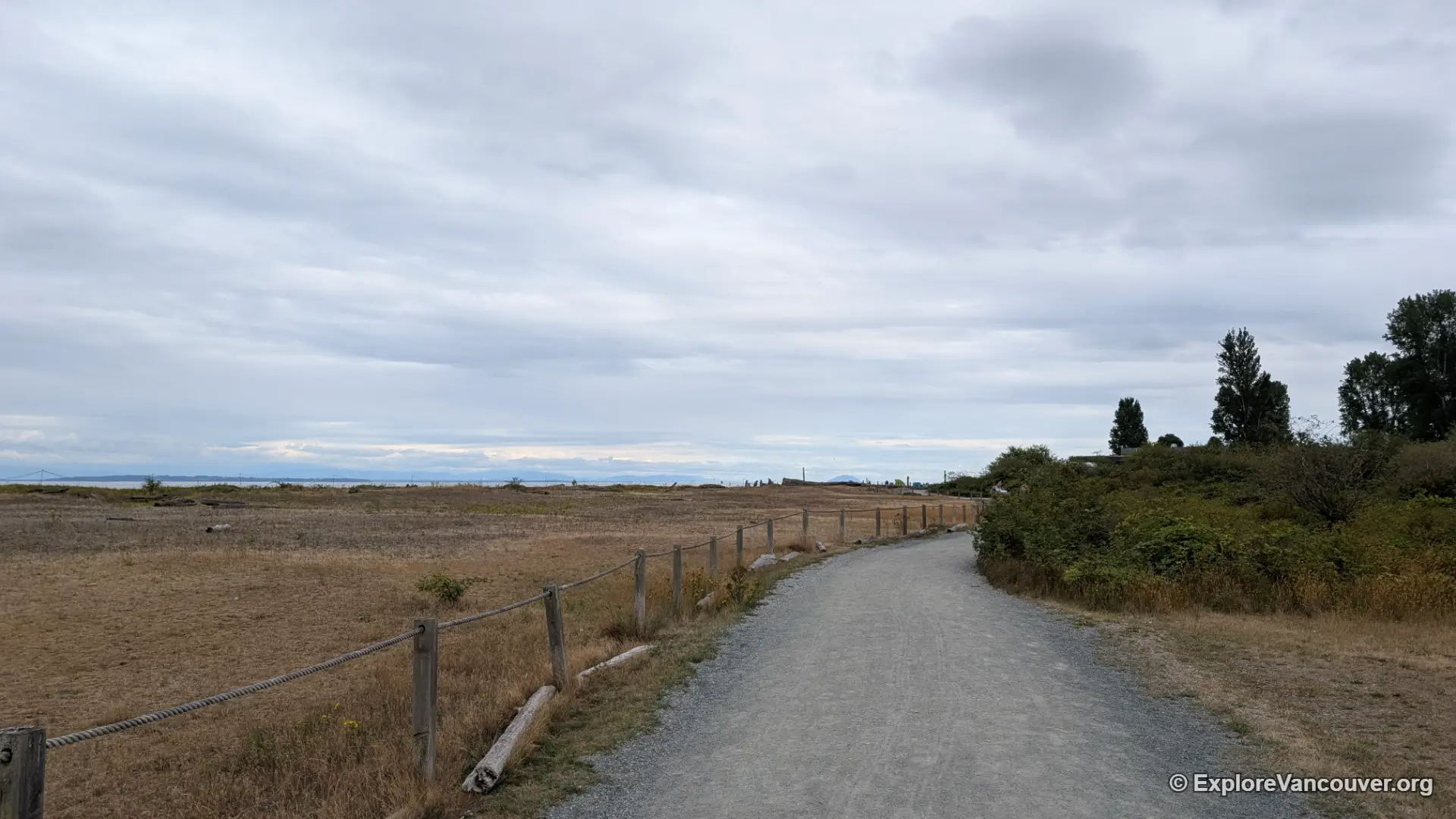
Boundary Bay is widely considered the top birding destination in the region. A 20 kilometre dyke trail runs along the edge of the bay, and the tidal flats below draw large numbers of shorebirds and waterfowl through the year. The dyke is also one of the most reliable places in Canada to spot raptors, including bald eagles, northern harriers, and short eared owls hunting over the fields, and in some winters snowy owls arrive from the Arctic and draw birders from well outside the region. Access points at 64th, 72nd, and 104th Streets each give a different stretch of the trail. This is a Metro Vancouver Regional Park.
Read more: Boundary Bay Regional Park
2. George C. Reifel Migratory Bird Sanctuary, Delta
A short drive from Boundary Bay on Westham Island, the Reifel Sanctuary is a managed wetland reserve with dykes, viewing blinds, and an observation tower overlooking the marsh. It is one of the most established bird sanctuaries in Canada, with a long species list that includes sandhill cranes and large numbers of migrating waterfowl. Unlike the regional parks on this list, Reifel is run by the British Columbia Waterfowl Society and charges an entrance fee. Check the official Reifel Bird Sanctuary site for current hours, admission, and reservation requirements before visiting.
3. Iona Beach Regional Park, Richmond
Iona Beach sits where the Fraser River meets the Salish Sea, and the mix of mudflats, marsh, and open water draws shorebirds and waterfowl for much of the year. The Iona Jetty Trail runs straight out into the water and gives long, open sightlines, which makes it easier to spot birds at a distance without disturbing them. This is one of the more reliable spots in the region for migratory shorebirds during spring and fall, and it is a Metro Vancouver Regional Park.
Read more: Iona Beach Regional Park
4. Minnekhada Regional Park, Coquitlam
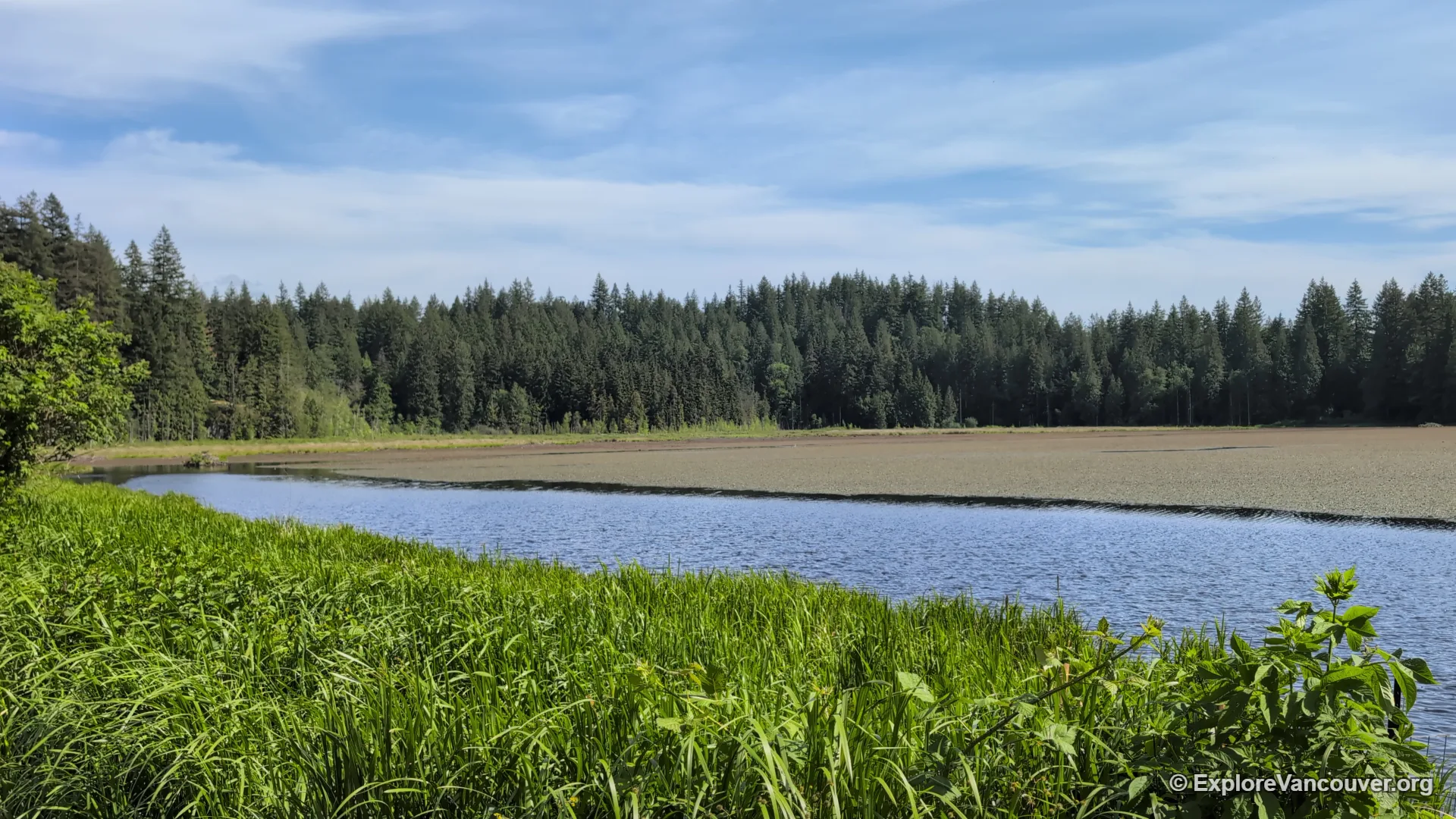
Minnekhada combines forest, rock knolls, and a large marsh alongside the Pitt River, with around 150 recorded bird species in the park and surrounding area. The Low Knoll lookout gives a wide view over the lower marsh and is one of the better spots to see herons and waterfowl, while the trails through the forest are good for songbirds. Watch for hawks and owls along the more open sections near the lodge. This is a Metro Vancouver Regional Park.
Read more: Minnekhada Regional Park
5. Colony Farm Regional Park, Coquitlam
Just south of Minnekhada, Colony Farm covers open grassland, waterways, and marsh, and has one of the longer species lists in the region, with close to 200 recorded species. Nesting great blue herons, ospreys hunting over the water, and wintering waterfowl are all regular sightings, and the flat, wide trails make it an easy walk. This is a Metro Vancouver Regional Park.
6. Brae Island Regional Park, Fort Langley
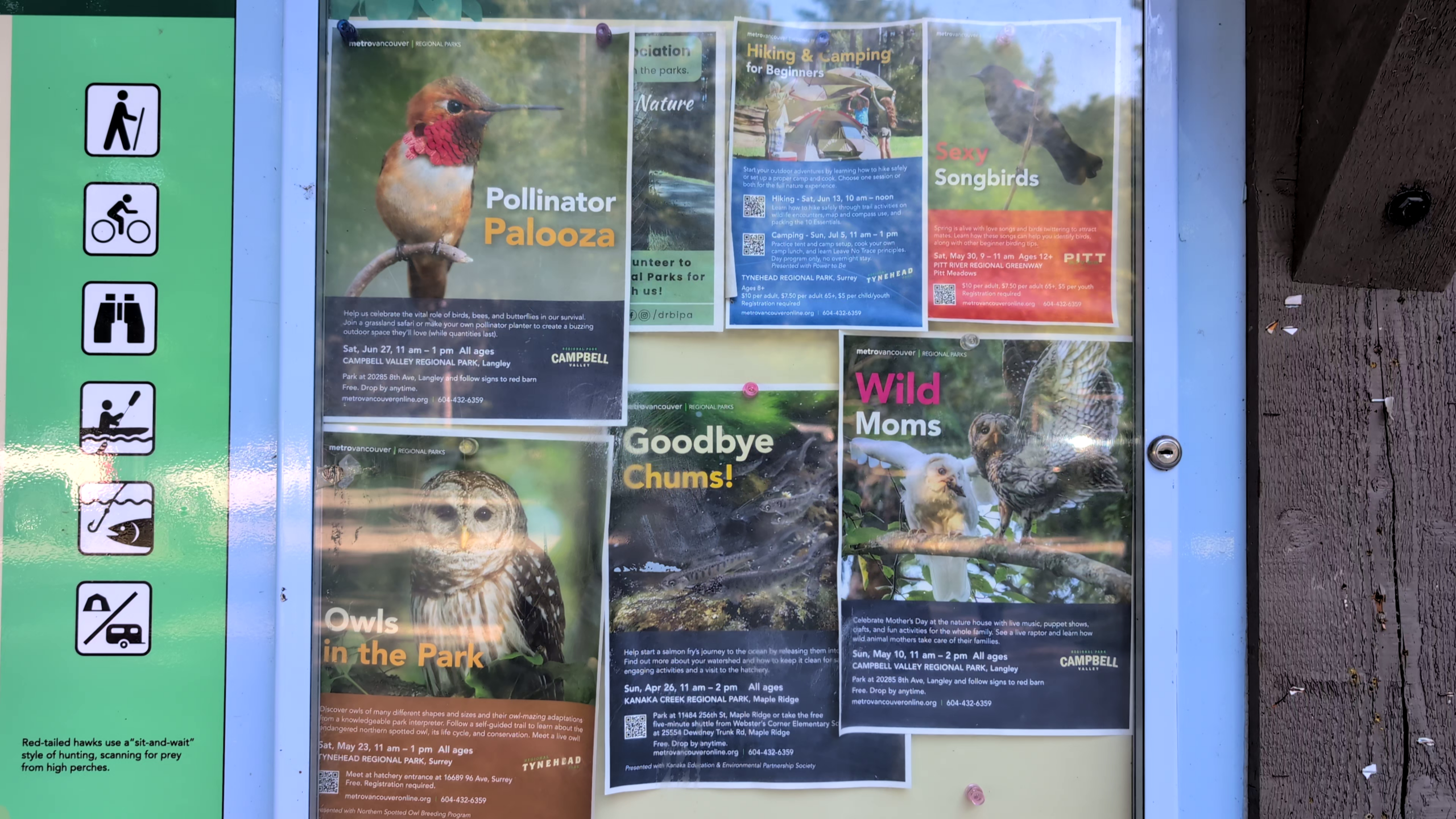
Brae Island sits along the Fraser River and combines farmland, forest, and river edge habitat. A posted sighting board at the park lists species that visitors have recently spotted, which is a helpful way to know what to look for on a given day. The mix of open field and riverside trail makes it a good stop for both waterfowl and songbirds. This is a Metro Vancouver Regional Park.
Read more: Brae Island Regional Park
7. Stanley Park, Vancouver
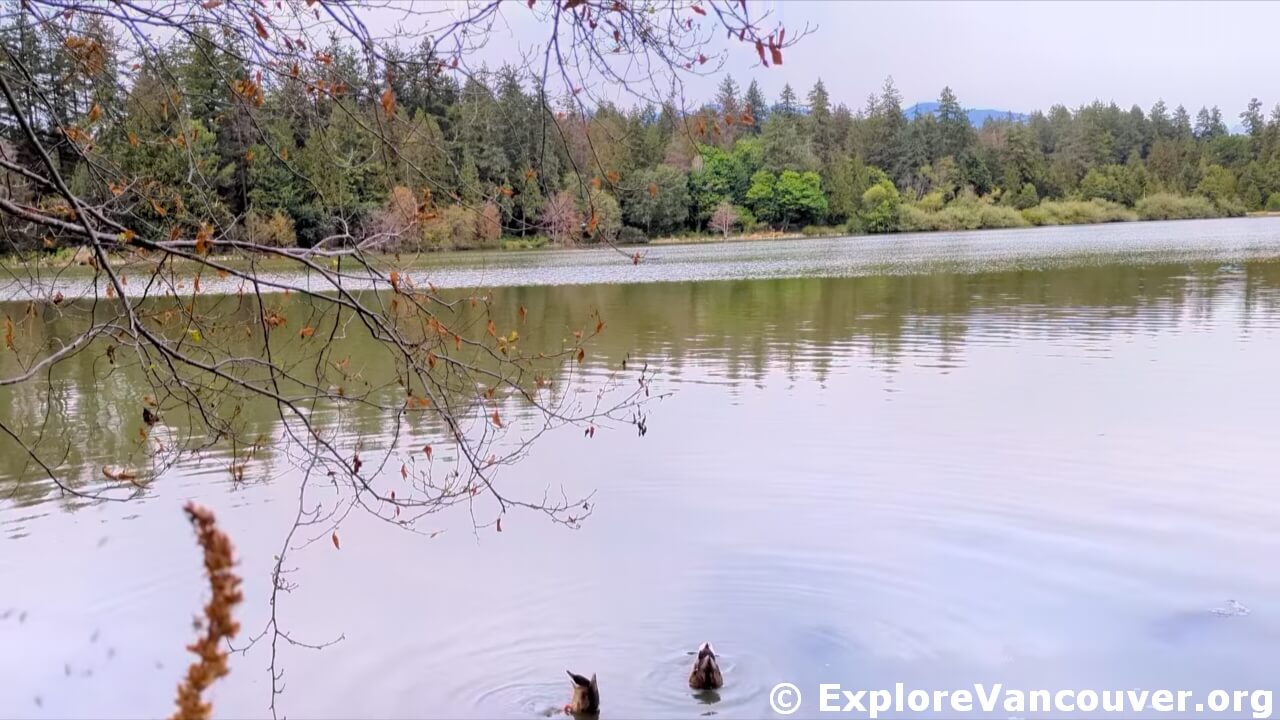
Stanley Park is better known for its seawall and forest, but Lost Lagoon at the park’s entrance is a long standing birding spot, home to resident waterfowl and a regular stop for herons. The park’s mix of forest, shoreline, and freshwater habitat supports a wide variety of songbirds as well, making it a convenient option if you are already downtown.
Read more: Stanley Park
8. Maplewood Flats Conservation Area, North Vancouver
On the North Shore waterfront, Maplewood Flats is a smaller conservation area with tidal mudflats, forest, and a network of short trails. It has a long running local birding program and a species list built up over decades of regular observation, and it is a quieter alternative to the bigger sites in Delta and Richmond.
9. Serpentine Fen Nature Reserve, Surrey
Serpentine Fen sits within Blackie Spit and Elgin Heritage Park in south Surrey, where freshwater wetland meets the tidal flats of Mud Bay. It is known for herons, raptors, and wintering waterfowl, and connects to the wider Boundary Bay area, so a visit here pairs well with a trip to the Boundary Bay dyke.
10. Como Lake Park, Coquitlam
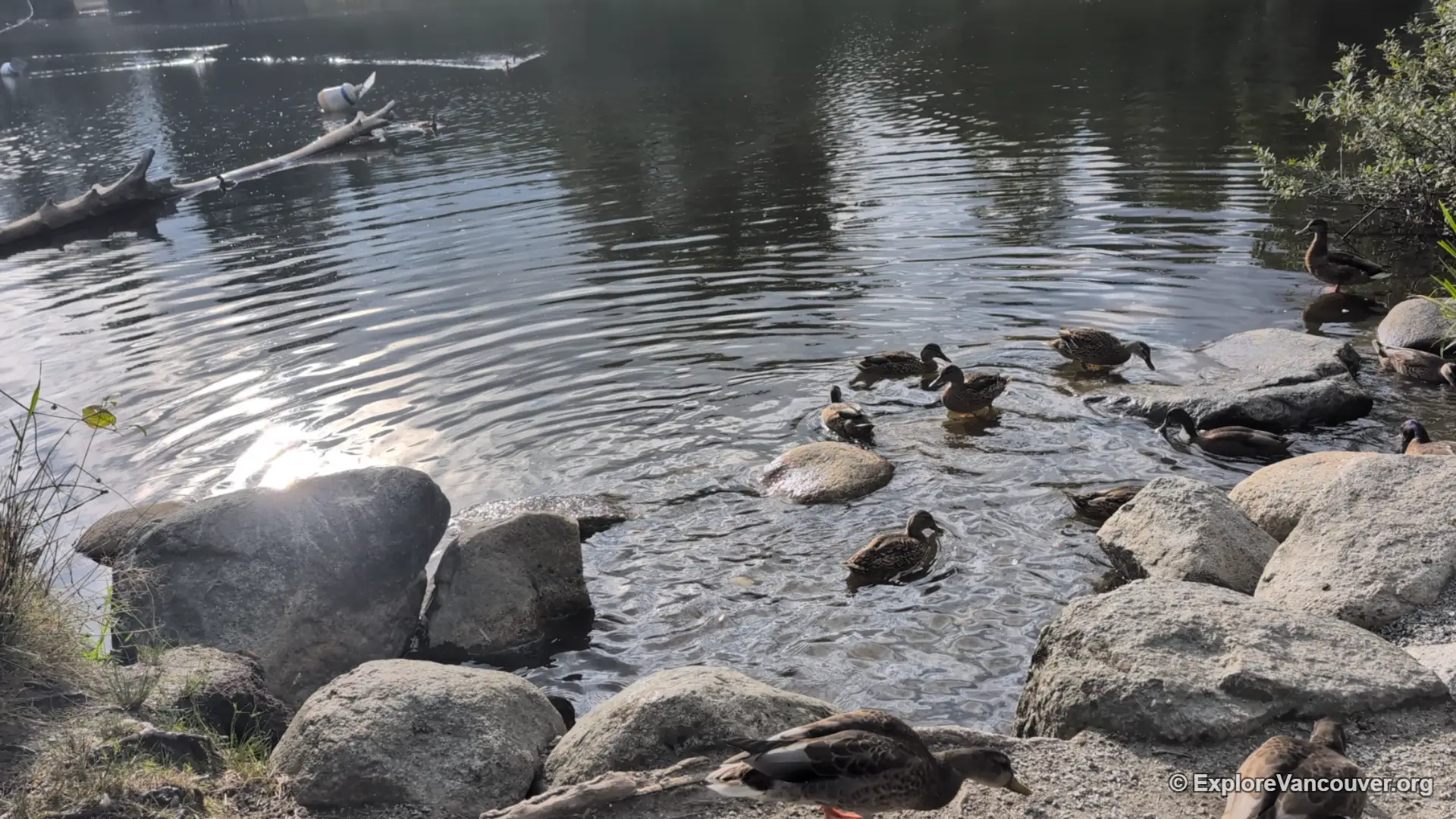
Como Lake is a smaller, more urban option, with a paved loop trail around the lake and a resident population of ducks and other waterfowl. A display board near the lake highlights species commonly seen there. It is a good choice if you want an easy, short walk rather than a longer regional park trail.
Read more: Como Lake Park
11. Deer Lake Park, Burnaby
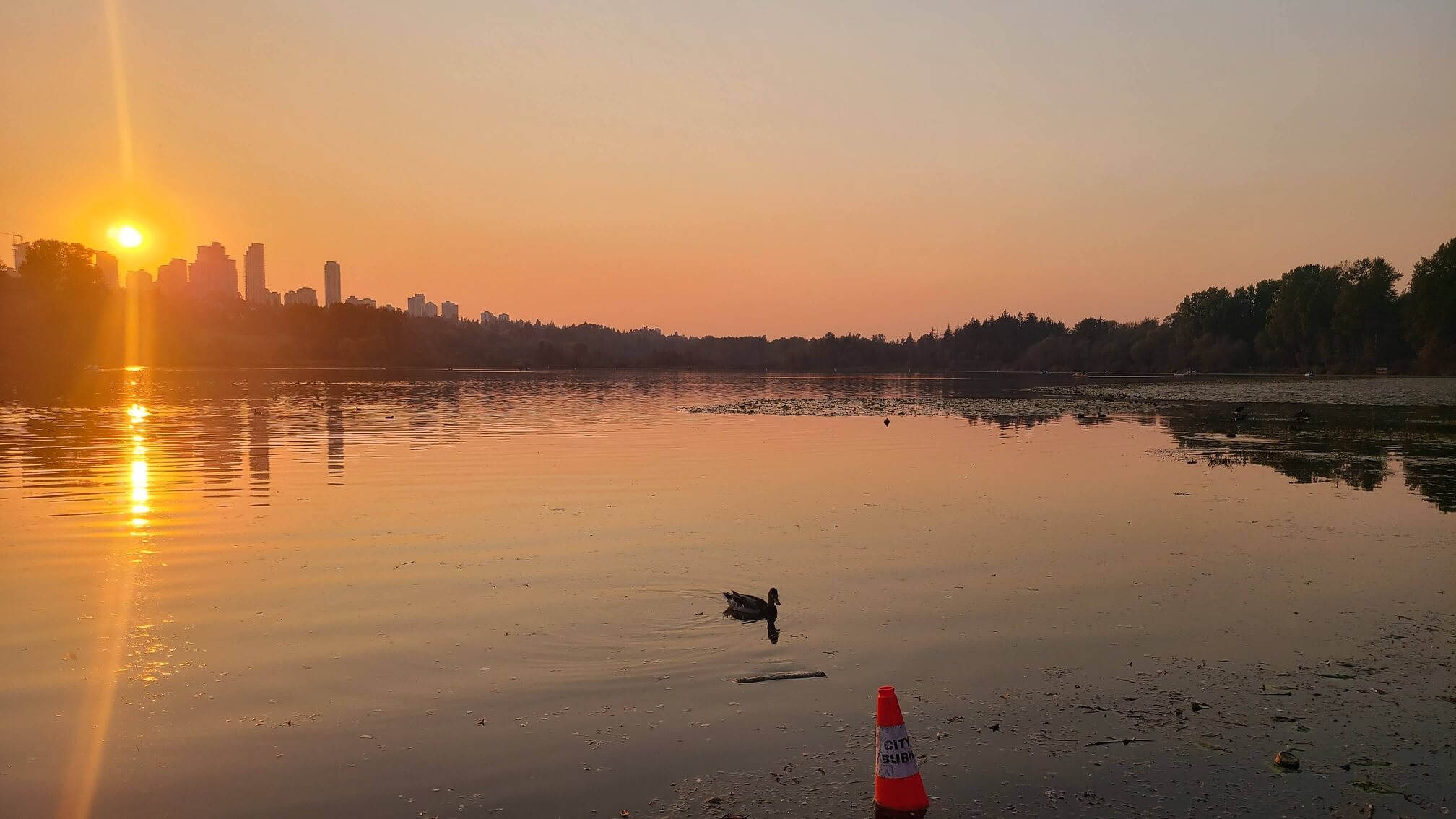
Deer Lake combines a lake, wetland edges, and surrounding parkland, and is a reliable spot for great blue herons along with common waterfowl. It is close to Burnaby’s town centre, which makes it an easy add on to a day that includes other Burnaby attractions.
Read more: Deer Lake Park

12. Jericho Beach, Vancouver
Jericho Beach’s marsh and shoreline attract shorebirds and waterfowl within view of the downtown skyline. It is one of the more accessible spots on this list if you are staying on the west side of Vancouver and want a short outing rather than a dedicated trip.
Metro Vancouver Regional Parks for bird watching
Several of the locations above are managed specifically as Metro Vancouver Regional Parks, which means they follow the same trail standards, signage, and conservation approach across the system. If you want to focus on this network specifically, the strongest options, in order, are Boundary Bay Regional Park, Iona Beach Regional Park, Minnekhada Regional Park, Colony Farm Regional Park, and Brae Island Regional Park. All five sit within the Fraser River estuary or its tributaries, which is why they consistently draw large numbers of birds during migration.
Tips for bird watching in Metro Vancouver
- Go early in the morning or in the last hour before sunset, when birds are most active and trails are quieter
- Move slowly and keep noise down, especially near marsh and shoreline areas
- Stay on marked trails and dykes to avoid disturbing nesting or feeding areas
- Bring binoculars, since many birds, especially raptors and shorebirds, stay well back from the trail
- Check a regional bird sighting app or the posted display boards at each park before you go
- Pair a Delta trip by visiting Boundary Bay and the Reifel Sanctuary in the same outing, since they are close together
Frequently Asked Questions
What is the best bird watching spot in Metro Vancouver?
Boundary Bay Regional Park in Delta is generally considered the top spot, thanks to its long dyke trail, tidal flats, and reliable raptor sightings, including snowy owls in some winters.
What is the best time of year for bird watching in Metro Vancouver?
Fall and spring are the strongest seasons for migratory species passing through on the Pacific Flyway. Winter is best for raptors and, in some years, snowy owls at Boundary Bay. Resident waterfowl, such as ducks at Como Lake, can be seen year round.
Do I need special equipment to go bird watching?
No special gear is required. A pair of binoculars and a field guide or bird identification app make it easier to spot and identify species, but the trails at most of these parks are accessible without any equipment.
Which spots are free to visit?
Most locations on this list, including Boundary Bay, Iona Beach, Minnekhada, Colony Farm, and Brae Island, are free Metro Vancouver Regional Parks. The George C. Reifel Migratory Bird Sanctuary is privately managed and charges an entrance fee.
Which park is best for beginners?
Como Lake Park is the easiest starting point, with a short, flat, paved loop and a resident duck population that makes sightings likely on almost any visit.
Planning a bird watching trip around Metro Vancouver? Check out our guides to Boundary Bay Regional Park, Iona Beach Regional Park, and Minnekhada Regional Park for more on what to see at each location.